XABCD TRADING
5 Steps to Improving Your Day Trading Risk Management
Subscribe
to get alerts to our next blog post!
Day Trading Risk Management Tips
Trying to figure out your day trading risk management plan? Well you're in the right place. You might be new to trading, or been doing this for a while but the fact your even considering learning about risk puts you far beyond most traders. Yes, these risk management techniques we use with our xabcd patterns. However you can use them with any strategy. Let's dive right on on these tips you can start using with your trading.
Understand Your Monthly Maximum Drawdown
Tip 1 Understand your maximum monthly drawdown in a percentage. Probably one of the most over looked area's for many. They might understand what their maximum is per trade but if they think of it at a monthly level, they might rethink things. For example, you might be able to risk 5% per trade, but if you took 10 losing trades in a row, that's 50% of your account. Are you going to be able to stomach that much risk in a month? Is losing 50% of your account going to cause you to change your game plan? Trade long enough and losing 10 trades in a row is not uncommon, so for something pretty normal like this to happen (although hopefully more rare) its totally possible that by risking to much your taking actions you shouldn't be in other area's of your trading.
Never Move Your Stops Further Away
Tip 2 Get into a habit of placing your stops with your entry orders. Once they are placed, you should never move them further away. The only directions the stops should go is to reduce your risk. If you have found in the past you have moved your stops further away then its a sign your not placing your stops in the right place to begin with and you should reconsider your approach. A stop should always be in a place your comfortable getting out. For instance, we trade XABCD Patterns and if a pattern was to fail and perhaps a level of support/resistance than I'm quite comfortable in taking that trade as a loss.
Knowing Your Risk VS Reward and Why It's Critical
Tip 3 If you're not sure what your risk vs reward is, then think of it this way. What is your average profitable trade and avg losing trade? This will basically give you your risk vs reward number. Example, if you make on average $100 a trade and your avg loss is around $50, then your risk vs reward is a 2:1. Meaning you're making twice as much as your losing. Just like if you made $100 and risked $100 your risk vs reward is a 1:1. What you don't want for many is an inverted risk vs reward where your avg loss is greater than your avg gain.
Manage Your Risk in Percentages and Not Dollar Signs
Tip 4 Using percentages will let you scale your account a lot easier while maintaining the same risk equations. Risking 1% will always being the same, but risking a fix dollar value is going to have to change with every trade as your stop will be different and not fixed. This is another critical point, your stops should never always be a fixed dollar amount as you want your stops in a position that makes sense to get stopped out. If you're going to get stopped out, you better get stopped out and learn something from it. This is why its important to have your stop in a critical position if you're going to want to gain from a losing trade.
Frequently Asked Questions
What is day trading risk management and why is it important?
Day trading risk management is the set of strategies and rules traders use to limit potential losses on each trade and protect their overall capital. It is essential because day trading involves rapid price movements and high leverage, meaning losses can accumulate quickly without disciplined controls in place.
What is the 1% rule in day trading?
The 1% rule states that a trader should never risk more than 1% of their total trading account on any single trade. This means if you have a $50,000 account, your maximum loss on one trade should be capped at $500, helping you survive losing streaks and stay in the market long term.
How do stop-loss orders help with day trading risk management?
Stop-loss orders automatically close a position when the price reaches a predetermined level, limiting the amount of money you can lose on a trade. They are one of the most fundamental day trading risk management tools because they remove emotion from exit decisions and prevent small losses from turning into catastrophic ones.
What is a good risk-to-reward ratio for day trading?
Most experienced day traders aim for a minimum risk-to-reward ratio of 1:2, meaning for every dollar risked, the potential profit target is at least two dollars. This ratio allows traders to remain profitable even if they win only 40-50% of their trades, as the gains on winning trades outweigh the losses.
How much of your portfolio should you risk per day when day trading?
Many professional day traders set a daily loss limit of 2-3% of their total account value to prevent emotional decision-making after a series of losses. Once that threshold is reached, they stop trading for the day, which preserves capital and provides time to reassess strategy before the next session.
Still have a question about this?Ask the XABCD team in Live Chat and get help with your setup.Ask in Live Chat →
New NinjaTrader Articles Delivered First
Free tutorials, fixes and setup guides by email. Two emails a month at most.
Free tutorials, fixes and setup guides by email. Two emails a month at most.
Recommended Tool
XABCD Position Tool
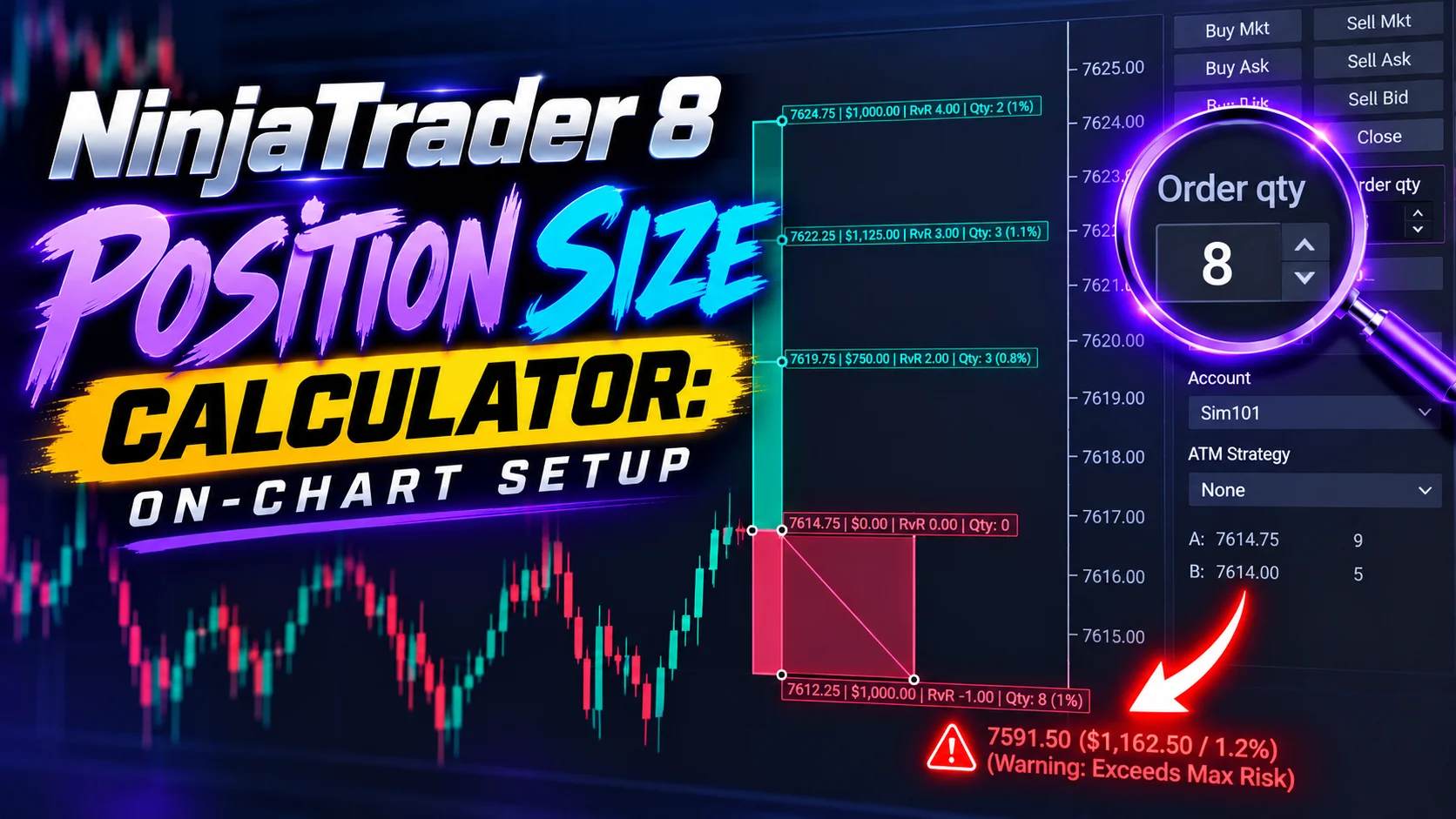
Plan, size and place your entire trade right on the NinjaTrader chart.
See the Position Tool →
Recommended Video
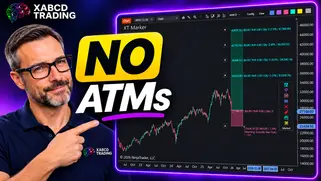
Ditch NinjaTrader ATMs: This Is More Powerful
See how to set your risk and calculate contracts directly on the chart.
Watch Now
Subscribe on YouTube
Related Tool
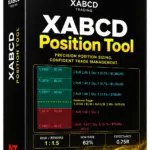
XABCD Position Tool
Plan, size and place your entire trade right on the NinjaTrader chart.
See the Position Tool
Why XABCD Trading
- Built for NinjaTrader 8 since 2009
- Trusted by 2,000+ traders
- On-chart tools, no ATM templates needed
- Free tools to get started
Get Project Updates
Twice-monthly maximum, we will give you updates on all the projects going here.
Quick Links