XABCD TRADING
Trading Checklist for Pattern Traders

Subscribe
to get alerts to our next blog post!
Daily Checklist for Pattern Traders
This is a trading checklist for XABCD Pattern Traders that they can use when they wake up and get started for the day. If you're new and want to learn more about the xabcd pattern strategy we have some videos you can watch on the topic. Of course, let's break down the tasks into micro details before a trade is executed:
Market Analysis Checklist
- Have a pre-market analysis checklist for economic news and overnight developments of new patterns. Specifically, set your "maxbarcount" in your xabcd pattern scanner to 15 so you can see some slightly older patterns that might still be valid - or to have a second attempt.
- Make sure you load up the XABCD News Pro indicator to review economic calendars for scheduled releases.
- Look for any xabcd patterns and support and resistance levels.
- Assess market sentiment through tools like sentiment indices or market breadth indicators.
- Consider correlations with related markets or assets.
We actually didn't publish this checklist for pattern traders video on our youtube channel, but if you have an interest in watching it then ask us on our live chat and we'll send you the unlisted link.
Review Open Positions Checklist
- Evaluate the performance of existing positions from the previous day. You might want to attach some ATMs to your positions. If you need some atm templates feel free to use ours and customize them as needed.
- Assess whether any targets were hit and if any positions need to be closed.
- Check for any news or events that may affect open positions.
- Calculate unrealized profits/losses and determine if adjustments are needed to manage risk.
Identify Trading Opportunities Checklist
- Scan for potential setups using a maxbarcount set to 3 for the most current xabcd patterns.
- Look for patterns that indicate a high probability trade which might line up with support or resistance. Make it part of your day trading routine.
- Consider factors such as trend direction, volatility, and volume or anything else you might look at that could effect how you weight your trades.
- Verify the alignment of multiple technical patterns or timeframes for confirmation.
- Review risk-reward ratios to ensure favorable trade conditions.
Execute Trades Checklist
- Determine the specific entry price, stop-loss level, and take-profit target for the trade.
- Calculate position size based on risk management rules and account size.
- Choose the appropriate order type (market, limit, stop) depending on market conditions.
- Double-check order details, including quantity and order type, before submitting.
- Monitor the order book for execution and confirm the trade is filled accurately.
- Review our XABCD Pattern checklist videos for more detailed checklist items.
By meticulously following these steps before executing a trade, traders can enhance their decision-making process and minimize risks.
Frequently Asked Questions
What should be included in a trading checklist?
A solid trading checklist should include a pre-market analysis of economic news and overnight developments, a review of open positions from the previous day, identification of new trading opportunities, and a detailed execution plan covering entry price, stop-loss, and take-profit targets. It should also incorporate risk management steps such as calculating position size based on account size and verifying risk-reward ratios before submitting any order.
How do I build a daily trading routine as a pattern trader?
Start each day by reviewing economic calendars for scheduled releases and assessing overnight market developments as part of your daily trading routine. Then evaluate any open positions, scan for new pattern setups using your preferred tools, and confirm trade alignment across multiple timeframes. Finally, determine specific entry, stop-loss, and take-profit levels before executing, and double-check all order details for accuracy.
Why is a pre-market analysis checklist important before trading?
A pre-market analysis checklist helps traders prepare for the day by identifying economic news events, overnight pattern developments, and key support and resistance levels before the market opens. It also allows traders to assess market sentiment and consider correlations with related assets, which can significantly improve decision-making and help minimize unexpected risks.
How does a trading checklist help with risk management?
A trading checklist enforces discipline by requiring traders to calculate position size based on risk management rules and account size before every trade. It also prompts traders to set specific stop-loss levels, review risk-reward ratios to ensure favorable conditions, and evaluate unrealized profits or losses on open positions so adjustments can be made proactively.
What should I check before executing a trade?
Before executing a trade, you should determine your specific entry price, stop-loss level, and take-profit target, then calculate your position size based on your risk management rules. Choose the appropriate order type—market, limit, or stop—depending on current conditions, and double-check all order details including quantity and order type before submitting. Monitoring the order book for accurate execution is also recommended.
Still have a question about this?Ask the XABCD team in Live Chat and get help with your setup.Ask in Live Chat →
New NinjaTrader Articles Delivered First
Free tutorials, fixes and setup guides by email. Two emails a month at most.
Free tutorials, fixes and setup guides by email. Two emails a month at most.
Recommended Tool
XABCD ATM Pack
23 free ATM strategy templates for NinjaTrader 8. Import them and start with your stops and targets already set up.
Get the Free ATM Pack →
Recommended Video
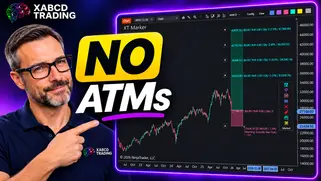
Ditch NinjaTrader ATMs: This Is More Powerful
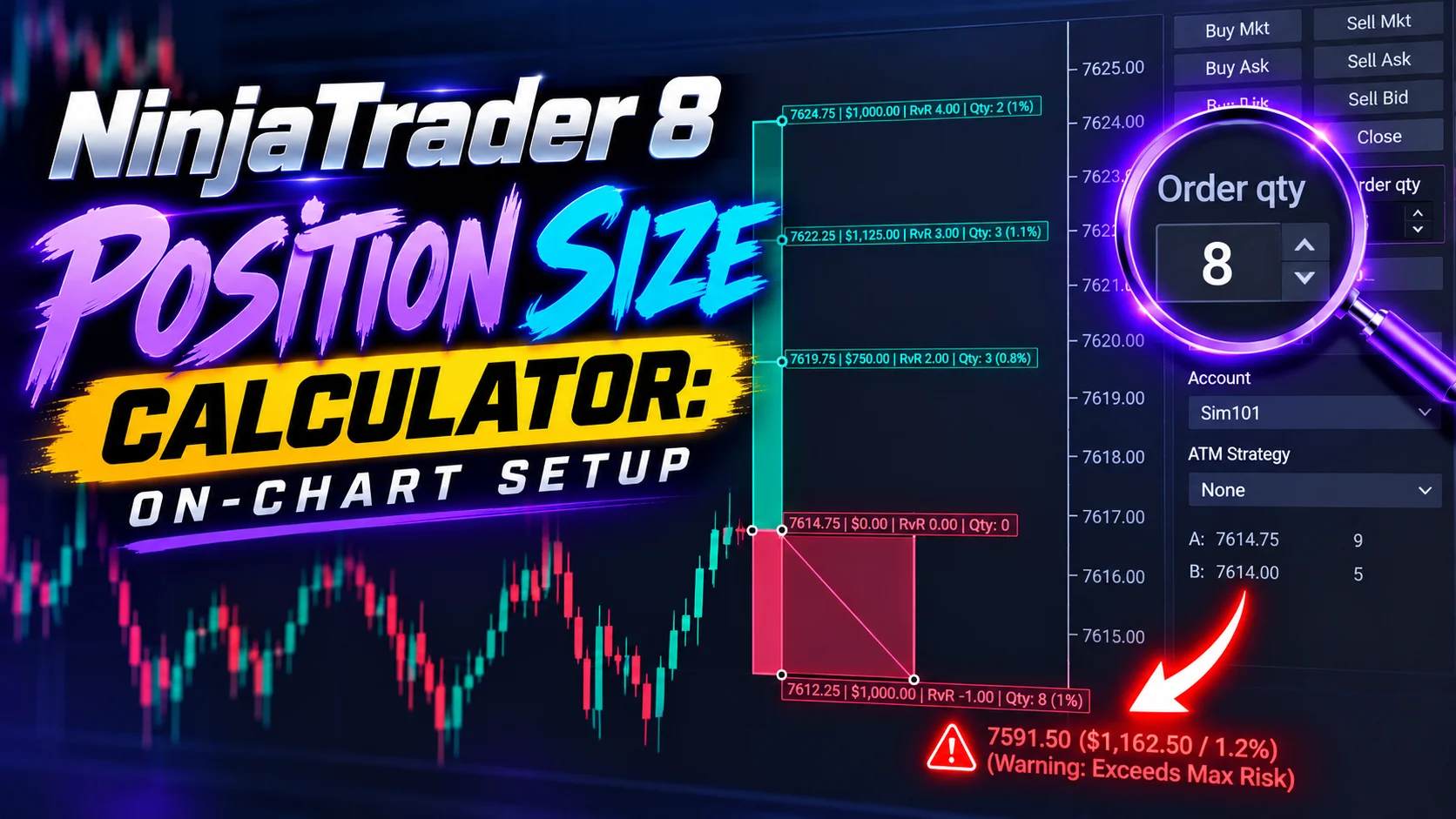
See how to set your risk and calculate contracts directly on the chart.
Watch Now
Subscribe on YouTube
Related Tool
XABCD ATM Pack
23 free ATM strategy templates for NinjaTrader 8. Import them and start with your stops and targets already set up.
Get the Free ATM Pack
Why XABCD Trading
- Built for NinjaTrader 8 since 2009
- Trusted by 2,000+ traders
- On-chart tools, no ATM templates needed
- Free tools to get started
Get Project Updates
Twice-monthly maximum, we will give you updates on all the projects going here.
Quick Links