XABCD TRADING
Most Reliable Candlestick Patterns for Increasing Your Consistency
Subscribe
to get alerts to our next blog post!
Most Reliable Classifications of Patterns
Knowing which candlestick patterns to use is an important step. There are three classification of patterns.
- 1, 2 or 3 bar reversal patterns
- Price patterns such as the head and shoulders or flag pattterns
- XABCD Patterns - Which are the only ones to use price and time ratios for increased consistency
They all can have a place in your trading strategy. However, they will need to be used in the right situation. Knowing when and where to use them will be critical. They also work extremely well when used in conjunction with our ATM Pack of tools for the NinjaTrader 8 platform. This will let you auto move stops to breakeven and automate little tasks. Currently has been used by over 4000 NinjaTrader users.
The Most Reliable Chart Patterns
What Is the Most Reliable Candlestick Pattern?
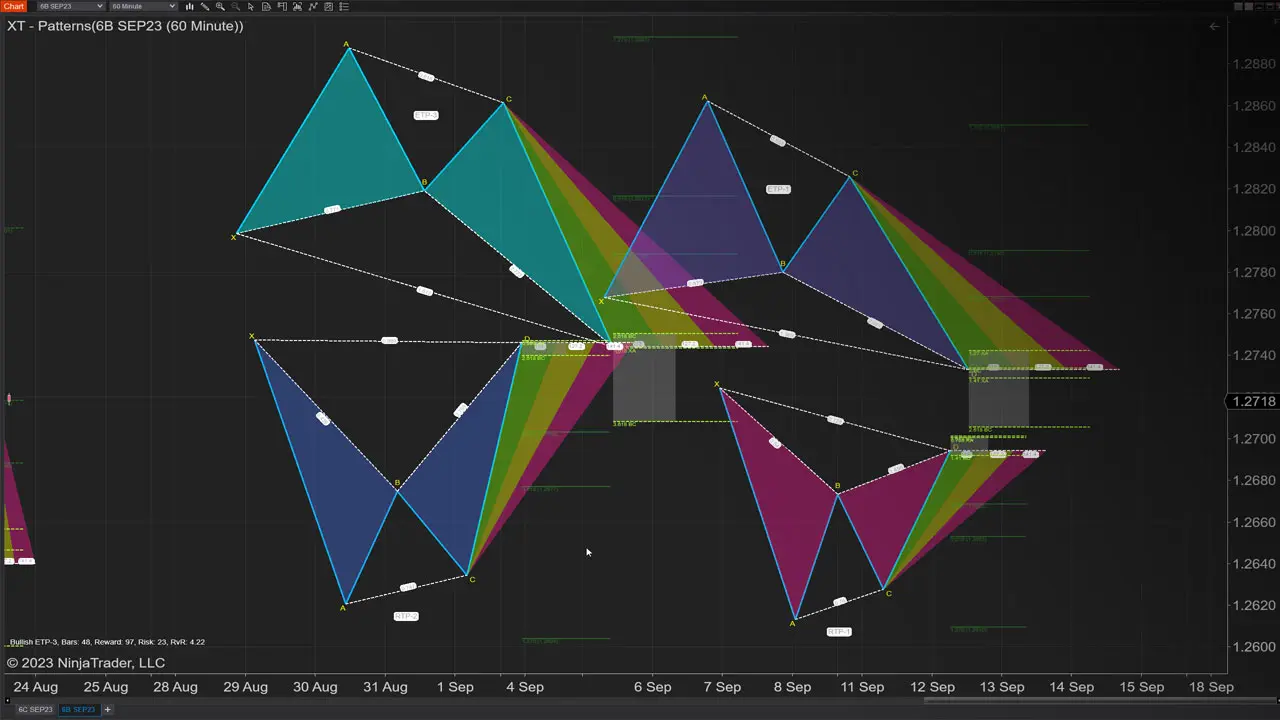
The most reliable classification of patterns are known as the XABCD Patterns. These go beyond your classical chart patterns by including both price and time fibonacci measurements.
The most reliable of the XABCD Patterns are going to be your ETP-3 (Extension Time Pattern #3) and your ETP-4 (Extension Time Pattern #4).
Why Is This Pattern Commonly Used?
When the ETP-3 or ETP-4 patterns form, they usually have a decently sized entry point. This gives you some flexibility for the XABCD Scanner to look for nested patterns. These patterns also give you a bit more wiggle room to get a good risk vs reward which can be the cornerstone of anyone's trading method.
XABCD Pattern Strategy Overview
How To Trade The XABCD Chart Pattern?
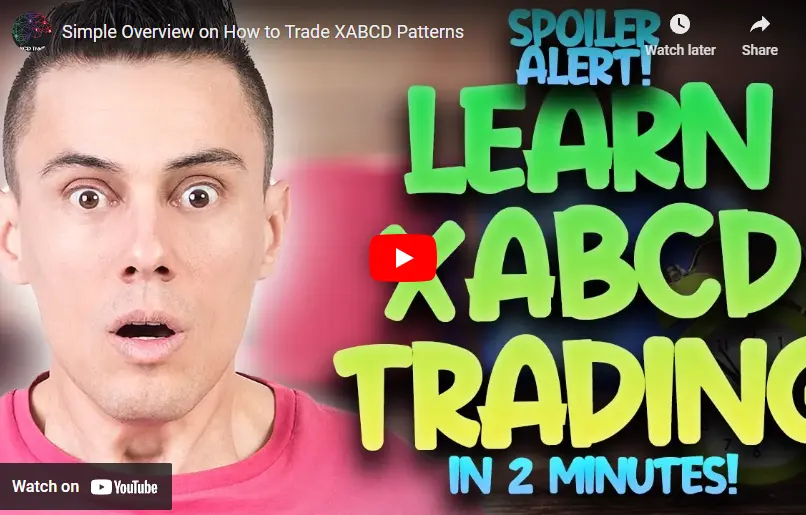
If you're new to using time and price fibonacci ratios with patterns, I would highly encourage you to watch this video that does a complete overview of the strategy in under 2 minutes. If you think that might be something to explore, feel free to grab us on the live chat and we'll get you a bunch of resources to get started. I would also recommend our xabcd pattern page to learn more.
The Least Reliable Chart Pattern
The most common type of pattern is our RTP-1 (Retracement Time Pattern #1). This is also the less frequently traded pattern because it's less reliable when trying to find a good Risk vs Reward. It's not an issue with success rate or anything like that, but instead it's not common to hit all the criteria we would need in a tradable pattern. This is why with all our youtube videos the RTP-1 is hardly shown. It's just really hard to get a good risk vs reward on this one as well as finding it in the right situation.
Frequently Asked Questions
What are the most reliable candlestick patterns for trading?
The most reliable classification of candlestick patterns are XABCD Patterns, which go beyond classical chart patterns by incorporating both price and time fibonacci measurements. Among these, the ETP-3 (Extension Time Pattern #3) and ETP-4 (Extension Time Pattern #4) are considered the most reliable because they offer a decently sized entry point and better risk vs reward opportunities.
Why are XABCD patterns more reliable than traditional candlestick patterns?
XABCD patterns are more reliable because they are the only pattern classification that uses both price and time fibonacci ratios for increased consistency. Traditional candlestick patterns, such as 1, 2, or 3 bar reversal patterns and price patterns like head and shoulders, do not incorporate time measurements, which limits their precision compared to XABCD patterns.
Which candlestick patterns should beginners avoid?
Beginners should be cautious with the RTP-1 (Retracement Time Pattern #1), which is the least reliable pattern for trading. While its success rate isn't necessarily poor, it is very difficult to find a good risk vs reward setup with this pattern, and it rarely meets all the criteria needed for a tradable opportunity.
How do you find the most reliable candlestick patterns on a chart?
To find the most reliable patterns, traders can use tools like the XABCD Scanner, which identifies patterns that incorporate both price and time fibonacci ratios. The scanner can also look for nested patterns within larger setups like the ETP-3 and ETP-4, giving traders added flexibility and confirmation before entering a trade.
Do reliable chart patterns work better with additional trading tools?
Yes, reliable chart patterns work extremely well when used in conjunction with supplementary tools. For example, the ATM Pack of tools for the NinjaTrader 8 platform allows traders to auto-move stops to breakeven and automate routine tasks, which helps manage trades more effectively once a pattern-based entry is made.
Still have a question about this?Ask the XABCD team in Live Chat and get help with your setup.Ask in Live Chat →
New NinjaTrader Articles Delivered First
Free tutorials, fixes and setup guides by email. Two emails a month at most.
Free tutorials, fixes and setup guides by email. Two emails a month at most.
Recommended Tool
XABCD ATM Pack
23 free ATM strategy templates for NinjaTrader 8. Import them and start with your stops and targets already set up.
Get the Free ATM Pack →
Recommended Video
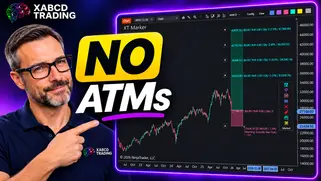
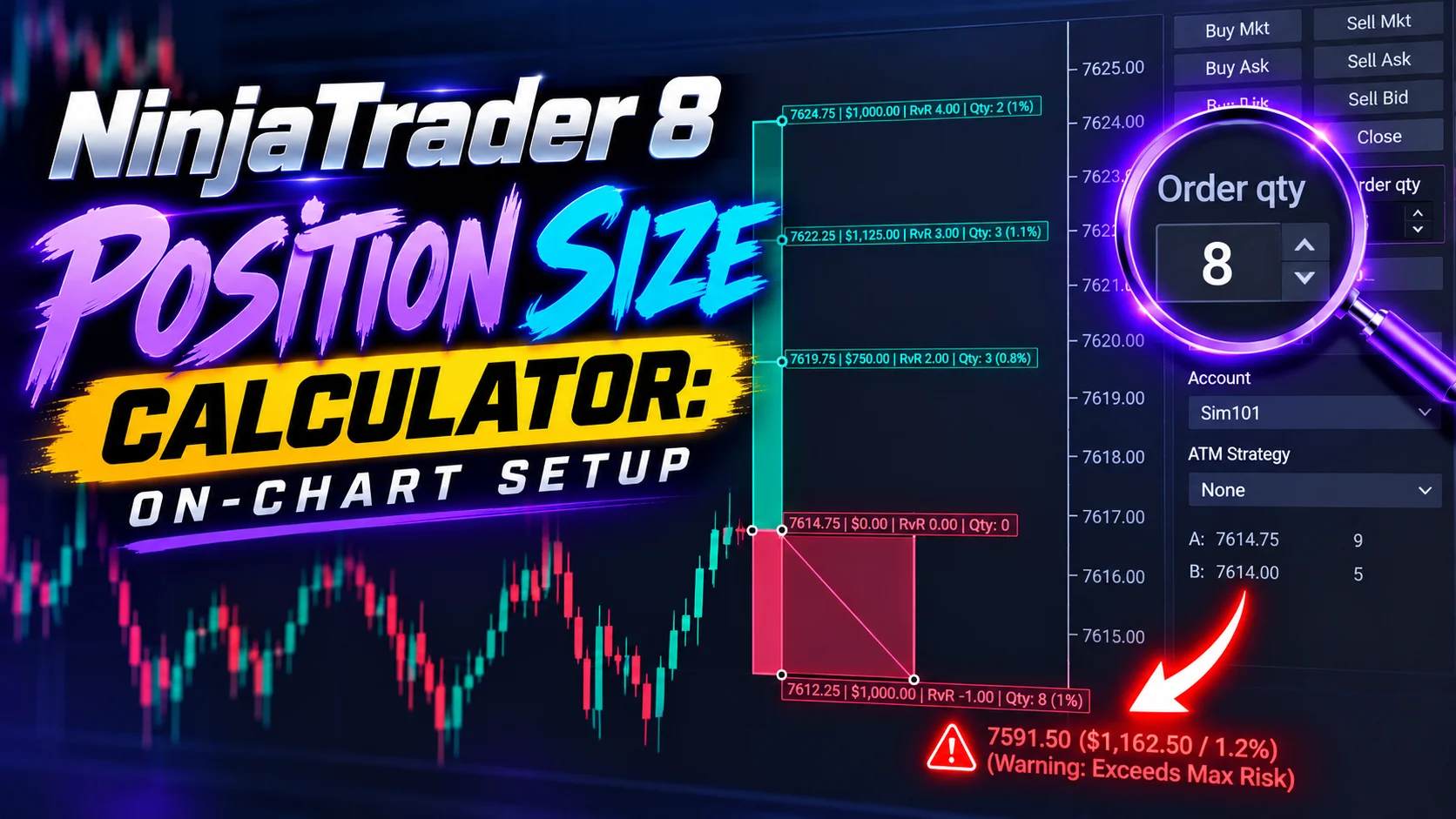
Ditch NinjaTrader ATMs: This Is More Powerful
See how to set your risk and calculate contracts directly on the chart.
Watch Now
Subscribe on YouTube
Related Tool

XABCD ATM Pack
23 free ATM strategy templates for NinjaTrader 8. Import them and start with your stops and targets already set up.
Get the Free ATM Pack
Why XABCD Trading
- Built for NinjaTrader 8 since 2009
- Trusted by 2,000+ traders
- On-chart tools, no ATM templates needed
- Free tools to get started
Get Project Updates
Twice-monthly maximum, we will give you updates on all the projects going here.
Quick Links