XABCD TRADING

Trading Consistently And How To Do It Regularly

Subscribe
to get alerts to our next blog post!
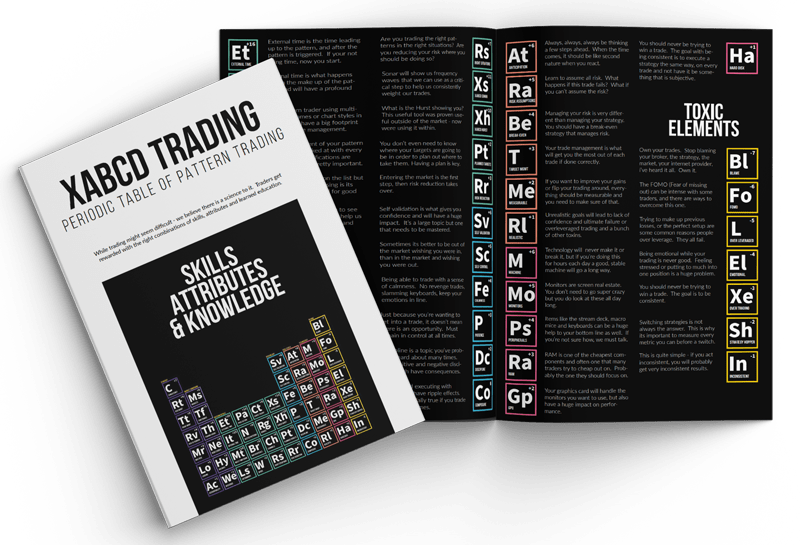
You must learn to master how to do trading consistently. So no surprise, consistency is the highest ranked element traders need. You can get a full list of all 54 elements with the XABCD Periodic Table that is available as a free download. Here are 5 tips below that can help you with trading consistently as the most important element of a trader.
Use A Method That Helps You Trade Consistently
Tip 1 Don't get surprised during the day by news events and use a method that helps you be more consistent. Yes, obviously as a pattern trading site we're going to say, use patterns. It has helped a ton of people. But if you have your own uniquely way that let's you be consistent, then use it. If you need a strategy to help with consistency and you have not looked into XABCD Patterns then I think you should explore it to see if it would help you.
Control Yourself and Be Disciplined
Tip 2 You'll need to be very disciplined. Some people find trading is not for them because they don't have discipline. I believe this quality can be learned. In fact, I'm sure some people get so frustrated with their trading that they finally start becoming disciplined because they have so much anger that nothing else has worked. Being aware if your disciplined is going to be the first step. Some people can't be disciplined because they don't have a consistent strategy and you might need to find that first.
Don't Be Emotional
Tip 3 Don't let your emotions get the best of you. If you find your too emotional and you're making inconsistent choices, chances are you are probably risking too much. Lower the weight of your trade down as low as you can. The less you risk, the less emotional you'll probably have and more consistent you will act. The real test is when you see a trade that hits all your requirements to enter but you feel (for some reason) you shouldn't take the trade. Remember, you shouldn't care about the results of one trade but instead the results of many.
Get Some Experience
Tip 4 You will probably need to go through a few cycles (periods where you win trades and then period where you lose them). This way you will see that your losses take small chips away at your balance where your winners are what makes the account grow. Seeing this happening to you will give you the confidence you need to maintain that discipline.
What Is Consistency in Trading?
Trading consistently does not mean only taking profits. It also doesn't mean that you win 8 out of 10 of your trades. If you want to get consistent in your trading, you need to start looking at consistency differently. Even if you only win 4 out of your 10 trades but your profits are twice as big as your losses, then you will still see growth. If you do that over and over again, then you will be consistently profitable. Bigger profits come from letting winners run, so learning how to hold onto trades longer instead of exiting early is key to this kind of consistency.
How to Become a Consistent Trader?
Where most people struggle is that their strategy doesn't let them be consistent. Trying to act consistently and expecting consistent results then becomes extremally hard. If you remember one thing, let it be this: You're not going to fall backwards into a pile of consistency, unless you act consistently.
How Long Does It Take To Be Consistent in Trading?
This will be different for everyone. It's like asking someone how long will it take you to train for a marathon. As a trader, what kind of shape are you in? How bad have you had it? Have you ever trading consistently before? What sort of training have you done or are you just flying by the seat of your pants? I wouldn't focus how long it would take as it might seem a bit daunting. Like when you run a marathon, one foot in front of the other. While you're trying to be more consistent its very much the same. One trade in front of another. Do this in a demo as it doesn't matter if its a winning trade or losing trade. Your goal should be for consistency.
Frequently Asked Questions
Why is trading consistently so difficult for most traders?
Trading consistently is difficult because emotions like fear and greed often override logical decision-making, causing traders to deviate from their plans. Most traders also lack a well-defined strategy with clear rules for entries, exits, and risk management, which leads to impulsive and inconsistent behavior in the markets.
How do I develop a consistent trading routine?
A consistent trading routine starts with setting fixed times for market analysis, trade execution, and performance review each day. Incorporate journaling every trade, following a pre-trade checklist, and sticking to predefined risk parameters so that your process remains repeatable regardless of market conditions.
What habits help with trading consistently over the long term?
Key habits include following a written trading plan on every trade, managing risk by never risking more than a small percentage of your account per position, and reviewing your trades regularly to identify patterns in your behavior. Maintaining discipline, emotional control, and patience are equally important for sustaining consistency over months and years.
Does a trading journal really improve consistency?
Yes, a trading journal is one of the most effective tools for improving consistency because it forces you to document your reasoning, emotions, and outcomes for every trade. Over time, reviewing your journal reveals recurring mistakes and strengths, allowing you to refine your strategy and eliminate behaviors that undermine your results.
How long does it take to become a consistent trader?
Most traders need at least one to two years of dedicated practice, education, and real market experience before achieving consistency. The timeline varies depending on the individual's commitment to following a structured plan, managing risk properly, and continuously learning from both winning and losing trades.
New NinjaTrader Articles Delivered First
Recommended Video

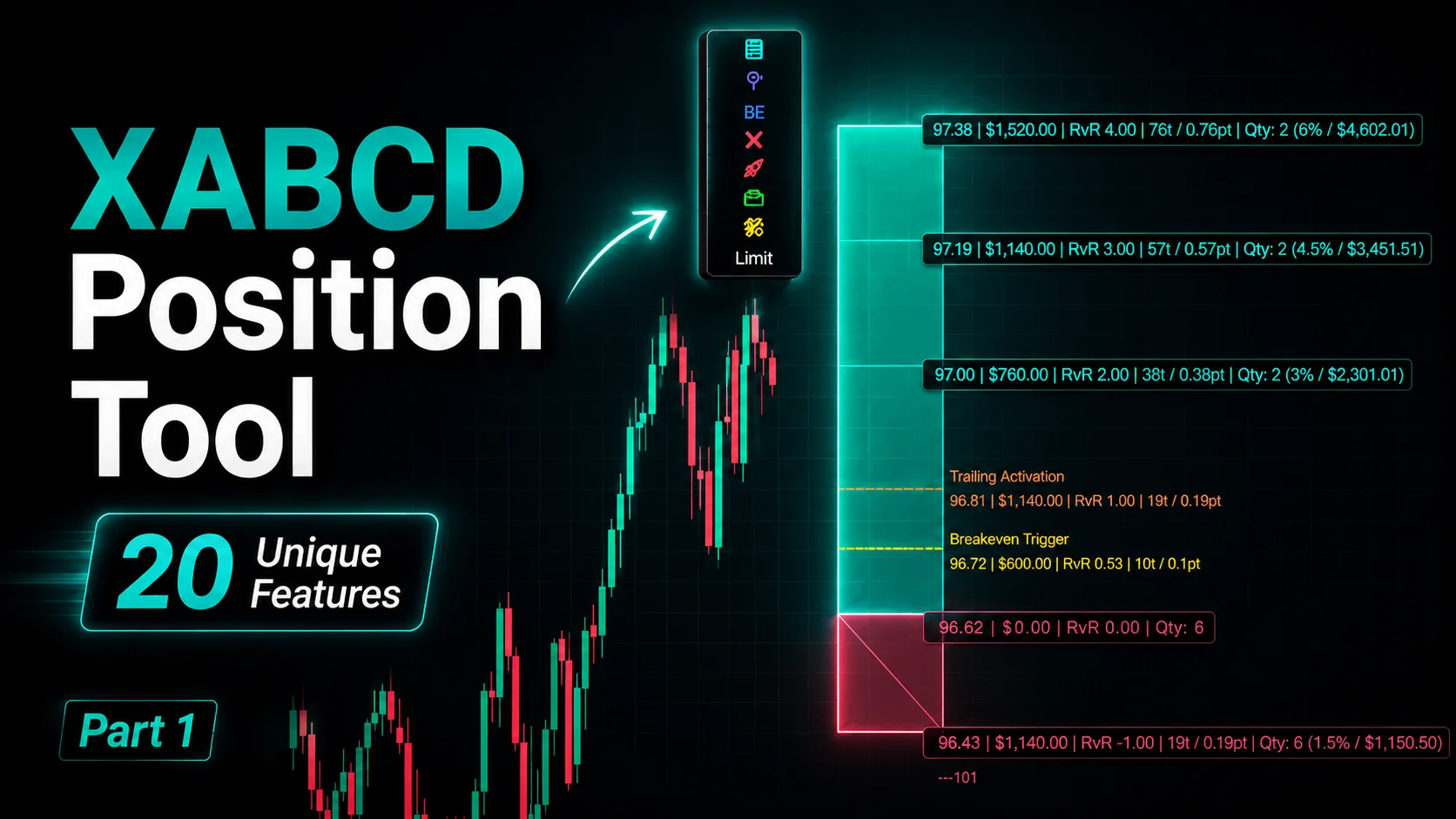
Ditch NinjaTrader ATMs: This Is More Powerful
See how to set your risk and calculate contracts directly on the chart.
Watch Now
Subscribe on YouTube
Related Tool
XABCD Position Tool
Automatic position sizing and on-chart trade management.
Explore the Tool
Why XABCD Trading
- Built for NinjaTrader 8 since 2009
- Trusted by 2,000+ traders
- On-chart tools, no ATM templates needed
- Free tools to get started
Get Project Updates
Twice-monthly maximum, we will give you updates on all the projects going here.
Quick Links
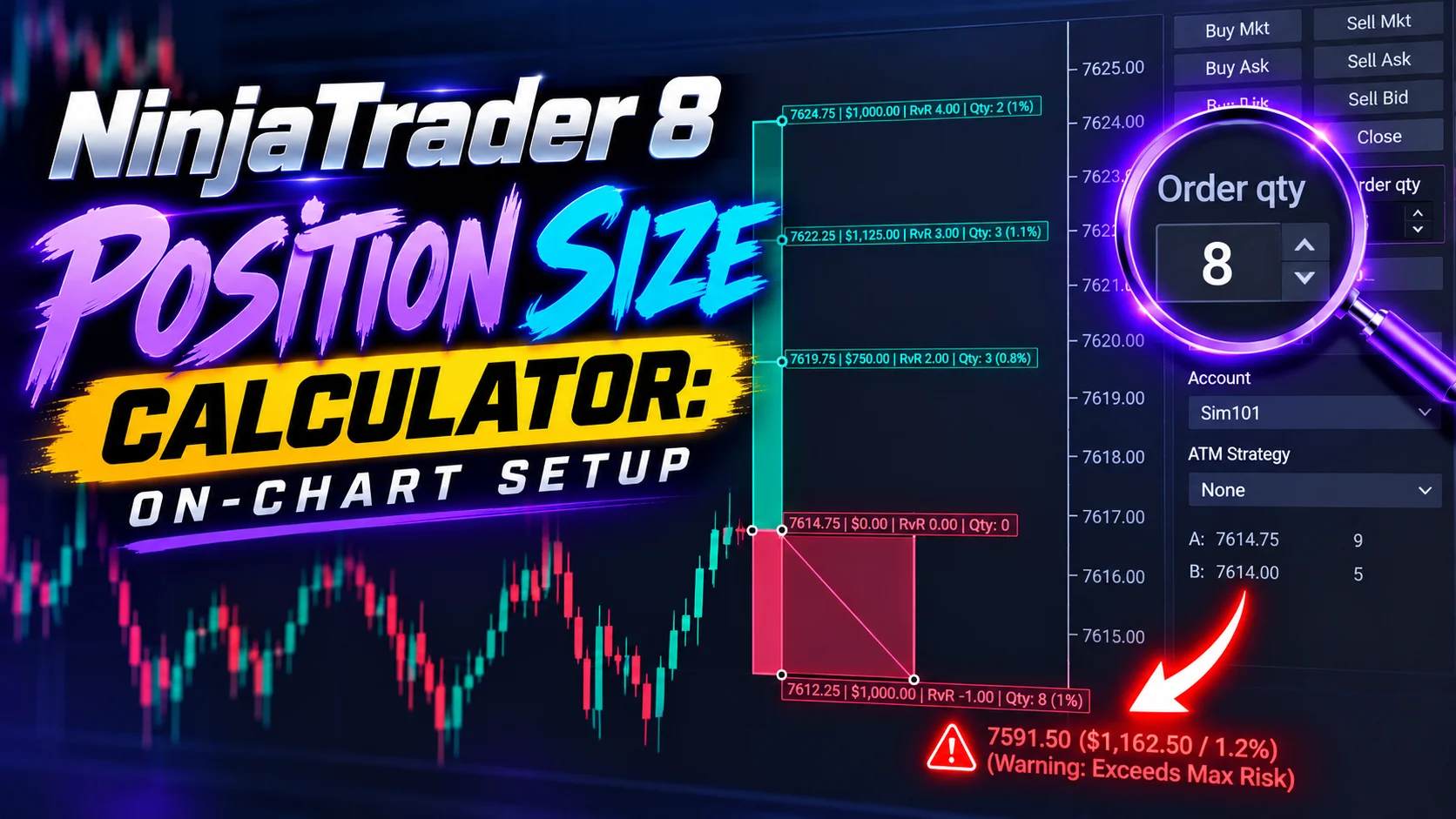
NinjaTrader 8 Position Size Calculator: On-Chart Setup
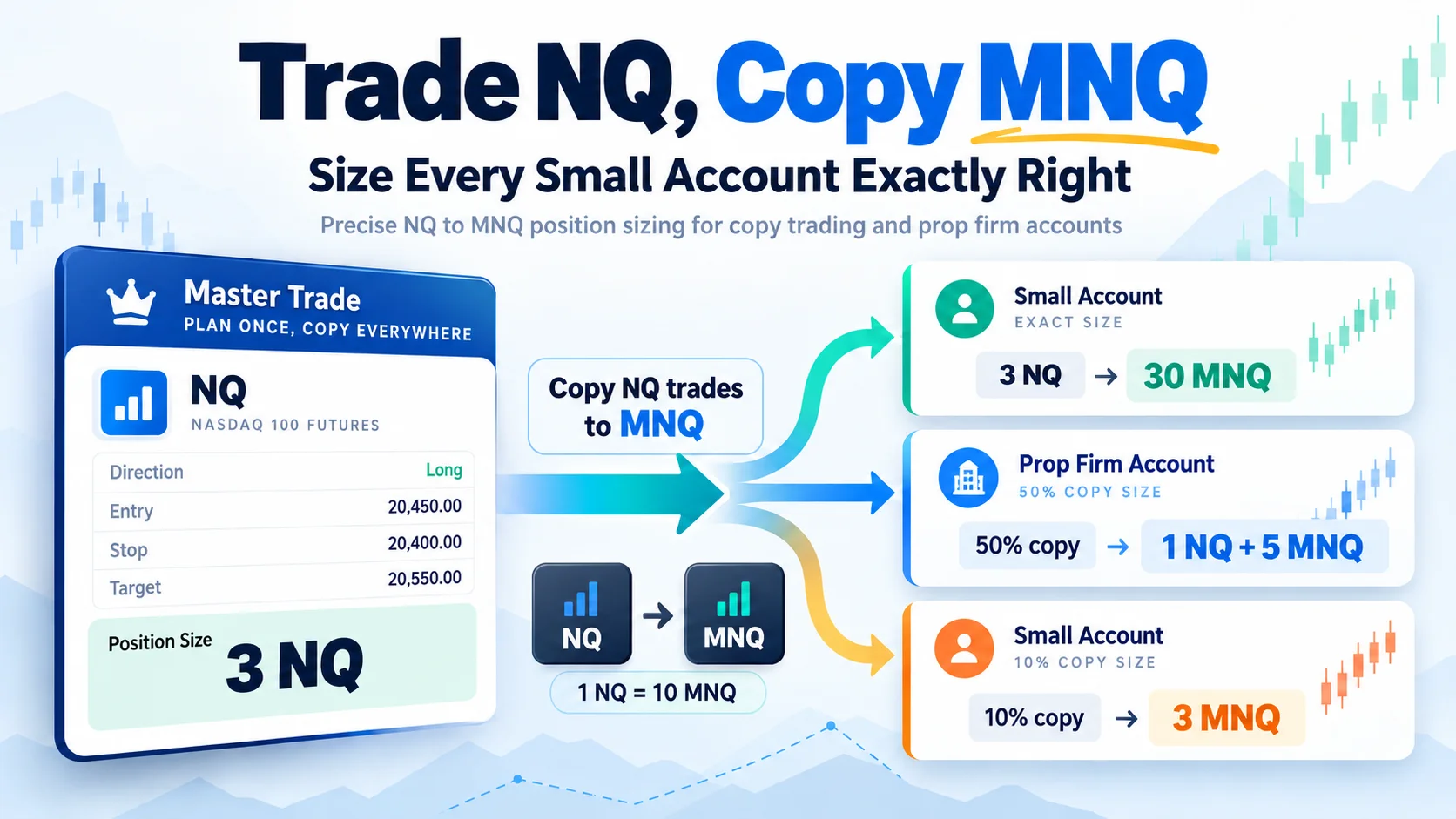
Trade NQ, Copy MNQ: Copy NQ Trades to MNQ in NinjaTrader 8
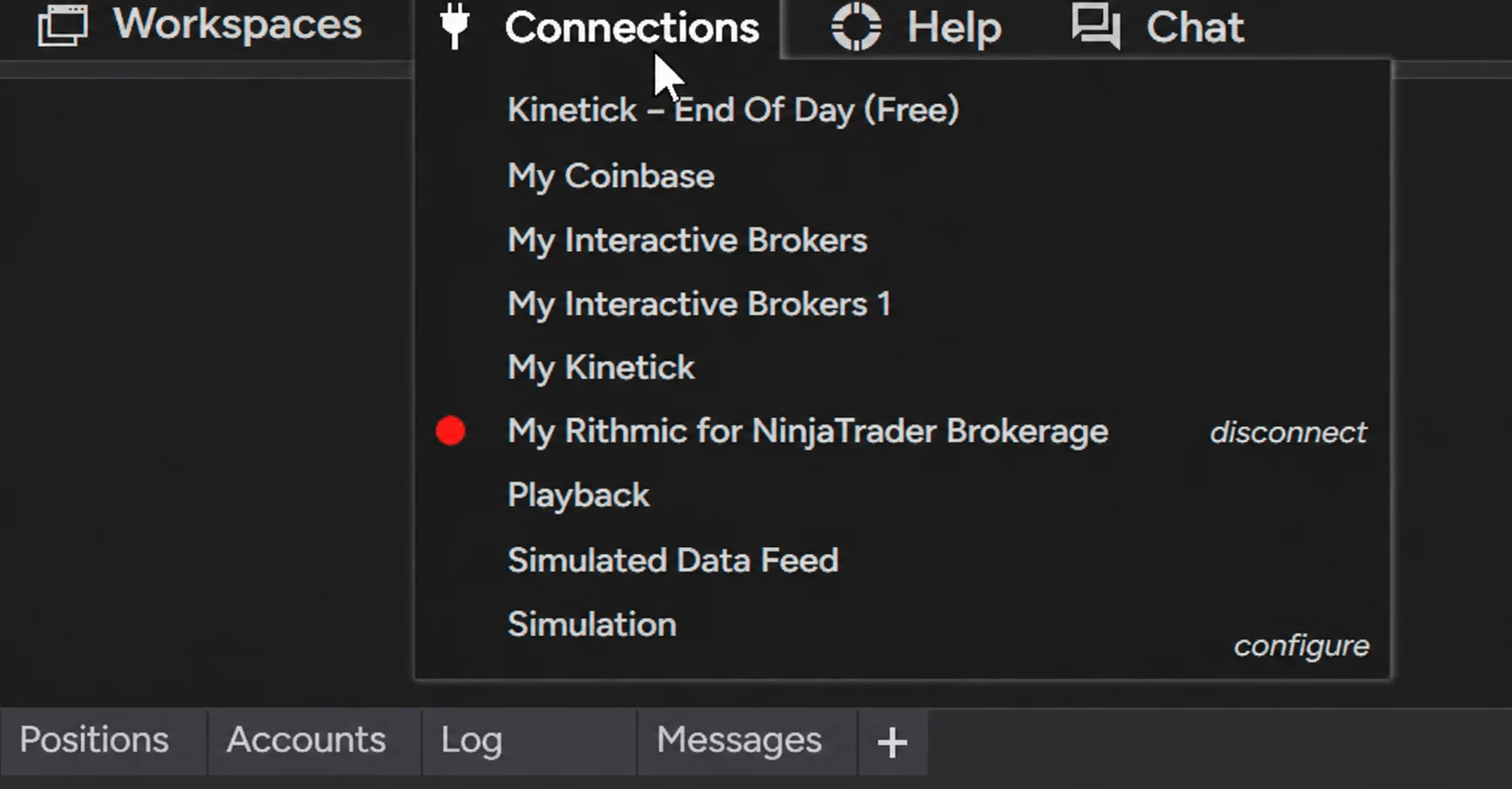
NinjaTrader Data Feed Not Updating? Quick Fixes

NinjaTrader Risk Per Trade: Risk $500 on Every Trade
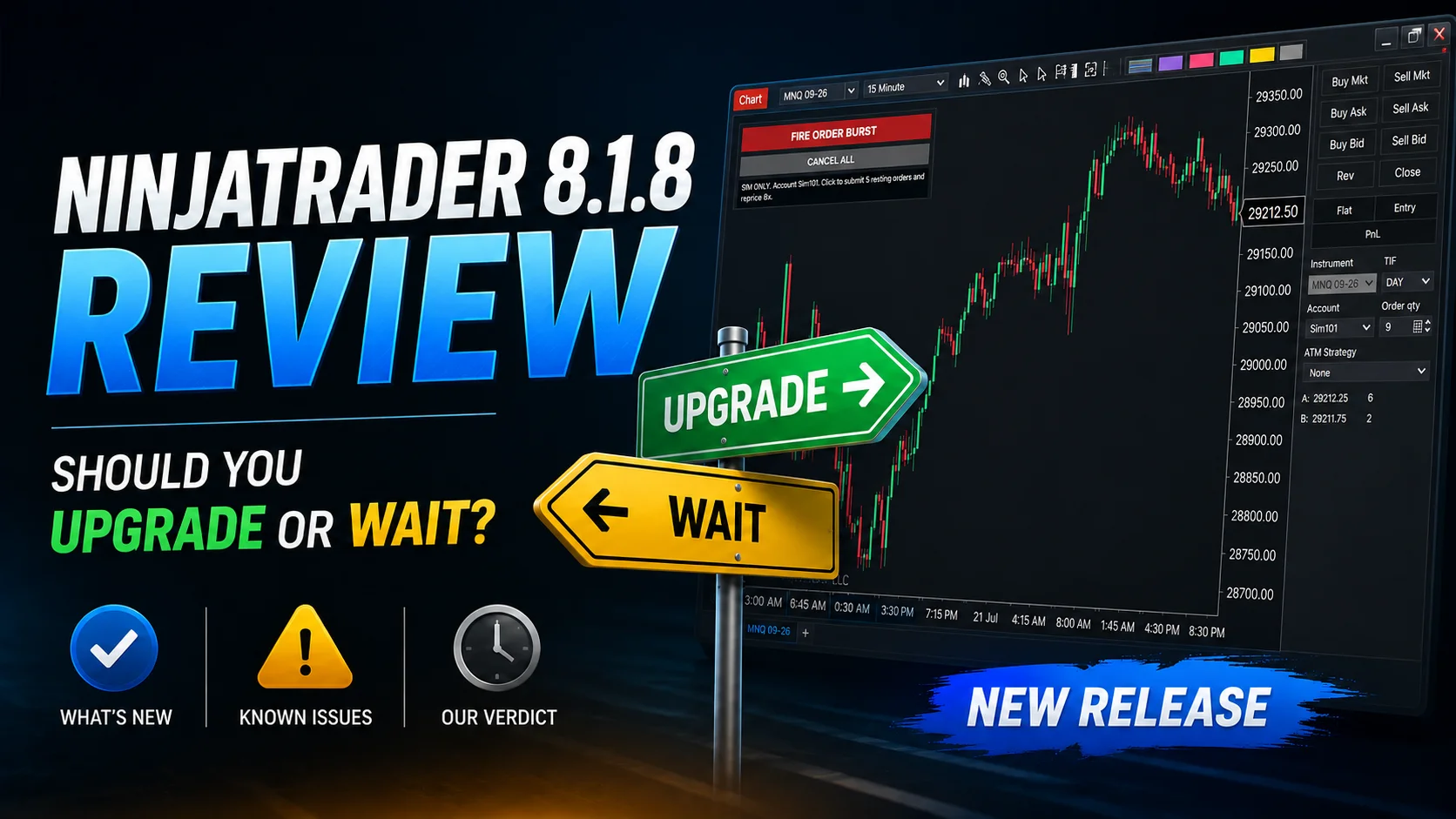
NinjaTrader 8.1.8 Review: Should You Upgrade or Wait?
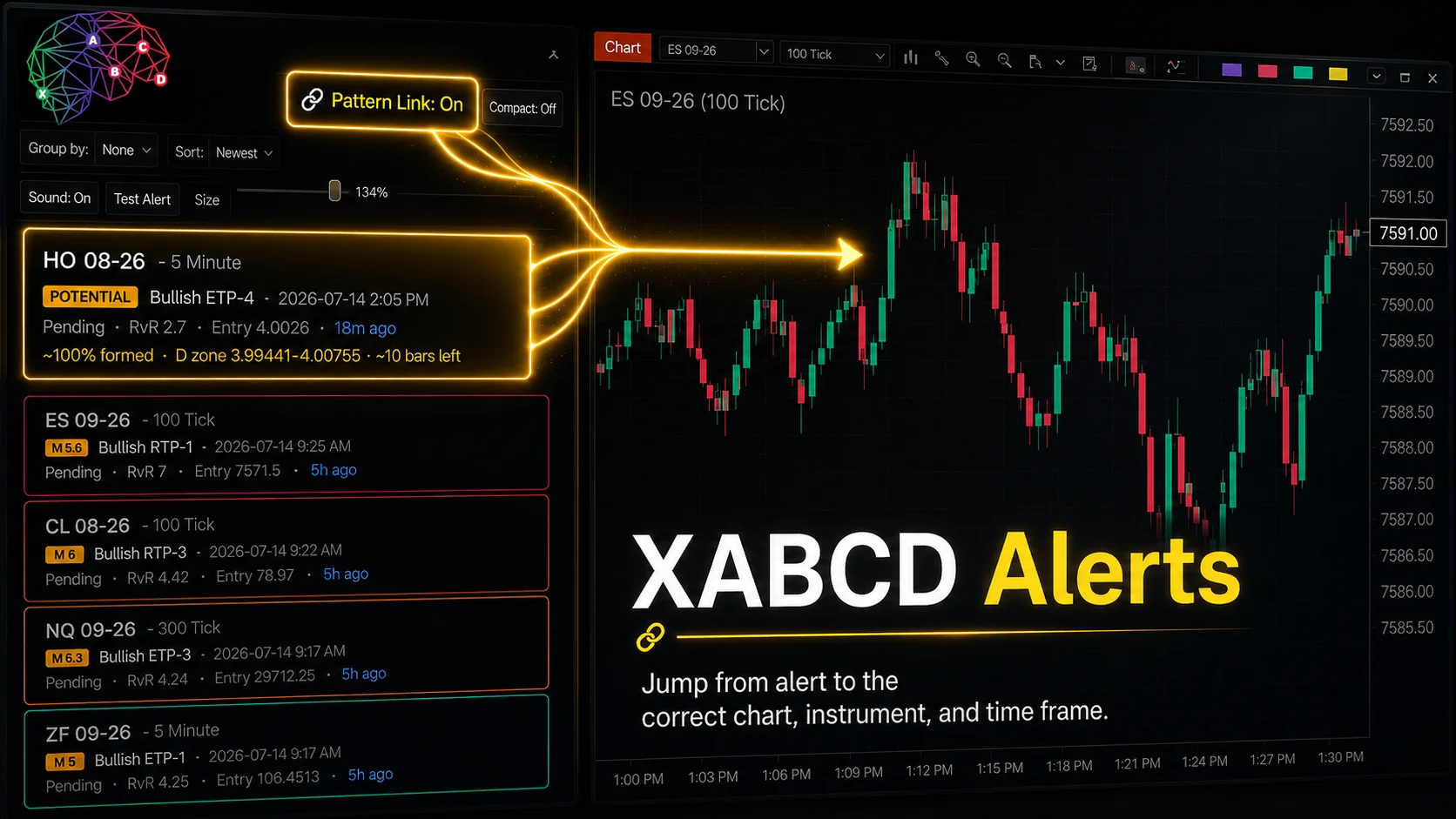
XABCD Pattern Alerts: The Complete Guide for Traders
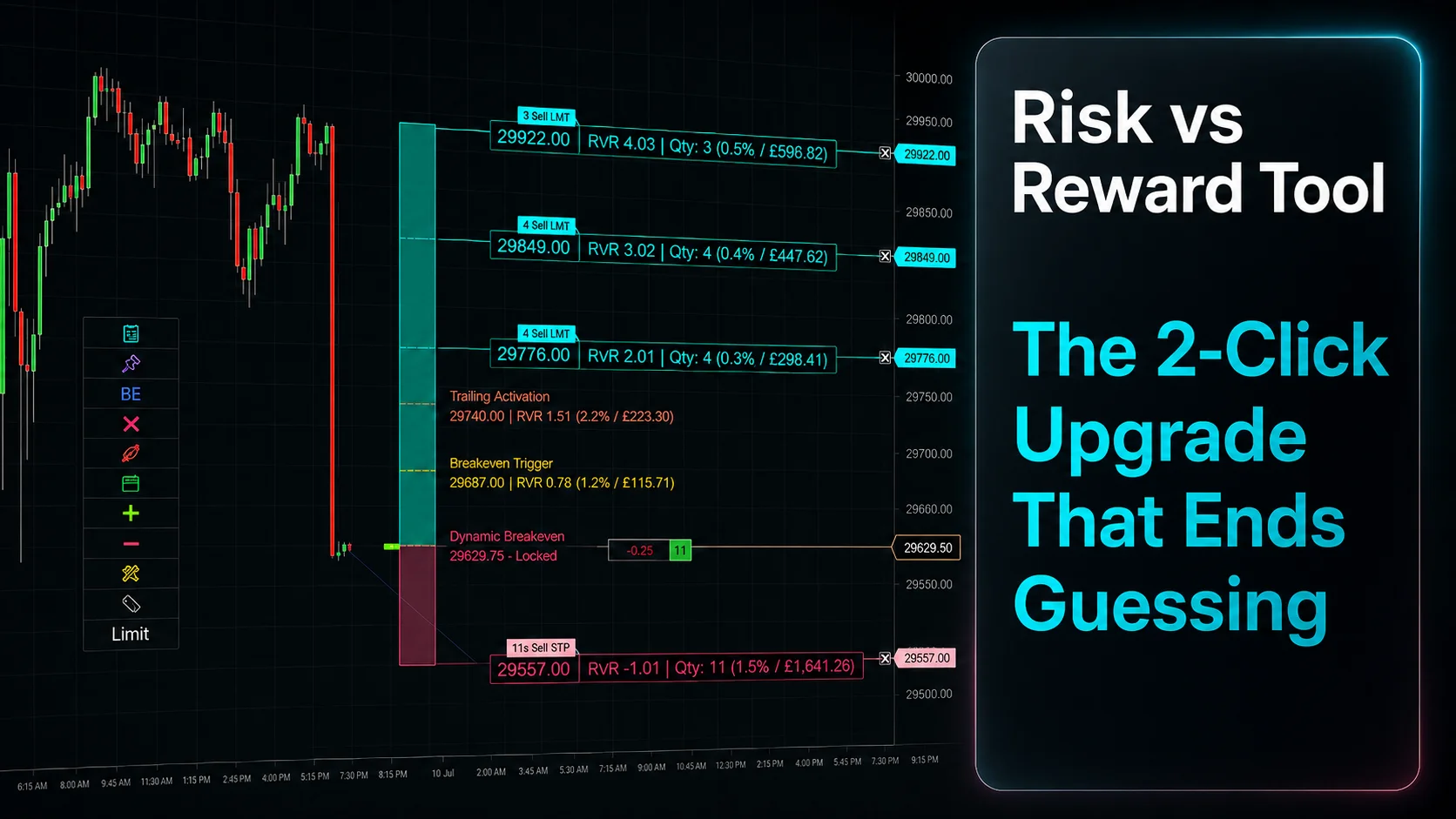
Risk vs Reward Tool: The 2-Click Upgrade That Ends Guessing
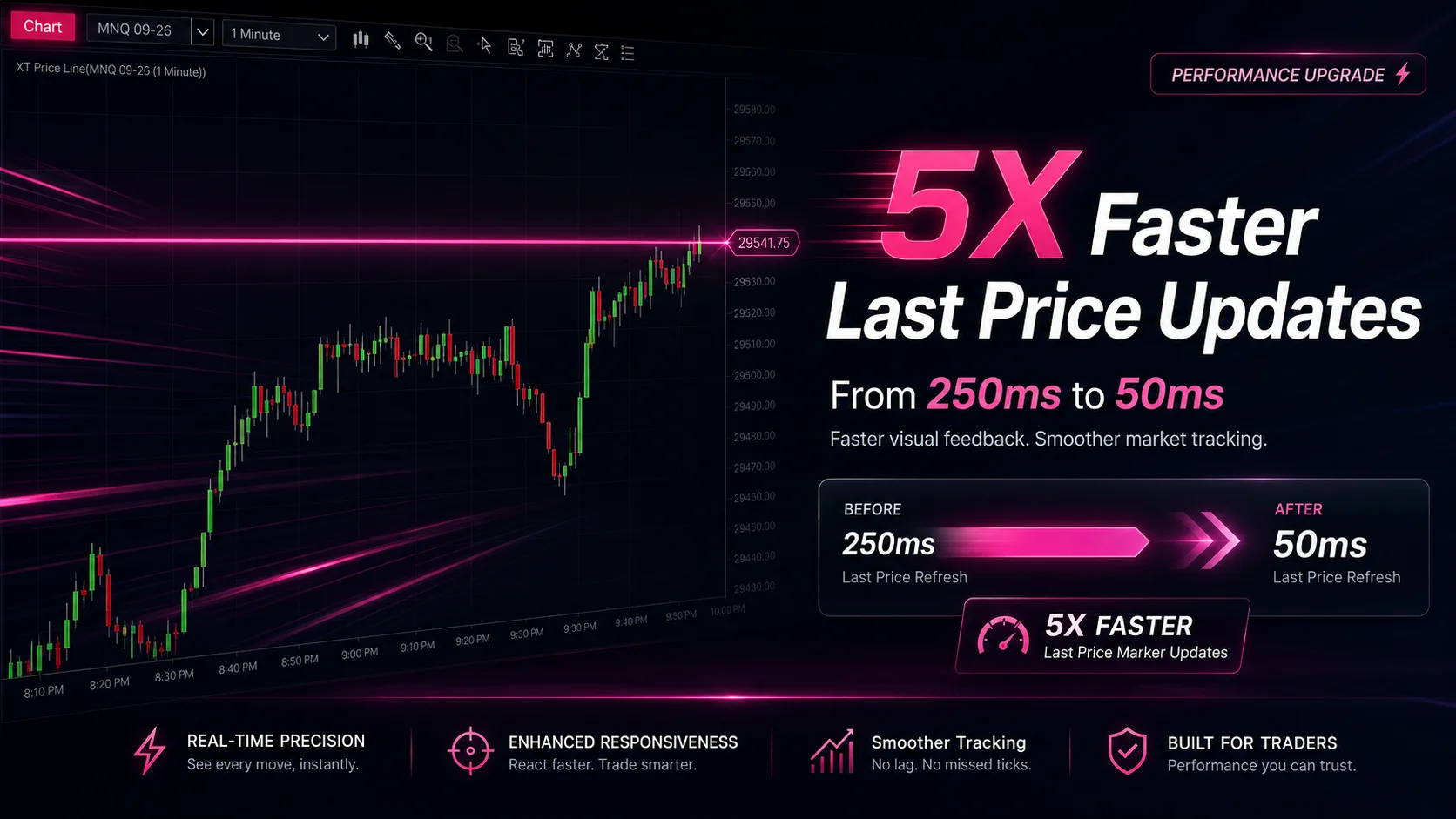
NinjaTrader Faster Last Price Updates on Charts Explained
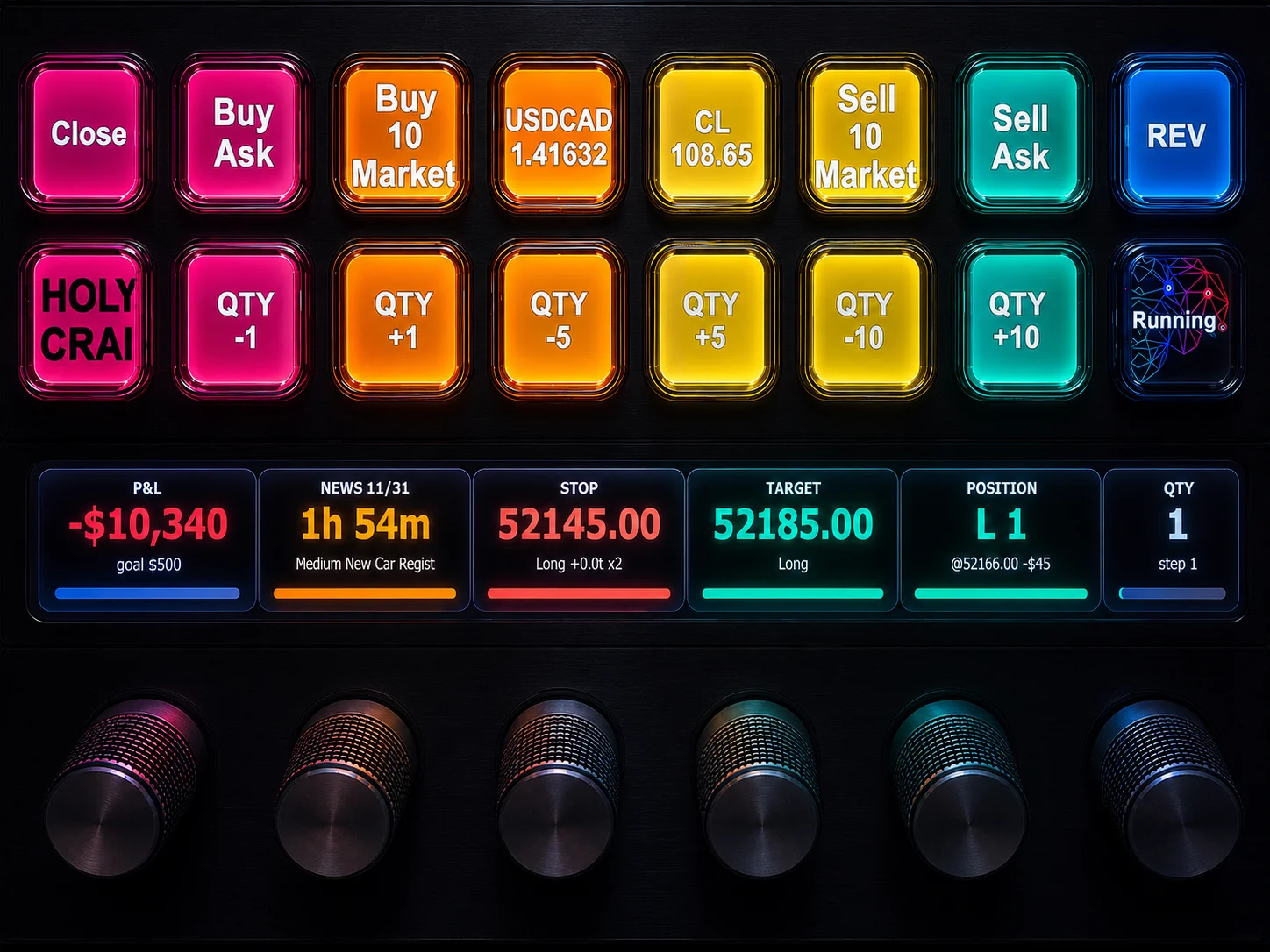
NinjaTrader 8 Hotkeys: Best Shortcuts for Faster Trading