XABCD TRADING

How to Hold onto Winning Trades Longer
Subscribe
to get alerts to our next blog post!
Hold onto Winning Trades or Should You Bail?
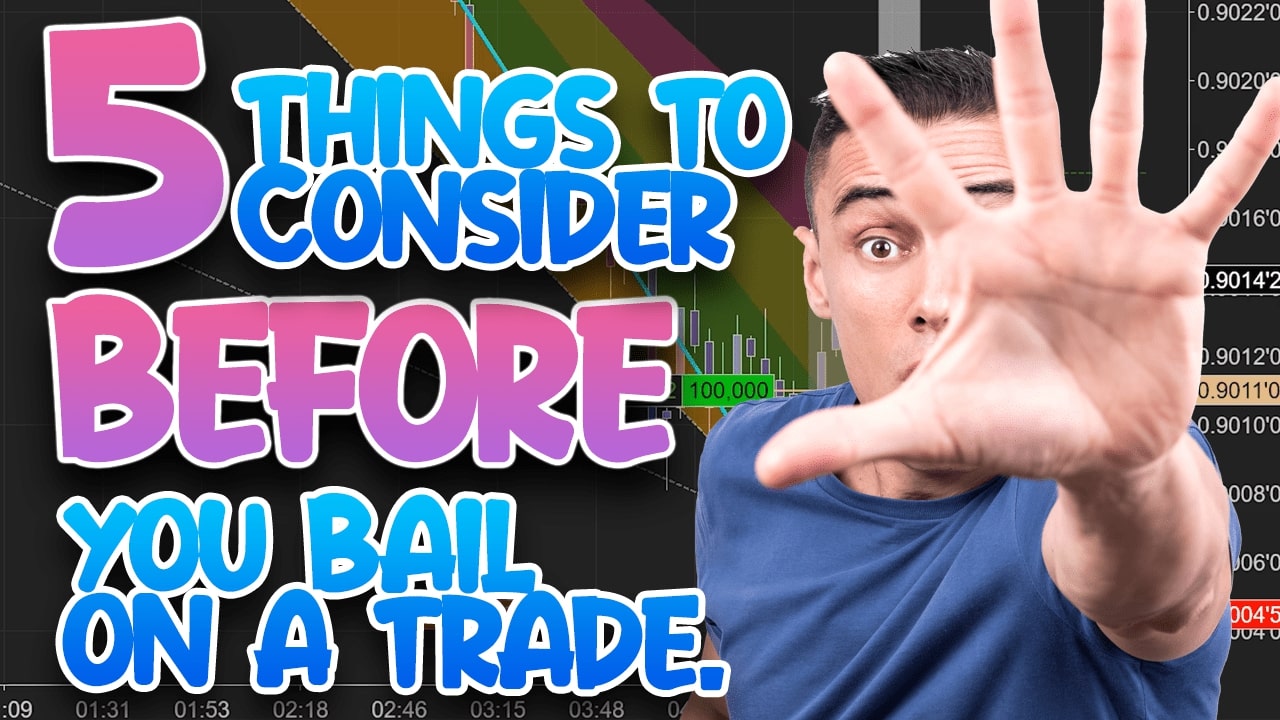
This is the single biggest thing that will probably turn your trading around. It's not the strategy, its not how to have a better entry point like most people think - but from everything I've seen helping educate traders - it all has to do with how you deal with the card you were dealt. Specifically, knowing when to bail on trade. There is a very black and white answer to this, now let me show you how and why, and 5 reasons how this matters.
The Rules for Bailing on a Trade and Not Holding onto Winners
Take this trade I'm in... symbol, time frame, none of this matters for what i'm going to show you. Although just for fun, if you think you know the instrument type it in the comments. I'll give you a clue, its a tick chart.
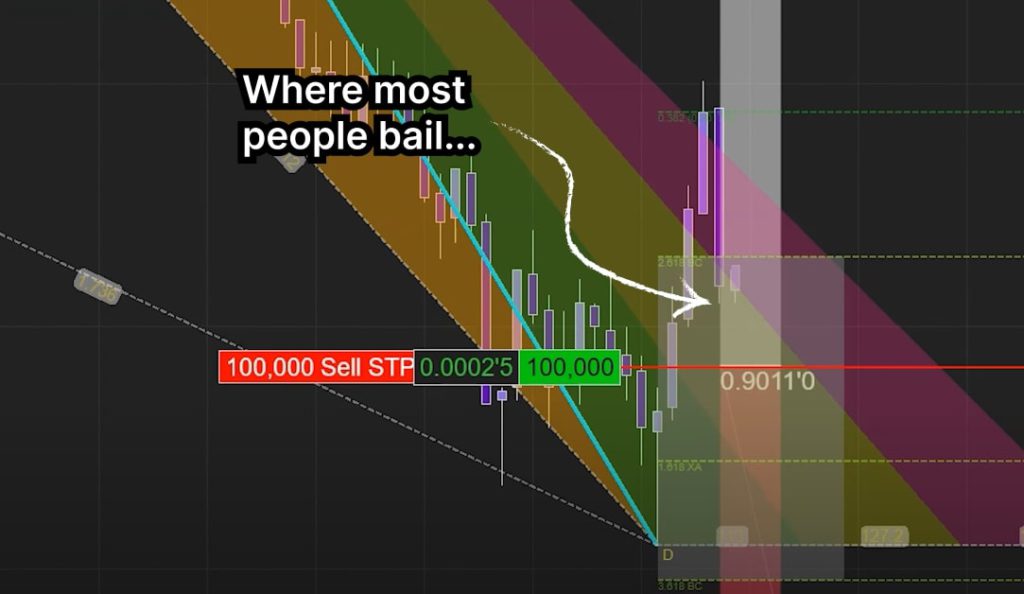
Anyways, I've found myself in this trade which is an ETP-2 pattern. For those that do not know, its a fibonacci based pattern that is measured using both price and time and tells you vital information that other fib type patterns do not - such as how much time this trade has to reverse before you should bail on it.
2 Rules when you can bail on a trade and how to do it. Rule 1: If price is within the red zone and you're in profit even just a little, you would bail on your trade by moving your stops to breakeven. High chance you'll be stopped out, we expect that, this is how we're bailing on the trade, by breakeven. Rule 2 If your not profitable, you let the pattern continue, fully expecting that it could be a loss, but you let it play out in hopes you get to that breakeven point.
Now what i want to show you is when not to bail on a trade, and this is going to be a game changer.
after you see price going up and you move your stops up to breakeven as we did just now, your not going to bail on the trade. ever. full stop. period.
it doesn't matter if price starts heading back down to your entry point. you never tell yourself, well i'm going to make sure i walk away with what i have because you think its going to stop you out ...
so while we watch what happens in this example, lets talk about 5 reasons why you don't want to bail on the trade your in and why its the death of your trading career ...
Reasons Why You Should Not Bail On A Trade?
#1 Opportunity Cost
When you exit prematurely, you potentially miss out on the opportunity to profit from future price movements. your already at breakeven this is like having a free ticket to the lottery, just enjoy the ride.#2 Emotional Disciple
Existing a trade too early is usually a cause of emotional trade which can lead to further impulsive decisions. don't do that .. your feeding the deamons inside of you and its just going to make things worse.. .lol#3 Loss Mitigation
Existing a trade too early can also mean that you take a loss that could have turned around. by staying in the trade you give yourself a chance to recover and potentially turn it into a profitable trade, plus you already got a stoploss at breakeven.#4 Learning Opportunity
Sticking with the trade that is not performing as YOU think might turn out to be a great learning opportunity and allow you to build in some new consistent habits#5 Consistency...
Consistency is a key in trade and by sticking to your plan and not bailing on trades, you can build a track record of consistent performance which can help your confidences and ultimately lead to long term success.Frequently Asked Questions
How do I hold onto trades longer without panicking?
To hold onto trades longer, develop a detailed trading plan with predefined profit targets and stop-loss levels before entering any position. This removes emotion from the decision-making process and helps you avoid exiting prematurely due to fear or anxiety. Practicing mindfulness techniques and journaling your trades can also build the discipline needed to stay in winning positions.
Why do I always close my trades too early?
Closing trades too early is typically caused by fear of losing unrealized profits, a lack of confidence in your trading strategy, or not having a clear exit plan. Many traders experience this due to loss aversion, a psychological bias where the pain of losing feels twice as strong as the pleasure of gaining. Building trust in your system through backtesting and reviewing historical performance can help overcome this tendency.
What strategies help you hold onto trades longer for bigger profits?
Effective strategies include using trailing stop-losses that lock in profits while allowing room for further gains, scaling out of positions gradually rather than closing all at once, and trading on higher timeframes to reduce noise-driven exits. Setting alerts instead of constantly watching price action also reduces the temptation to close early and helps you capture larger moves.
Does holding trades longer increase risk?
Holding trades longer can increase exposure to market volatility, overnight gaps, and unexpected news events, but it does not necessarily increase risk if managed properly. Using appropriate position sizing, trailing stops, and maintaining a favorable risk-to-reward ratio can actually improve overall profitability. The key is to ensure your risk management plan accounts for the longer holding period.
How do I know when to let a trade run versus when to take profit?
The decision to let a trade run should be based on technical indicators such as trend strength, support and resistance levels, and momentum signals rather than emotion. If the original reasons for entering the trade remain valid and no major reversal signals have appeared, it is generally best to stay in the position. Having a rules-based exit strategy defined before you enter the trade eliminates guesswork and helps you maximize returns.
Frequently Asked Questions
How do I hold onto trades longer without panicking?
To hold onto trades longer, develop a detailed trading plan with predefined profit targets and stop-loss levels before entering any position. This removes emotion from the decision-making process and helps you avoid exiting prematurely due to fear or anxiety. Practicing mindfulness techniques and journaling your trades can also build the discipline needed to stay in winning positions.
Why do I always close my trades too early?
Closing trades too early is typically caused by fear of losing unrealized profits, a lack of confidence in your trading strategy, or not having a clear exit plan. Many traders experience this due to loss aversion, a psychological bias where the pain of losing feels twice as strong as the pleasure of gaining. Building trust in your system through backtesting and reviewing historical performance can help overcome this tendency.
What strategies help you hold onto trades longer for bigger profits?
Effective strategies include using trailing stop-losses that lock in profits while allowing room for further gains, scaling out of positions gradually rather than closing all at once, and trading on higher timeframes to reduce noise-driven exits. Setting alerts instead of constantly watching price action also reduces the temptation to close early and helps you capture larger moves.
Does holding trades longer increase risk?
Holding trades longer can increase exposure to market volatility, overnight gaps, and unexpected news events, but it does not necessarily increase risk if managed properly. Using appropriate position sizing, trailing stops, and maintaining a favorable risk-to-reward ratio can actually improve overall profitability. The key is to ensure your risk management plan accounts for the longer holding period.
How do I know when to let a trade run versus when to take profit?
The decision to let a trade run should be based on technical indicators such as trend strength, support and resistance levels, and momentum signals rather than emotion. If the original reasons for entering the trade remain valid and no major reversal signals have appeared, it is generally best to stay in the position. Having a rules-based exit strategy defined before you enter the trade eliminates guesswork and helps you maximize returns.
New NinjaTrader Articles Delivered First
Recommended Video
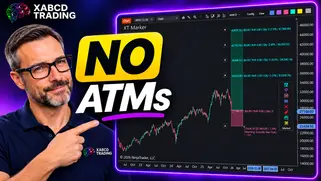
Ditch NinjaTrader ATMs: This Is More Powerful
See how to set your risk and calculate contracts directly on the chart.
Watch Now
Subscribe on YouTube
Related Tool
XABCD Position Tool
Automatic position sizing and on-chart trade management.
Explore the Tool
Why XABCD Trading
- Built for NinjaTrader 8 since 2009
- Trusted by 2,000+ traders
- On-chart tools, no ATM templates needed
- Free tools to get started
Get Project Updates
Twice-monthly maximum, we will give you updates on all the projects going here.
Quick Links
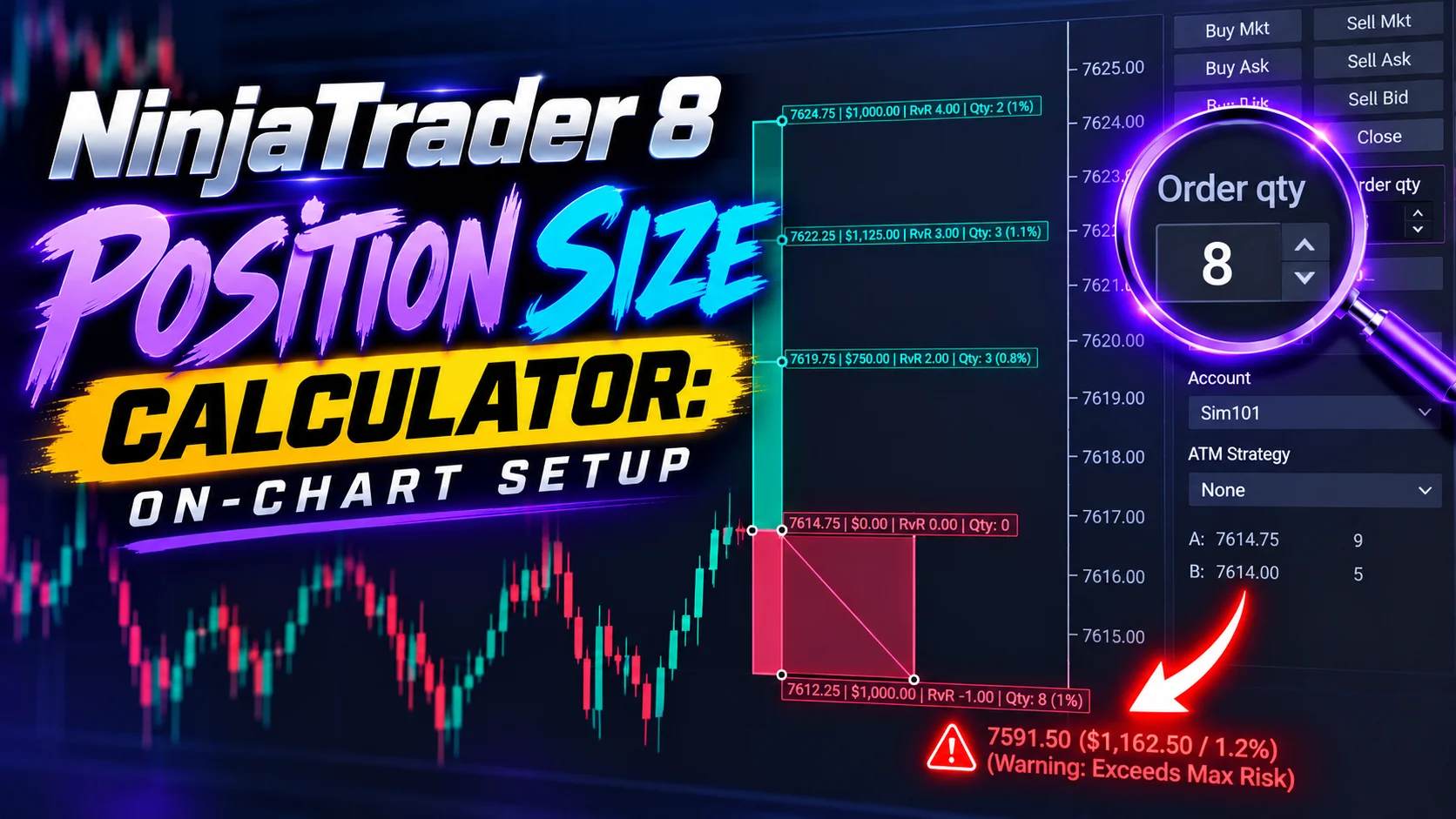
NinjaTrader 8 Position Size Calculator: On-Chart Setup
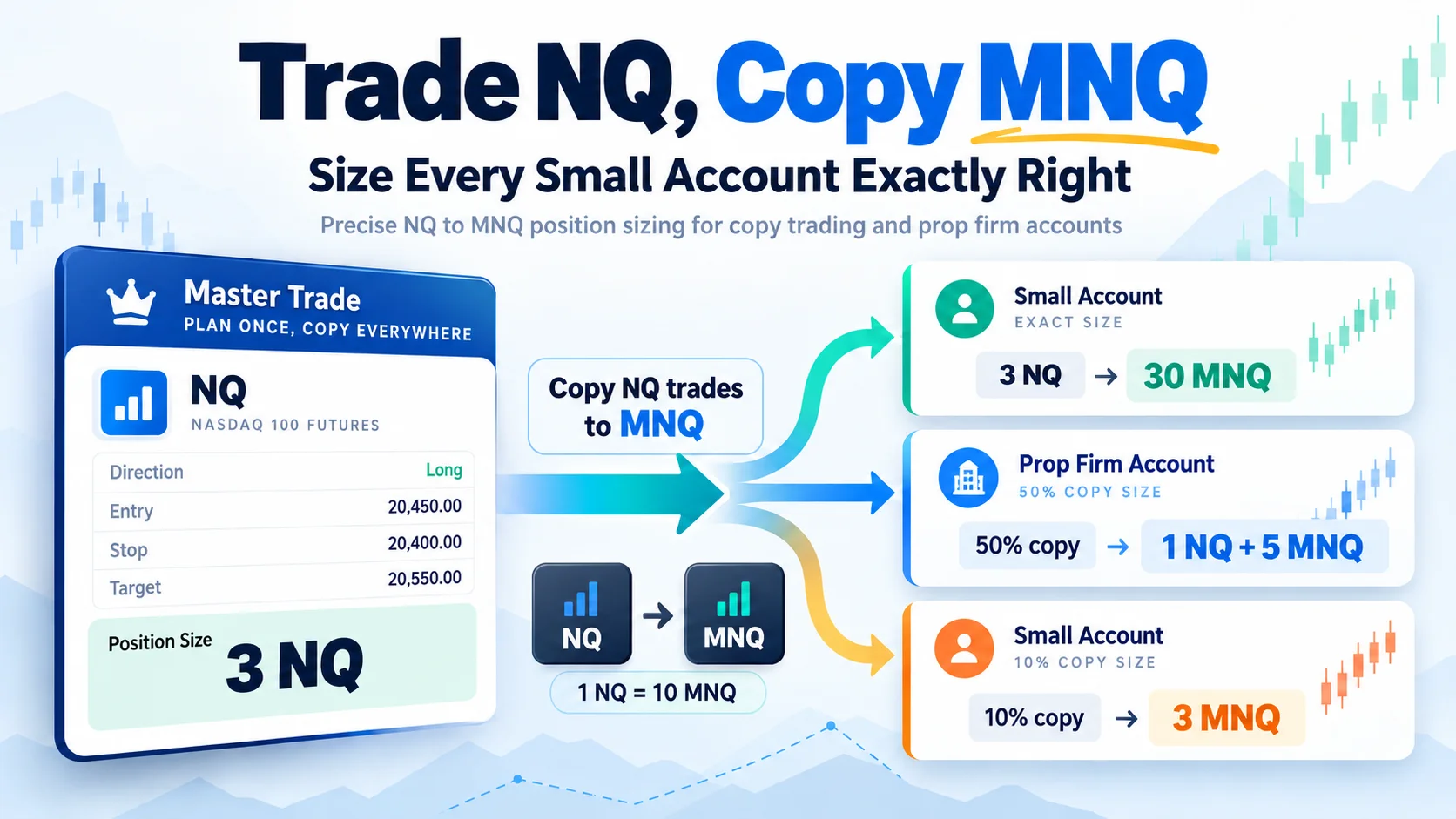
Trade NQ, Copy MNQ: Copy NQ Trades to MNQ in NinjaTrader 8
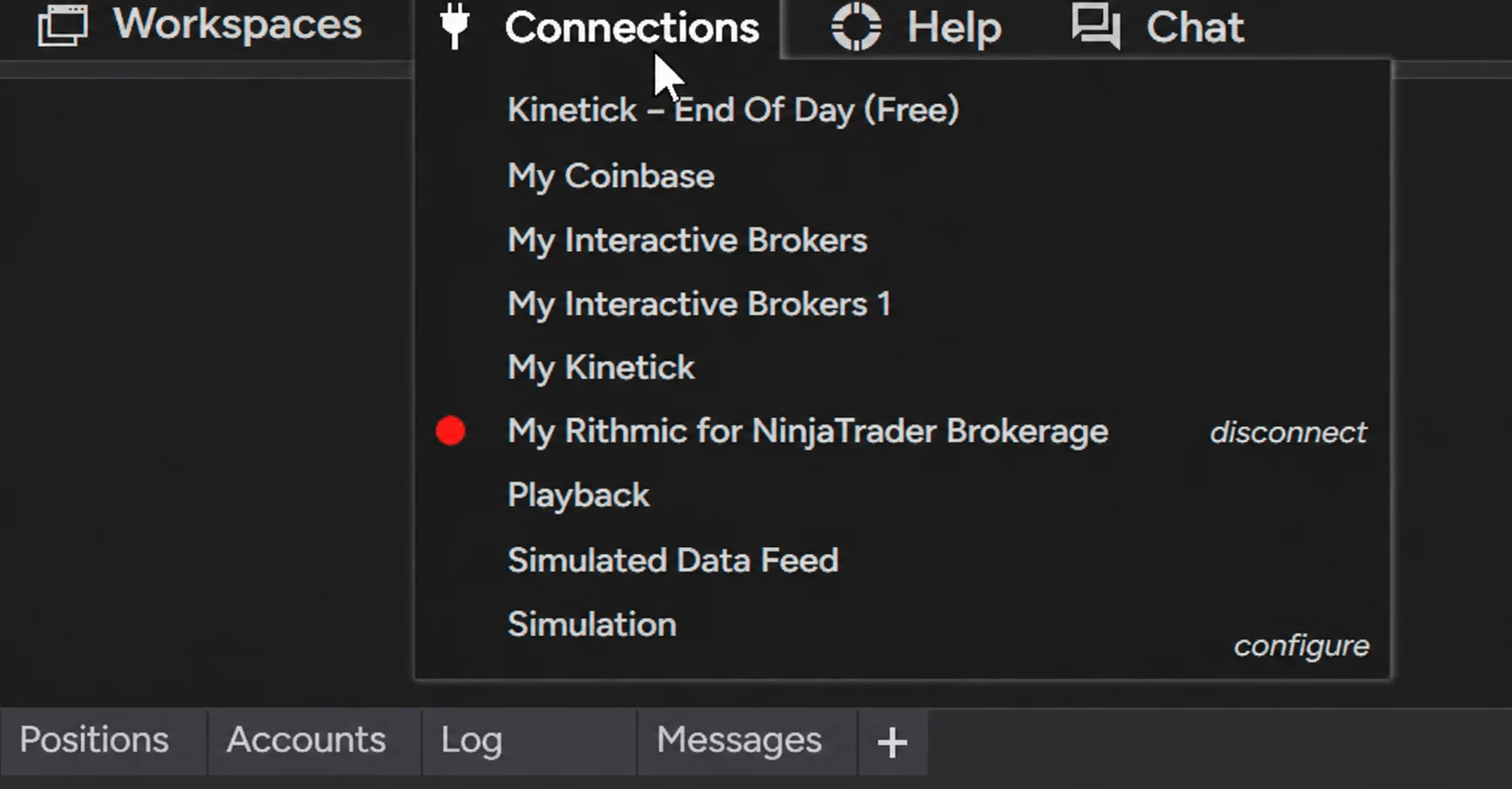
NinjaTrader Data Feed Not Updating? Quick Fixes
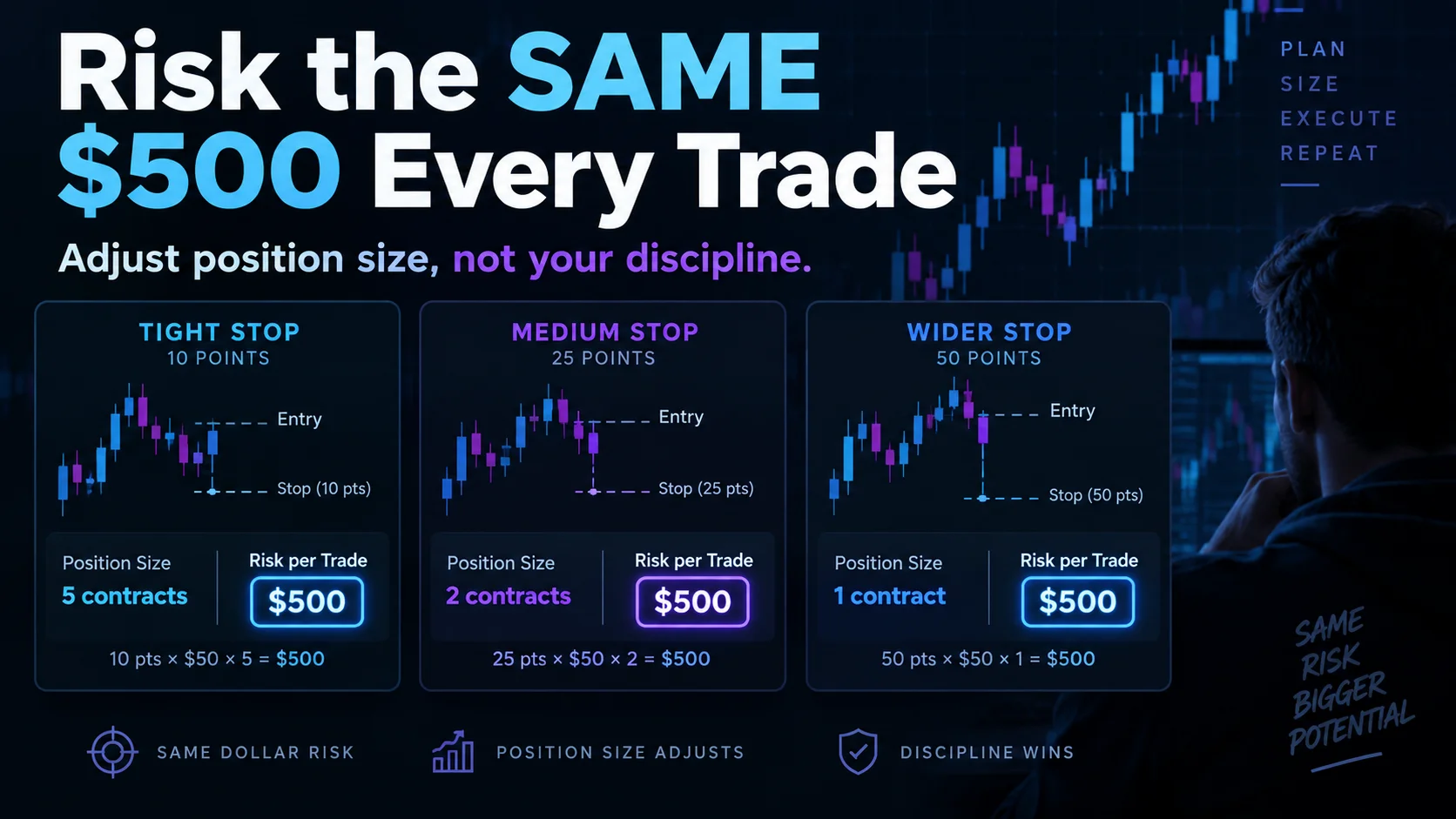
NinjaTrader Risk Per Trade: Risk $500 on Every Trade
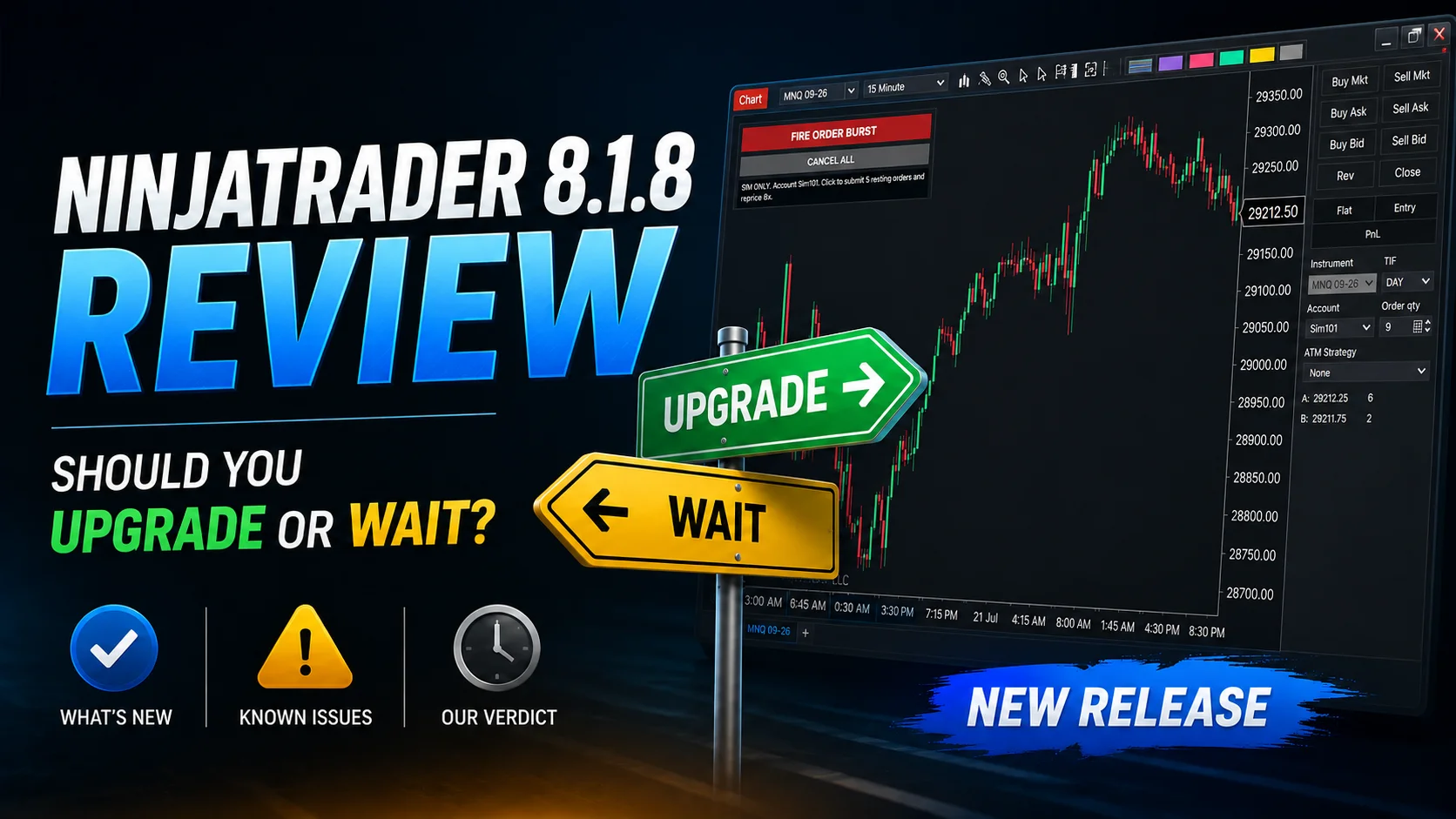
NinjaTrader 8.1.8 Review: Should You Upgrade or Wait?
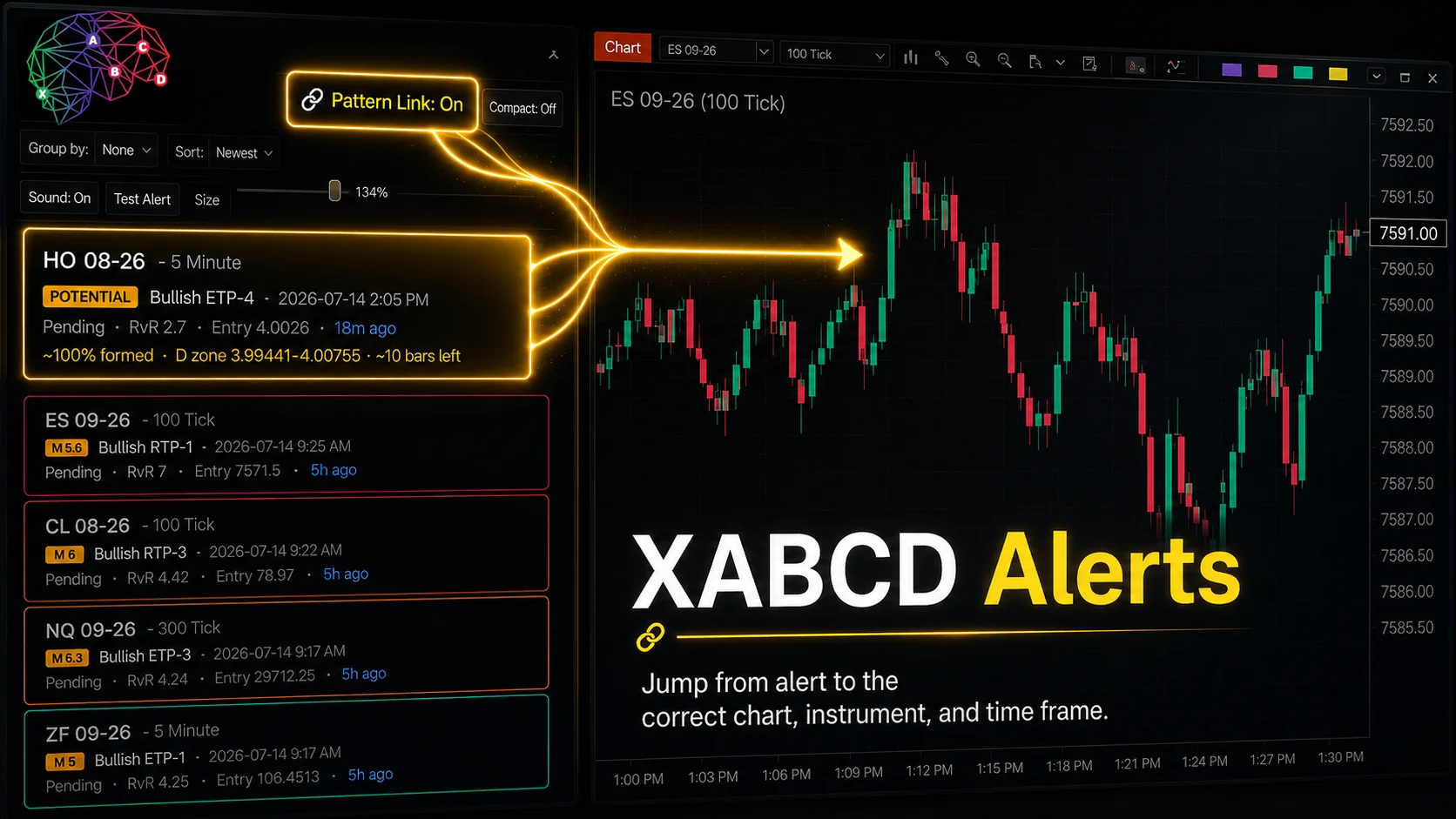
XABCD Pattern Alerts: The Complete Guide for Traders
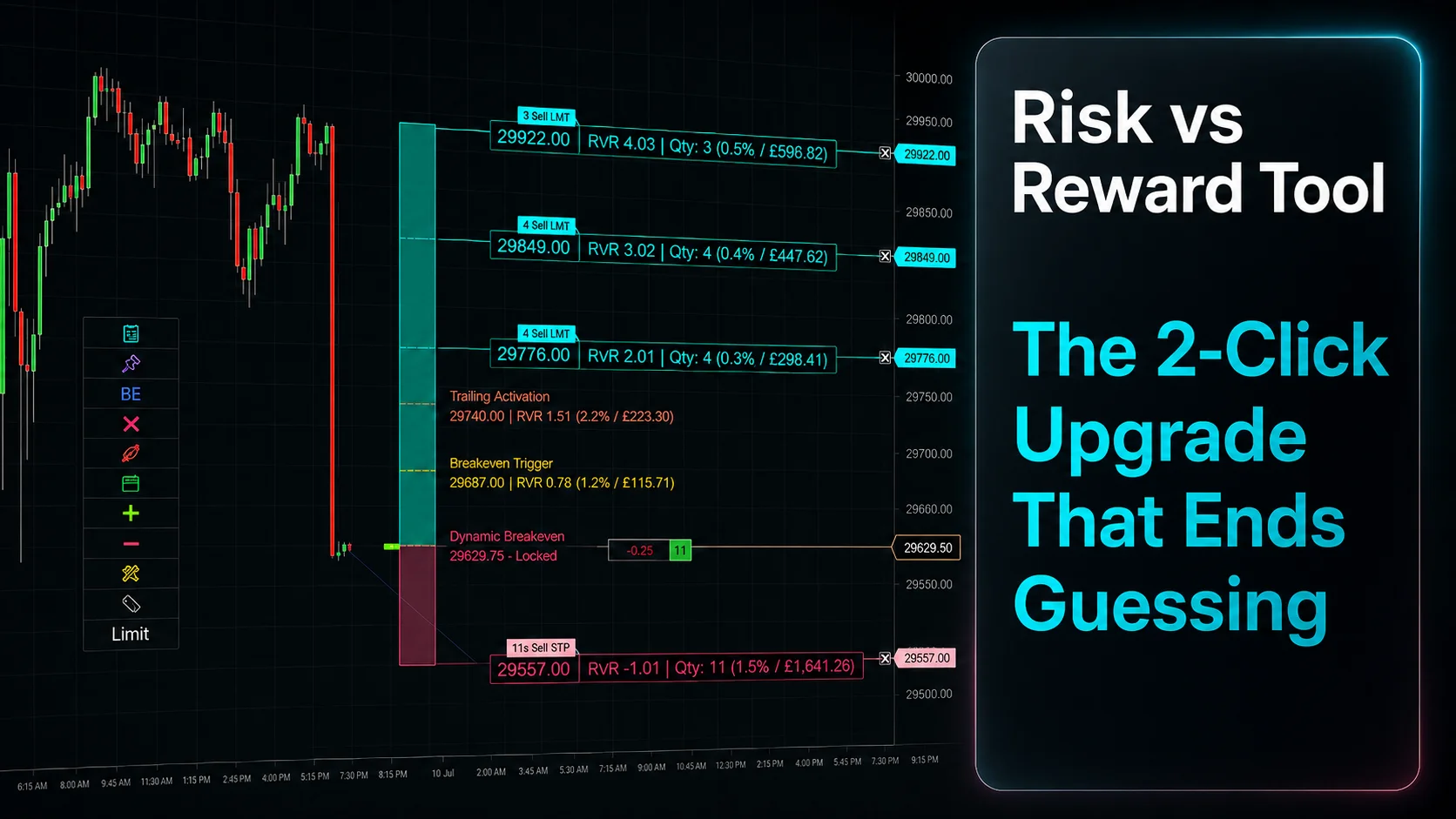
Risk vs Reward Tool: The 2-Click Upgrade That Ends Guessing
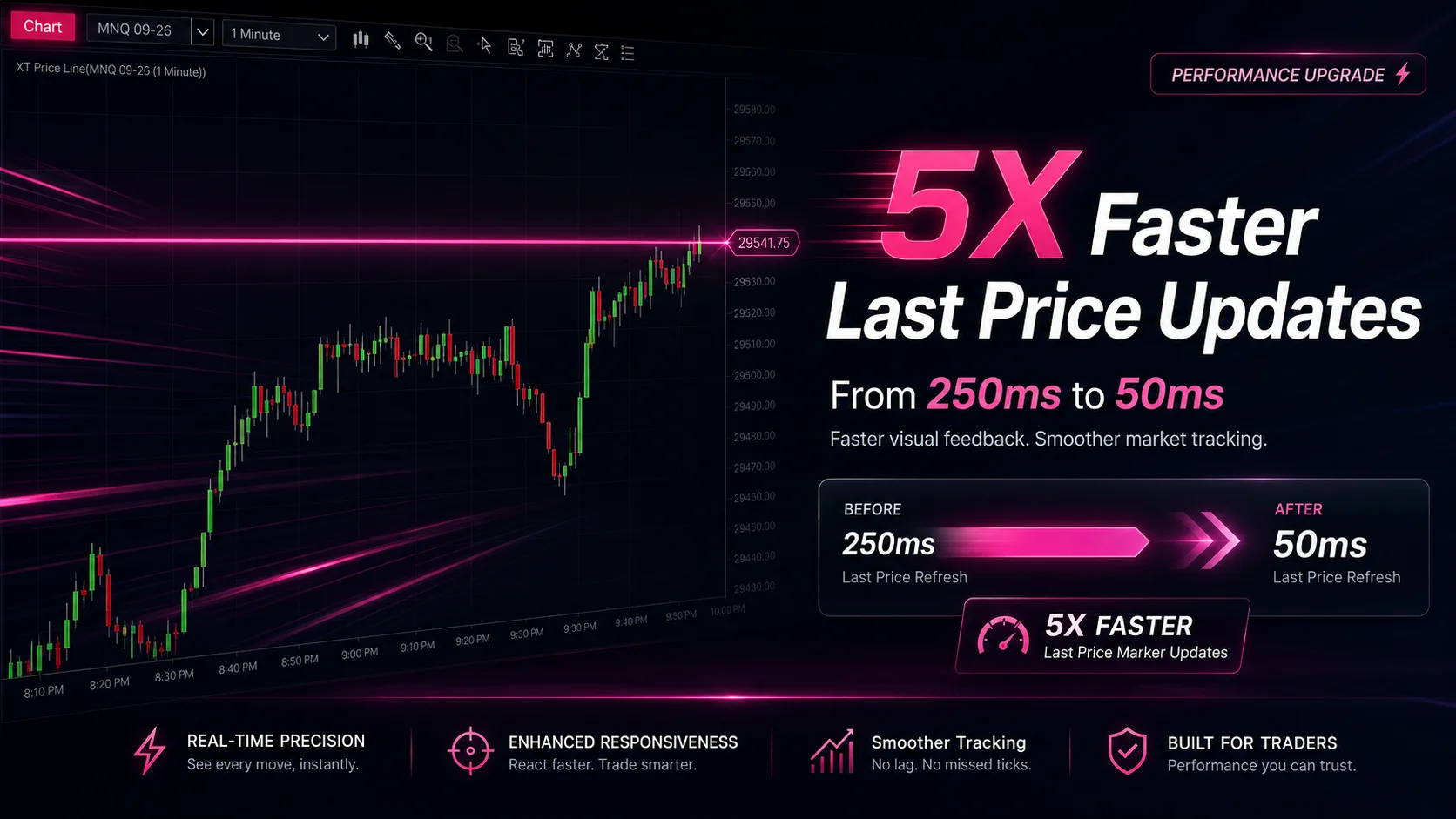
NinjaTrader Faster Last Price Updates on Charts Explained
NinjaTrader 8 Hotkeys: Best Shortcuts for Faster Trading