XABCD TRADING

Here Is How To Set The Right Trading Goals in 2025

Subscribe
to get alerts to our next blog post!
Achieving Realistic Trading Goals
Most people won't take the approach of setting trading goals from the beginning but if they do, often go for trading goals that are extremely high. If you're not sure about what goals you should be setting, using XABCD Patterns as a strategy can handle most of these important elements.
7 Steps To Setting Realistic Trading Goals:
- Don't set goals that are too low that cause you to be uninterested
- Don't set overly high goals that will cause you to risk to much capital
- Higher your goals, the higher your emotions
- Switch how you think about your goals top be more realistic
- Trade so your emotions are controlled
- Know your maximum risk levels ahead of time
- Sticking to your strategy is always paramount
Goals That Are Too Low:
Goals that are too low do not keep you excited enough to stick to your plan and for consistency in your trading. You end up getting bored and drifting. You look at different strategies or try to combine multiple strategies. Regardless your mind drifts and eventually so does your consistency and results.
An example of goals that would be too low:
- Demo trading is good, but after too long you could get board of it.
Goals That Are Too High:
Goals that are too large usually requires the traders to take trades that have high risk. High risk, high reward they say. Sadly the approach usually leaves the trader without much of an account as they can't withstand the normal ups and downs in the market. With any system that is sustainable your going to have series of winners and losers and if you can't sit through the losing trades because your risk is to big then you'll be left without an account. It's all about survival.
Realistic trading goals should be ones that you can actually hit. Otherwise you might be risking more just to hit these targets that can totally derail your trading.
Goals that are too large usually requires the traders to take trades that have high risk. High risk, high reward they say. Sadly the approach usually leaves the trader without much of an account as they can't withstand the normal ups and downs in the market. With any system that is sustainable your going to have series of winners and losers and if you can't sit through the losing trades because your risk is to big then you'll be left without an account. It's all about survival.

The chart above will show you a 5 year projection if you start out with 10,000. Each colored column is a different percent gain per month. 5%, 15% and 30%. So if you believe you can do 30% a month consistently, you will take 10,000 and turn it into 31.2 billion dollars in just 5 years.
What this should be telling you is that your goals should be realistic. I would like to think (and hope) that you do not see doing 30% a month realistic, month after month.
Switching How You Think:
How does one survive and also have big goals? First of all you need to switch your thinking from a goal being dollar driven to percent driven. Making 1500 a month might not seem like a lot but if that is 5 percent growth then your doing very well. Let's say you had been doing this on a 1 million dollar account. 5 percent is 50k. Given that most money managers charge a 25 percent performance fee your looking at making 12,500 for the same effort that you took to make your own 1500. You just need a 7 figure account to manage.
Baby Steps - Realistic Trading Goals One Step At A Time:
One step at a time. Get yourself to the point where you're able to do 5 percent a month growth without using any leverage on your account. When you do that keep it up for 6 months. If you need some further support you can consider checking out the membership details and what's included.
Frequently Asked Questions
What are realistic trading goals for beginners?
Realistic trading goals for beginners should focus on percent-based growth rather than dollar amounts. A good starting point is aiming for around 5 percent monthly growth without using any leverage, and maintaining that consistently for at least 6 months before scaling up. This approach keeps your risk manageable and helps you survive the normal ups and downs of the market.
Why should I set percent-based goals instead of dollar-based goals?
Switching from dollar-based to percent-based goals gives you a more accurate picture of your trading performance. Making $1,500 a month might not seem like much, but if that represents 5 percent growth, you're doing very well. The same 5 percent on a $1 million account would be $50,000, showing that the skill matters more than the dollar figure at your current account size.
How do I set realistic trading goals that keep me motivated?
Your goals should be high enough to keep you excited and engaged, but not so high that they force you into taking excessive risk. Goals that are too low can cause boredom, inconsistency, and drifting between strategies. Goals that are too high lead to overleveraging and potential account blowups, so the key is finding a balanced target that keeps your emotions controlled while maintaining your interest.
Is 30 percent a month a realistic trading goal?
No, 30 percent a month is not a realistic trading goal. If you started with $10,000 and compounded at 30 percent per month, you would theoretically turn it into $31.2 billion in just 5 years, which clearly illustrates how unrealistic that target is. Aiming for such high returns forces traders into high-risk positions that typically result in significant account losses.
What happens when trading goals are set too high?
When goals are set too high, traders are forced to take on excessive risk to try to hit their targets, which can totally derail their trading. With any sustainable system, there will be a series of both winning and losing trades, and if your risk per trade is too large, you won't be able to withstand the losing streaks. The higher your goals, the higher your emotions run, making it even harder to stick to your strategy.
New NinjaTrader Articles Delivered First
Recommended Video
Ditch NinjaTrader ATMs: This Is More Powerful
See how to set your risk and calculate contracts directly on the chart.
Watch Now
Subscribe on YouTube
Related Tool
XABCD Position Tool
Automatic position sizing and on-chart trade management.
Explore the Tool
Why XABCD Trading
- Built for NinjaTrader 8 since 2009
- Trusted by 2,000+ traders
- On-chart tools, no ATM templates needed
- Free tools to get started
Get Project Updates
Twice-monthly maximum, we will give you updates on all the projects going here.
Quick Links
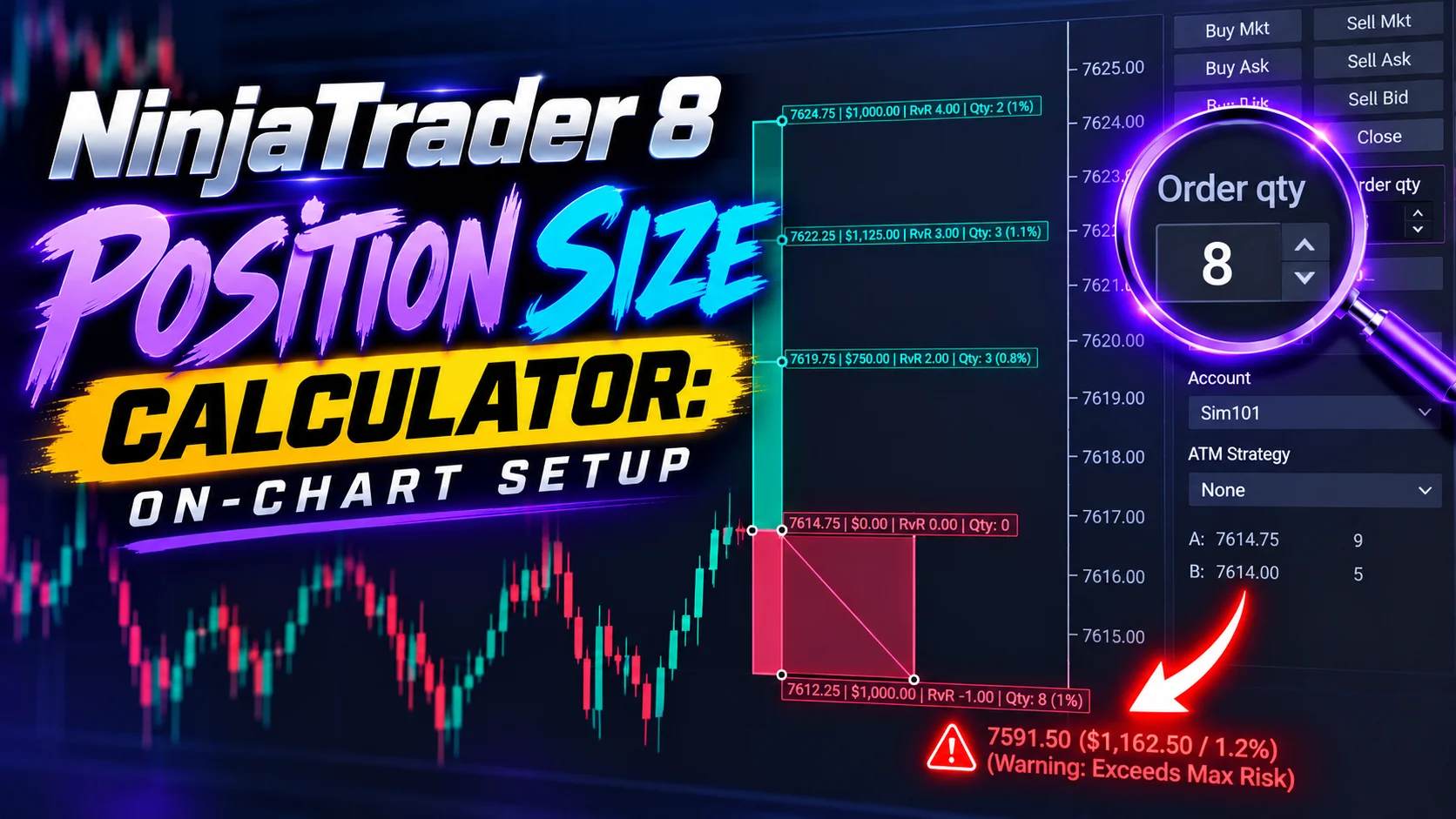
NinjaTrader 8 Position Size Calculator: On-Chart Setup
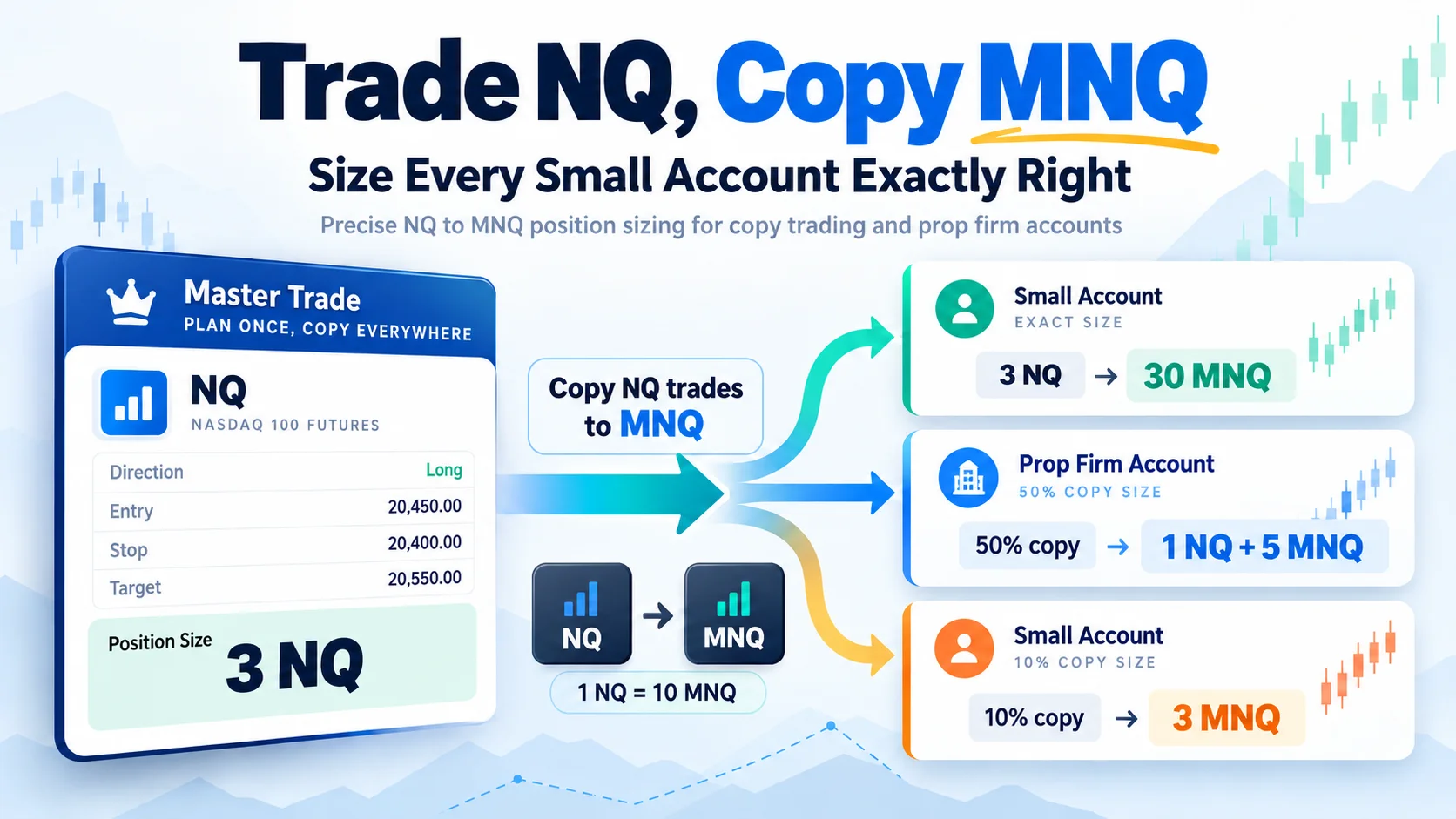
Trade NQ, Copy MNQ: Copy NQ Trades to MNQ in NinjaTrader 8
NinjaTrader Data Feed Not Updating? Quick Fixes
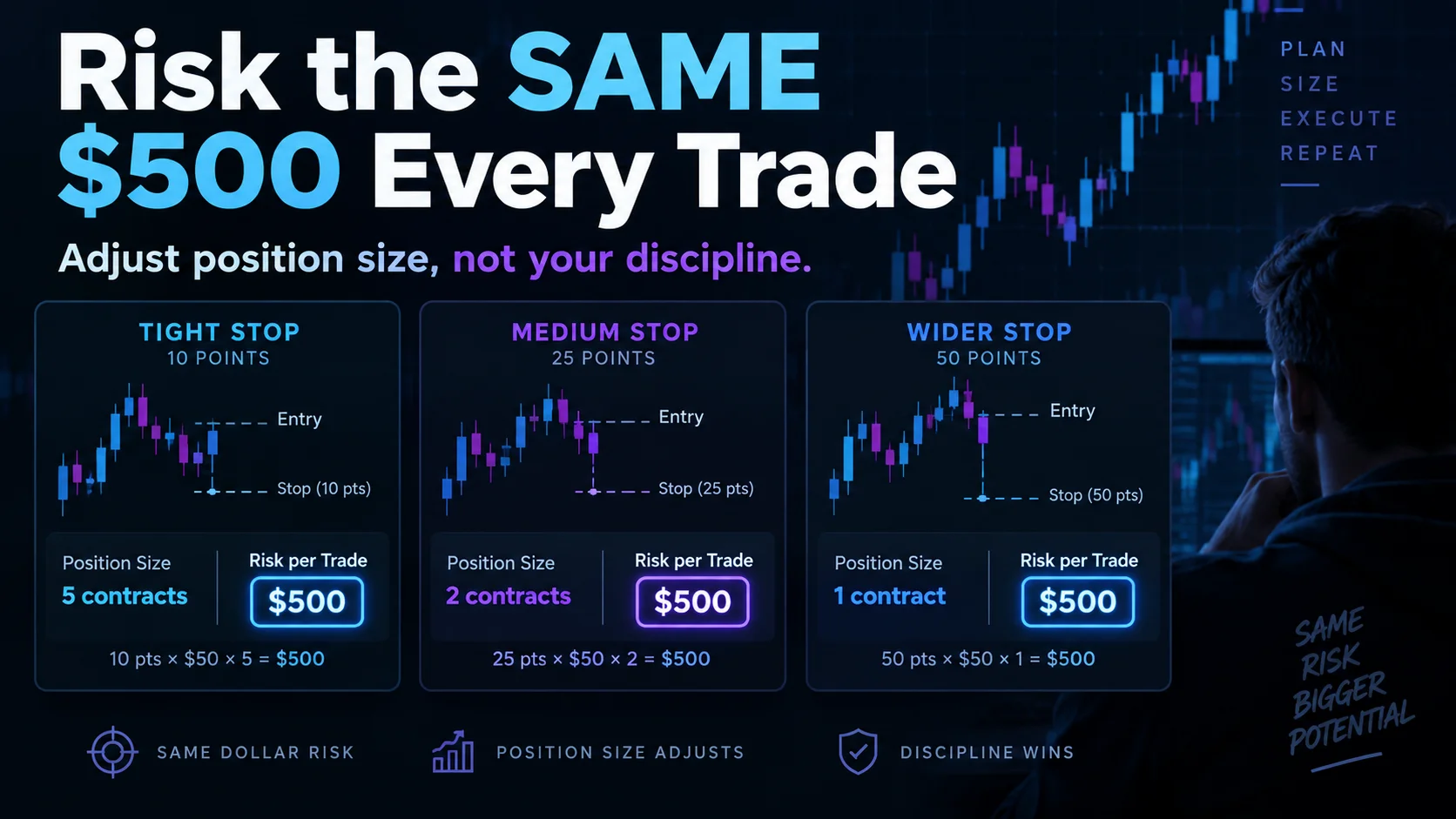
NinjaTrader Risk Per Trade: Risk $500 on Every Trade
NinjaTrader 8.1.8 Review: Should You Upgrade or Wait?
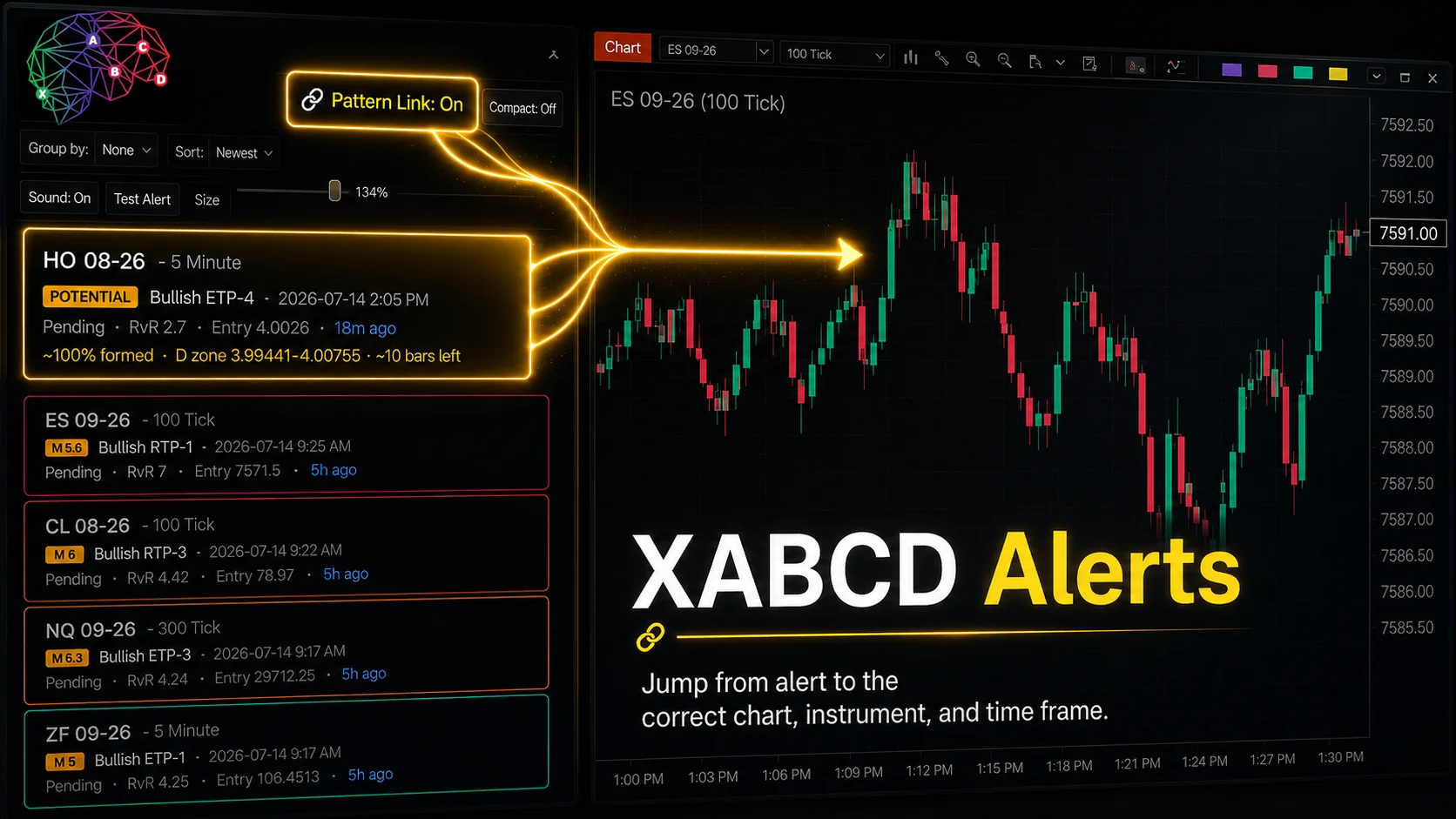
XABCD Pattern Alerts: The Complete Guide for Traders
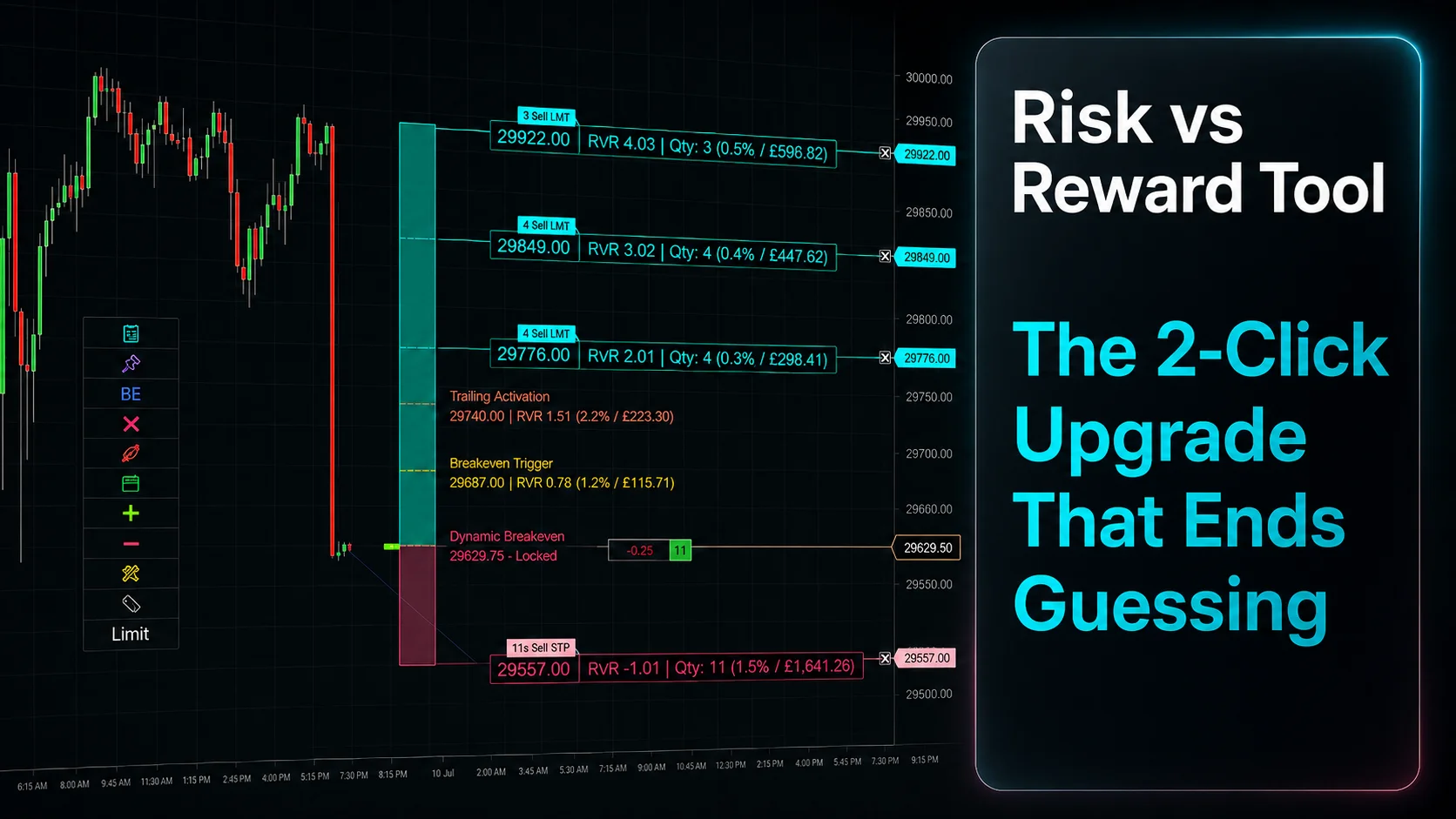
Risk vs Reward Tool: The 2-Click Upgrade That Ends Guessing
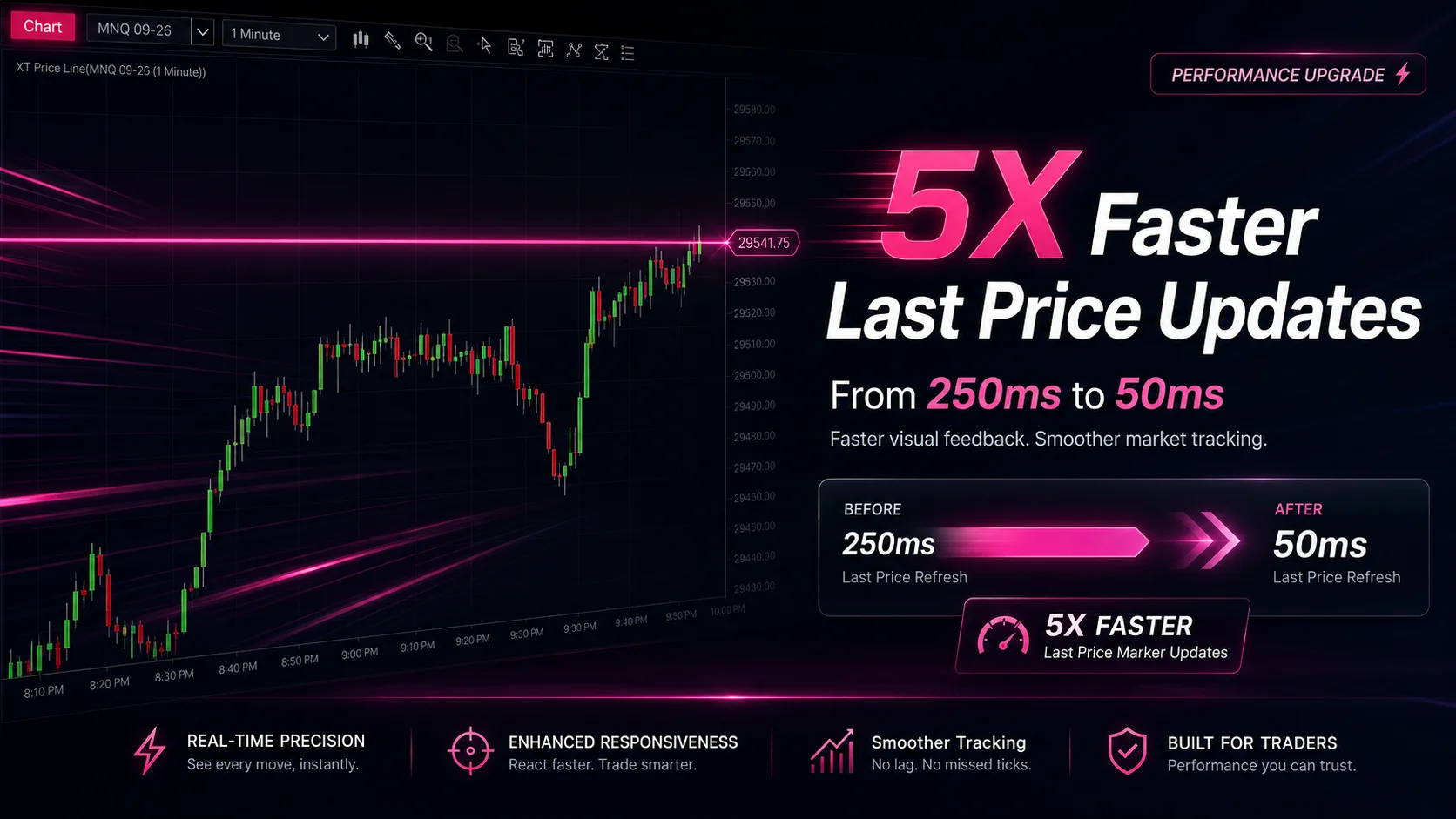
NinjaTrader Faster Last Price Updates on Charts Explained
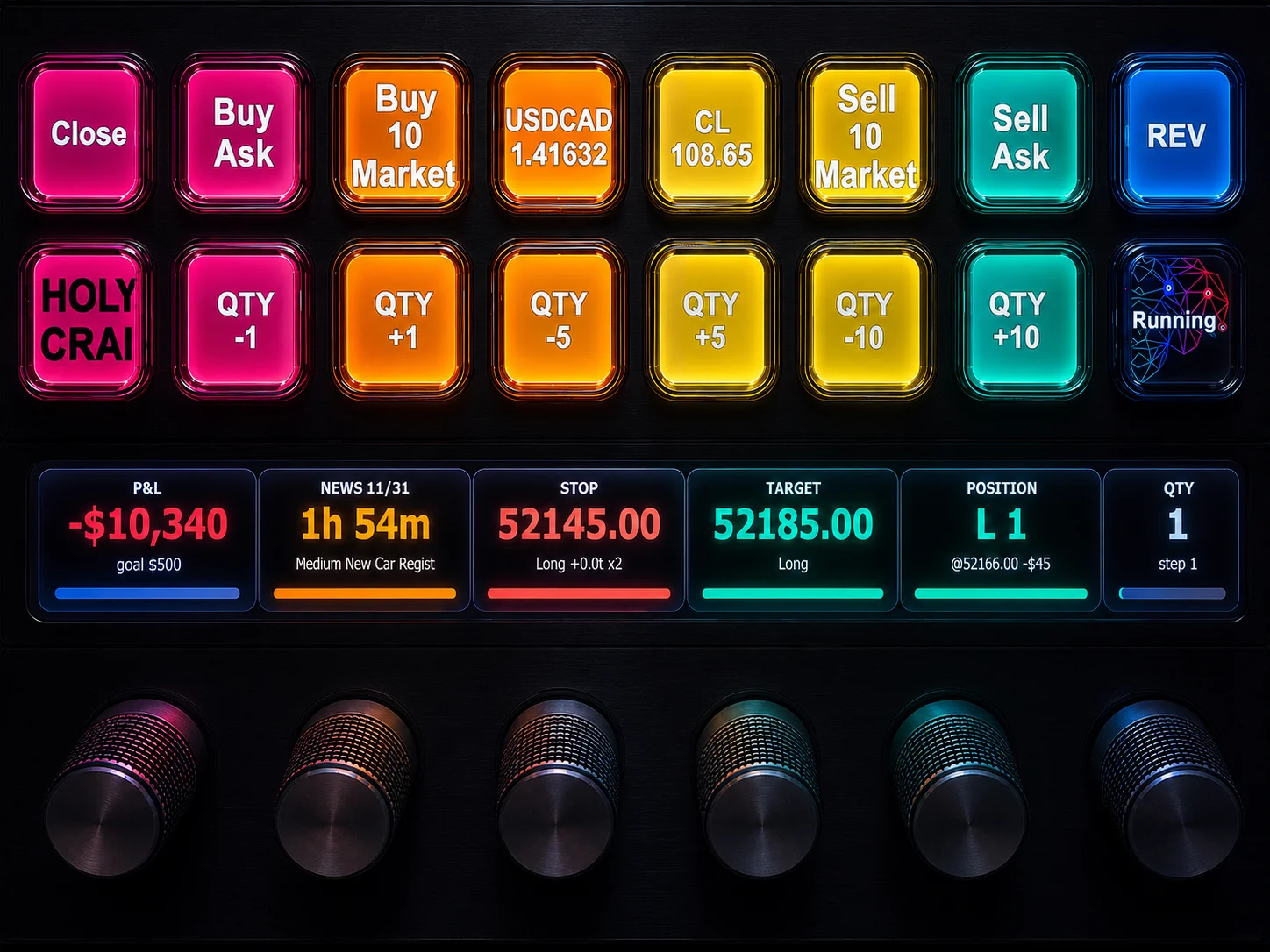
NinjaTrader 8 Hotkeys: Best Shortcuts for Faster Trading