XABCD TRADING

Short Term Trading – What You Need To Know

Subscribe
to get alerts to our next blog post!
Short Term Trading: The Time Frame You Trade Can Make or Break You
Short term trading does have some key advantages. That doesn't mean it doesn't have their own set of challenges. The time frame you trade could say a lot about you as a person too. Someone who trades a shorter term time frame could have a shorter attention span or they might not want to be exposed to additional risk.
Advantages of Short Term Trading:
The reason you can minimize your exposure in the market is because you're not holding trades for long and thus weekends and holding overnight are not as much of a risk to you. Often times G7, G8 meetings or elections all can take place over a weekend.
If you get alerted to patterns we scan for in the market you will notice that the 5 minute charts (because there are so many) appear often every 15 to 30 minutes. We've heard from people with a low attention span that this could fit their personality very well.
Disadvantages of Short Term Trading:
Burnout will most probably lead you down a road of poor decisions. Ultimately leading to mistakes and inconsistencies. Of course, this would not apply to everyone but we hear from many people that this eventually happens even if they've been trading for some time. Feel free to share your own experiences in the comments below.
Poor Risk vs Reward: When we talk about quantity of patterns we mostly get poor quality risk vs rewards. You can see that on our pattern statistics page page where you can view the total number of patterns and then look at the RvR (Risk vs Reward) column for each one. There are far less patterns that have a risk vs reward of at least 2:1. That would mean that your reward is twice as big as whatever you are risking.
Are there any we missed?
Better Know Your Plan Cold! When you trade a smaller time frame chart you're going to need to expect yourself to react more quickly. This requires you to know your trading plan cold. There is no room for mistakes because everything from where you get in, to how you reduce your risk and finally map out your trade needs to be known well before you even enter the trade. Nothing can or should shock you. This is totally different than trading a 4-hour pattern where it could be 12 hours before you have to do anything to manage your trade.
We would love to hear from you. Are there any pro's or con's that we missed when trading smaller time frames?
Frequently Asked Questions
What is short term trading?
Short term trading is an investment strategy where positions are held for a brief period, typically ranging from a few seconds to several weeks, to capitalize on small price movements. Unlike long-term investing, it relies heavily on technical analysis, market timing, and quick decision-making to generate profits from frequent trades.
How is short term trading different from day trading?
Day trading is actually a subset of short term trading where all positions are opened and closed within the same trading day. Short term trading is a broader category that also includes swing trading, which involves holding positions for several days or weeks. Both strategies focus on profiting from short-lived price fluctuations rather than long-term growth.
How are short term trading profits taxed?
In the United States, profits from short term trading on assets held for one year or less are taxed as ordinary income, which means they are subject to your regular income tax bracket. This is generally higher than the long-term capital gains tax rate, which applies to assets held for more than one year. Traders should keep detailed records of all transactions for accurate tax reporting.
What are the best strategies for short term trading?
Popular short term trading strategies include scalping, momentum trading, swing trading, and breakout trading. These strategies typically rely on technical indicators such as moving averages, relative strength index (RSI), and volume analysis to identify entry and exit points. Successful traders also use strict risk management techniques like stop-loss orders to limit potential losses on each trade.
Is short term trading riskier than long term investing?
Yes, short term trading is generally considered riskier than long-term investing because it exposes traders to greater market volatility and requires rapid decision-making under pressure. Transaction costs from frequent buying and selling can also erode profits significantly. However, experienced traders who apply disciplined risk management and well-tested strategies can potentially mitigate some of these risks.
New NinjaTrader Articles Delivered First
 (opens in a new tab)
Easy Order Tool
The Strategy


Scanning & Alerting

NinjaTrader Release
XABCD News (Free Version)
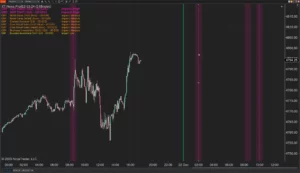
XABCD News (Community Edition) is the best free Indicator for NinjaTrader 8. Don't let news sneak up on you again. Puts economic news events on your charts so you can stay informed and move around positions/stops before the news is released. Works in any market.
XABCD Priceline (Free)
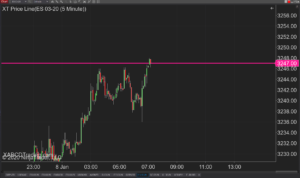
XABCD Price Line tool for NinjaTrader 8 will draw a line at current price and move every time the market changes price. This is useful because it will allow you to easily identify where price is at all times and the exact quoted price.
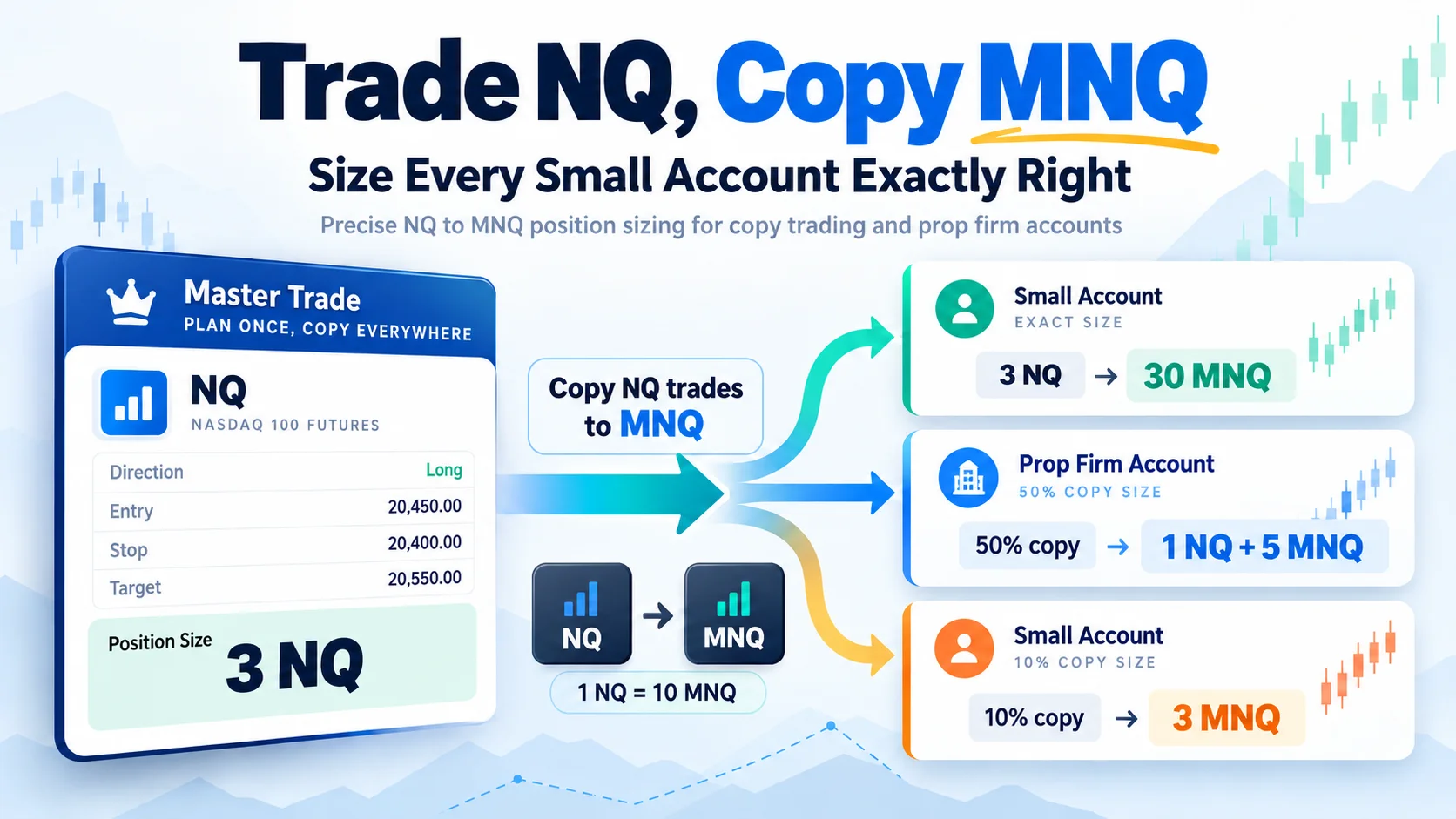
Trade NQ, Copy MNQ: Copy NQ Trades to MNQ in NinjaTrader 8
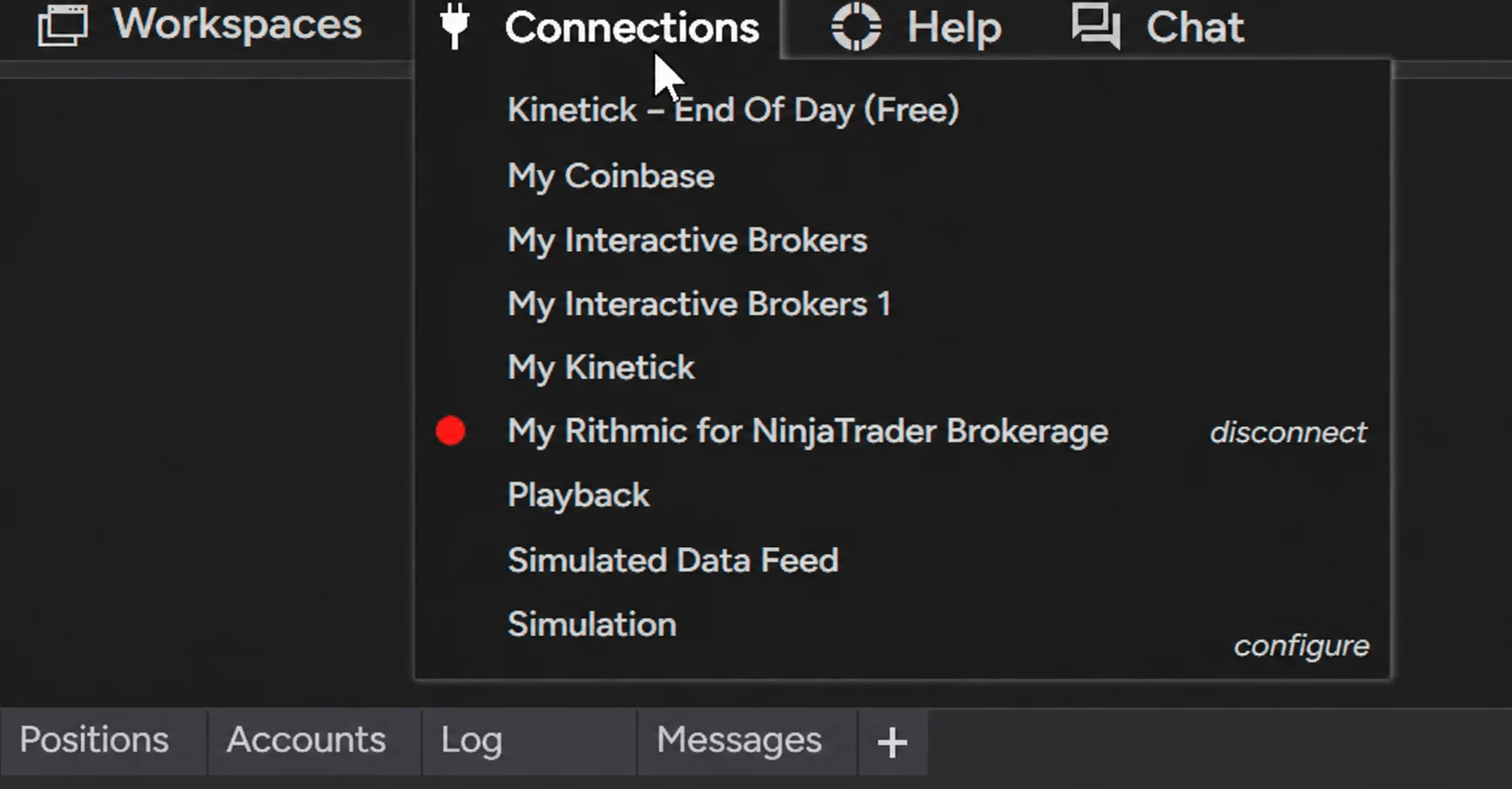
NinjaTrader Data Feed Not Updating? Quick Fixes
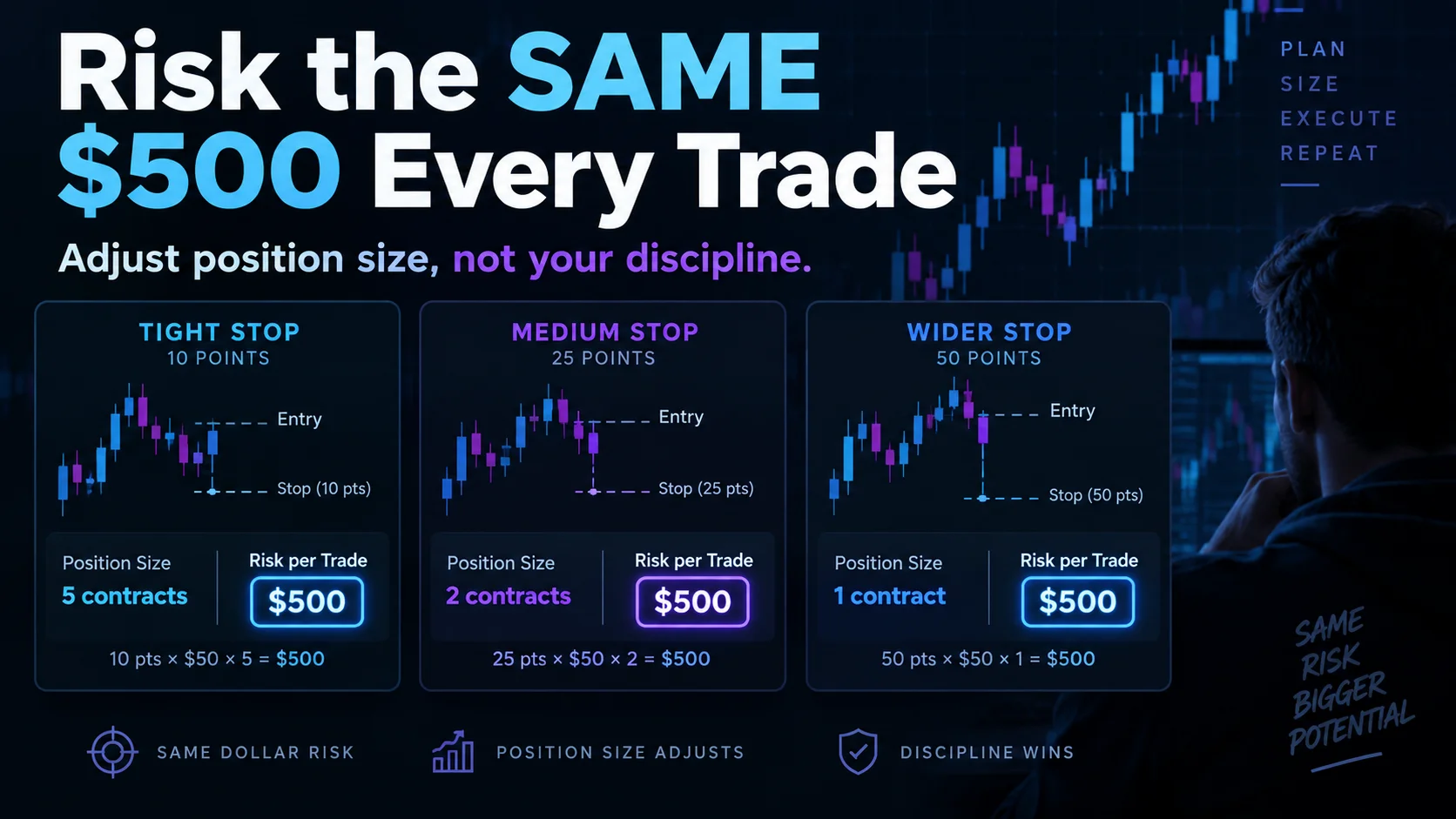
NinjaTrader Risk Per Trade: Risk $500 on Every Trade
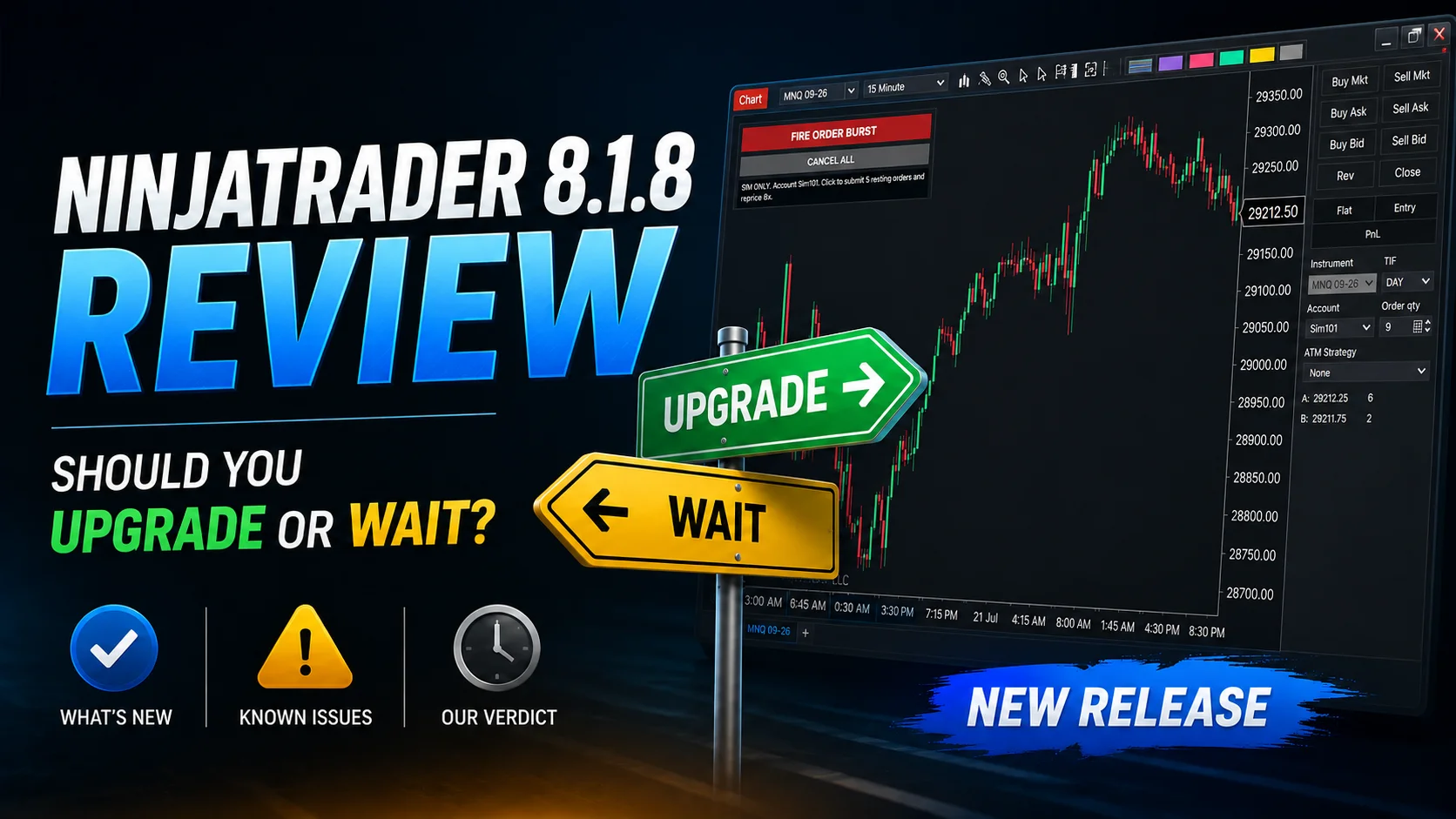
NinjaTrader 8.1.8 Review: Should You Upgrade or Wait?
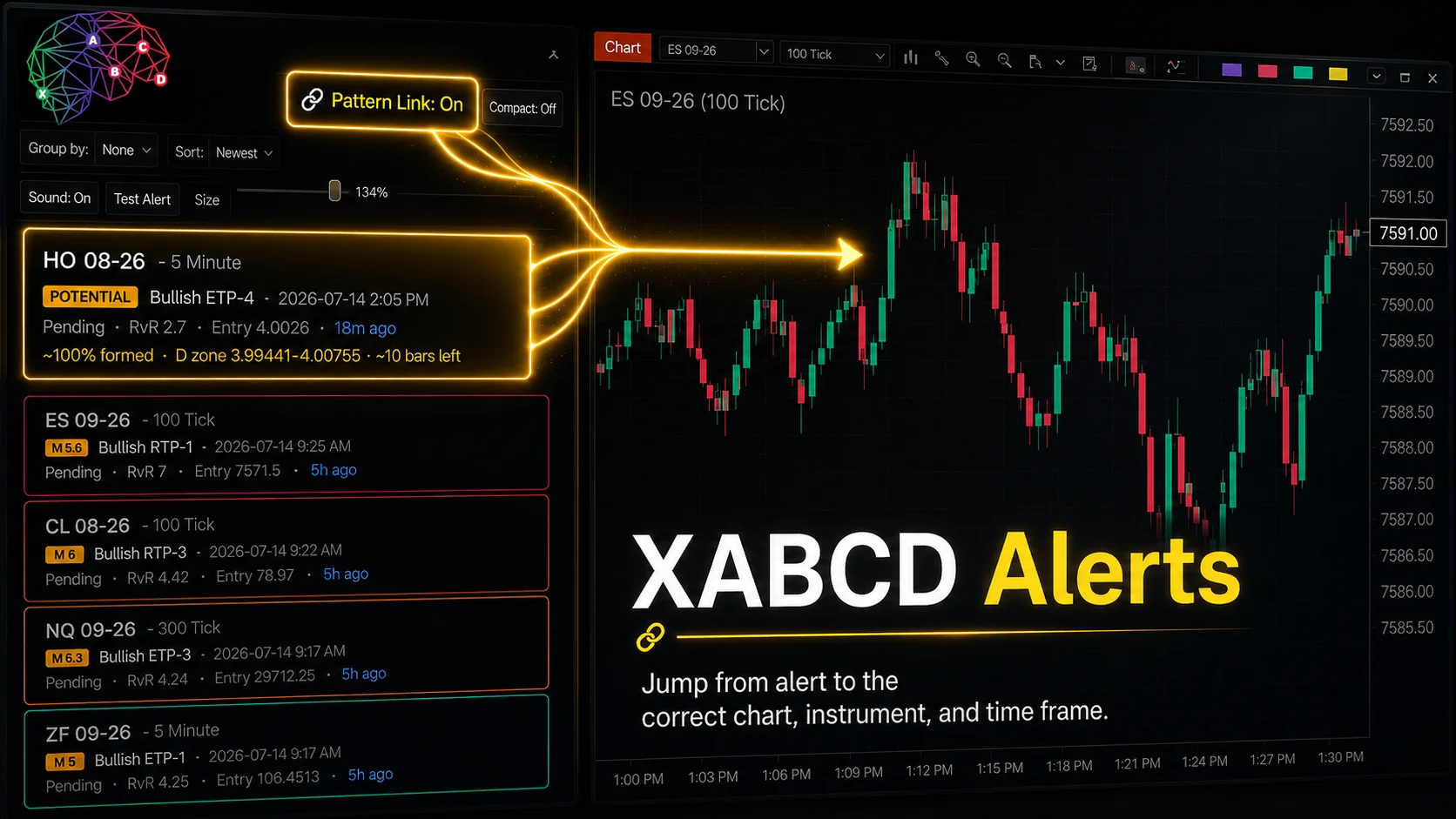
XABCD Pattern Alerts: The Complete Guide for Traders
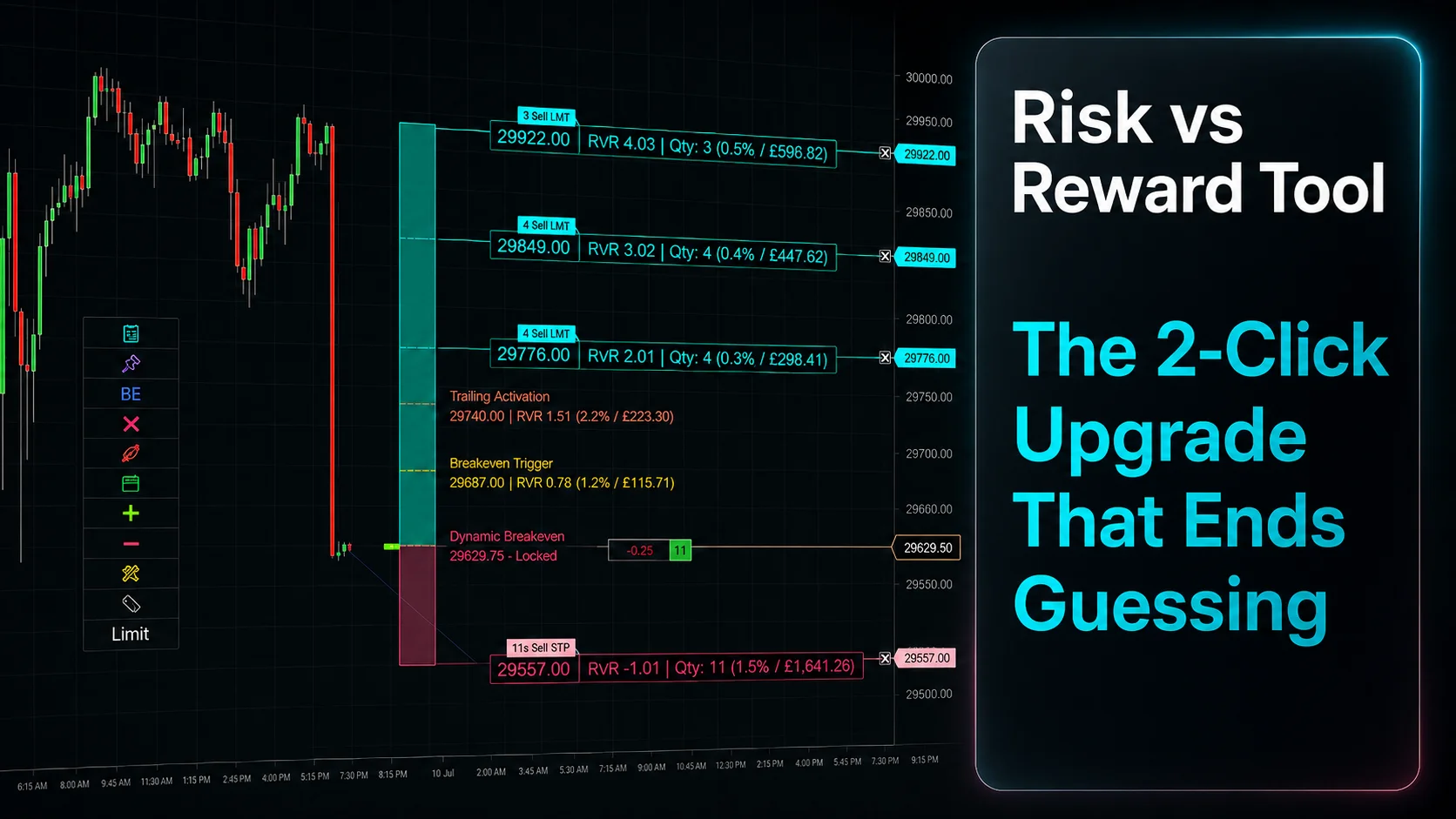
Risk vs Reward Tool: The 2-Click Upgrade That Ends Guessing
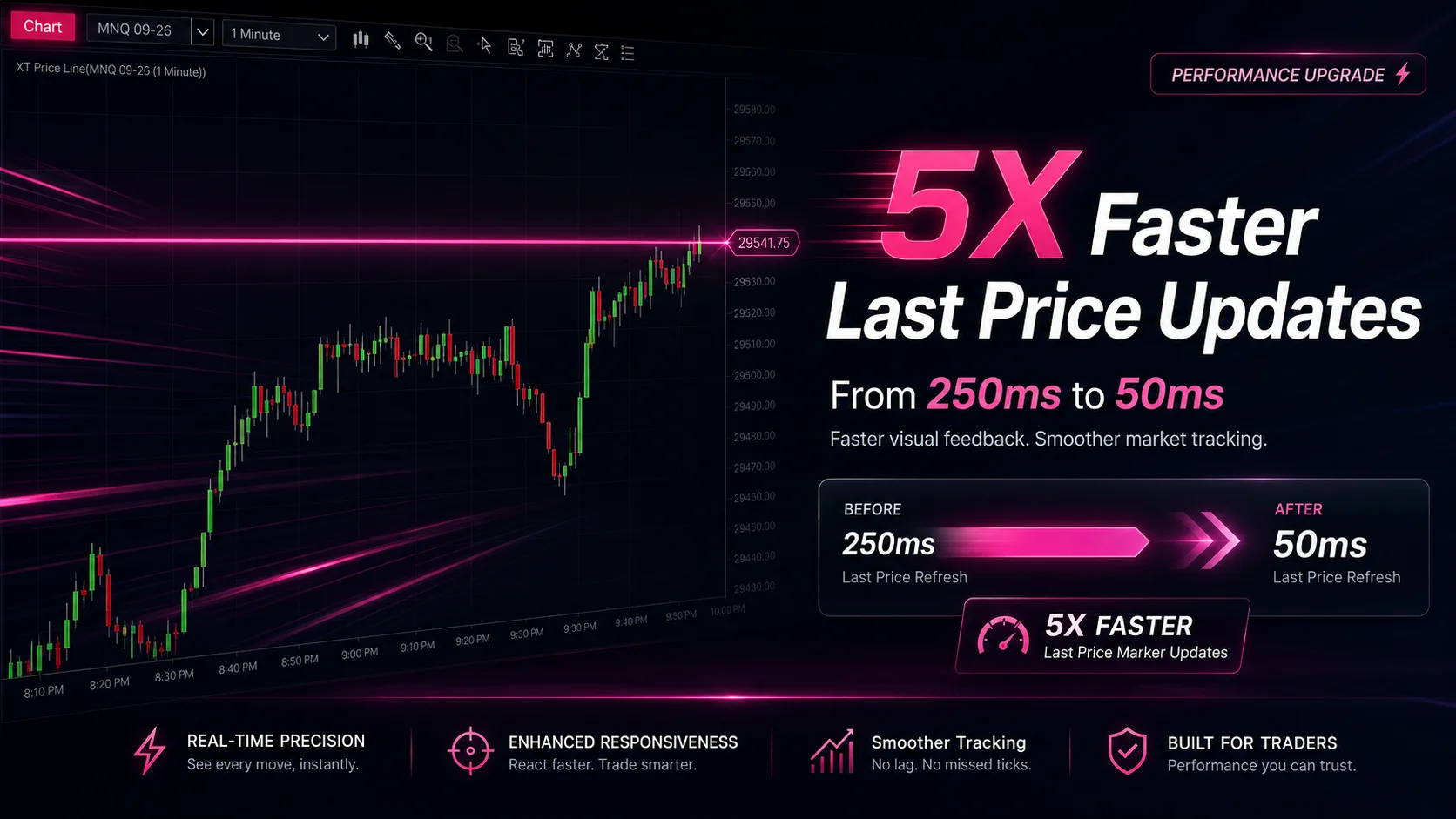
NinjaTrader Faster Last Price Updates on Charts Explained
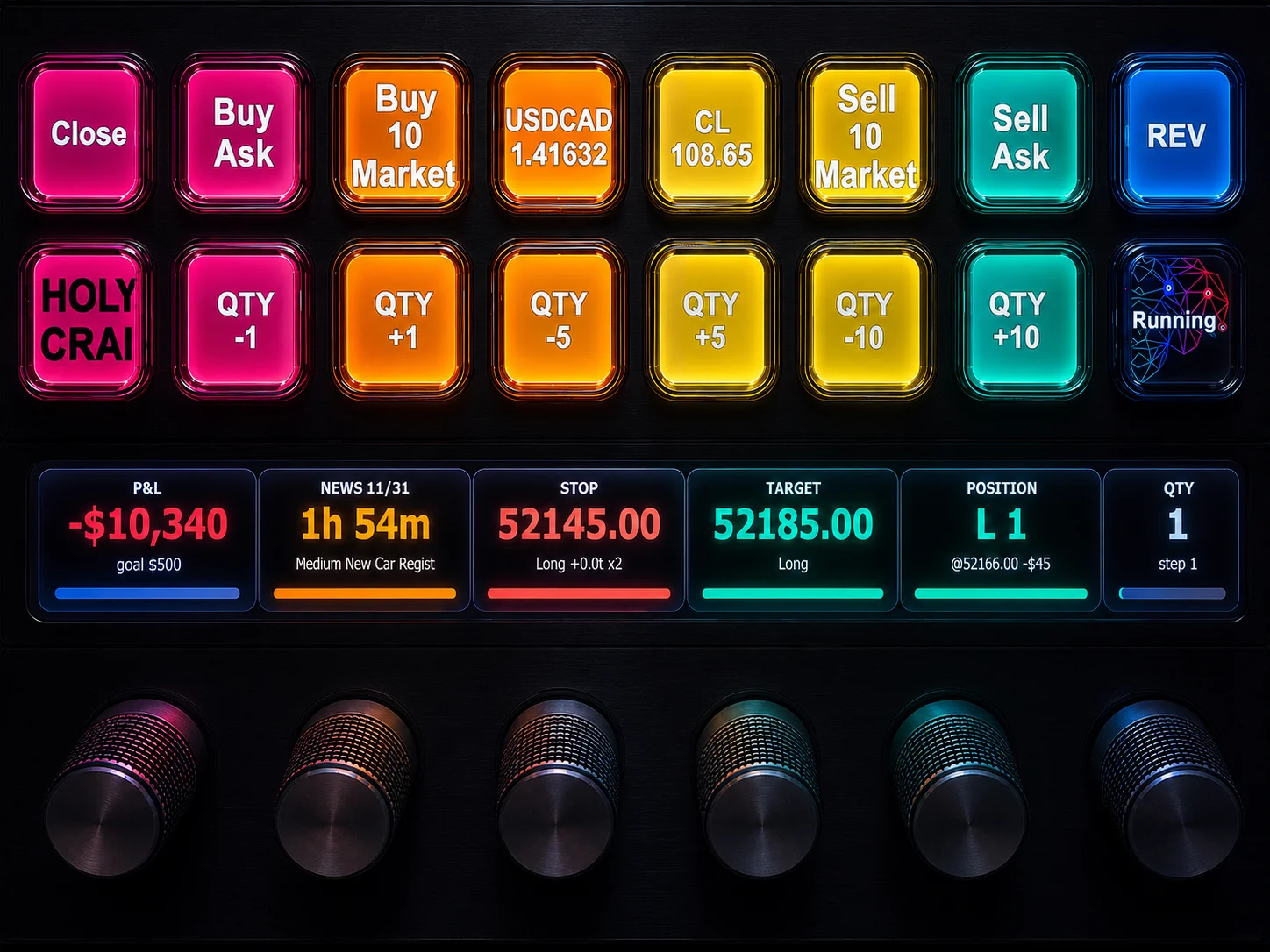
NinjaTrader 8 Hotkeys: Best Shortcuts for Faster Trading
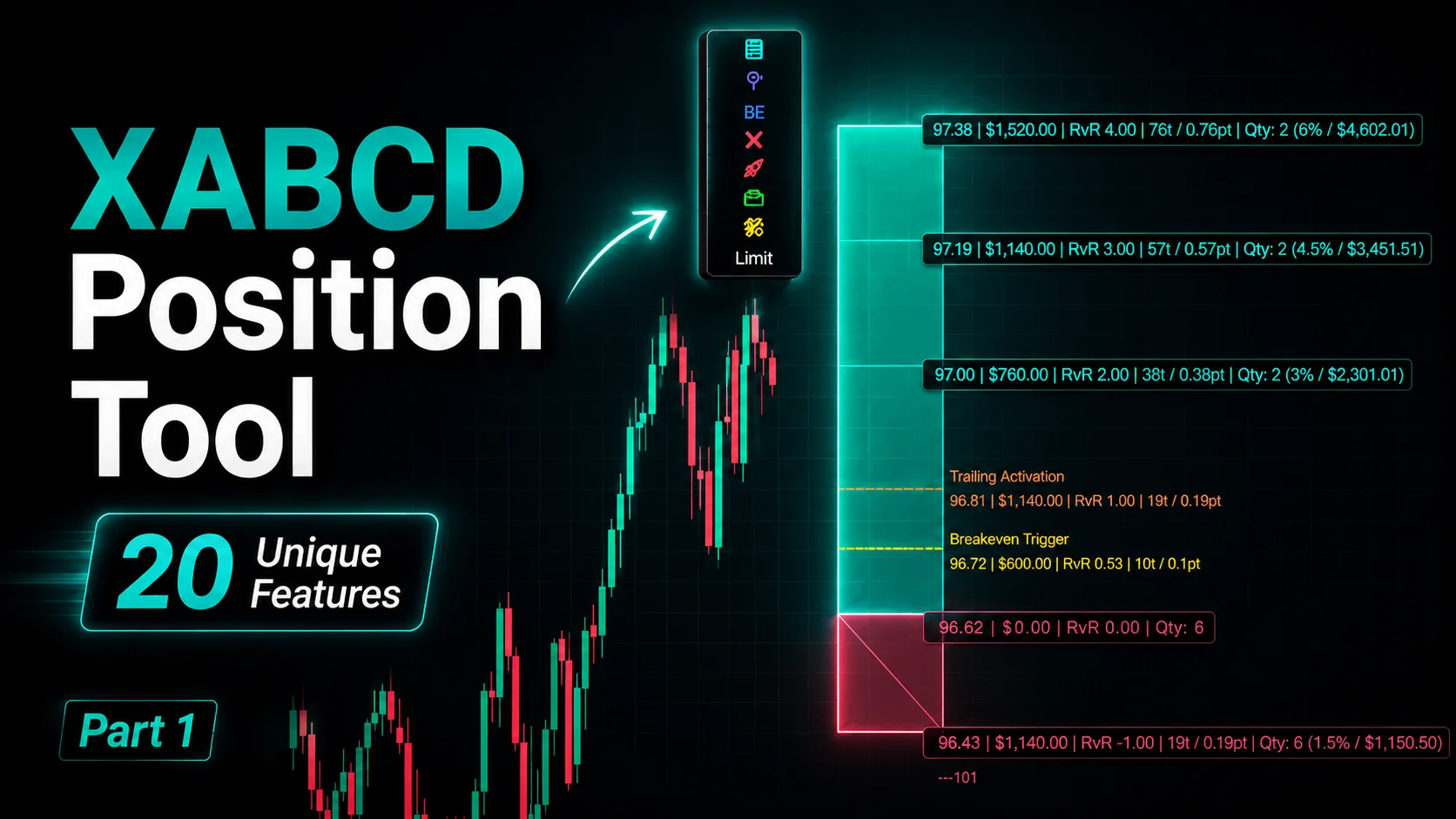
NinjaTrader Position Sizing Tool: 64 Features Stock NT8 Does Not Include