XABCD TRADING

Moving Stop Loss To Breakeven +1? Consider This Before You Do.

Subscribe
to get alerts to our next blog post!
Consider This When Moving A Stop Loss
Moving a stop to breakeven is usually the number one goal after entering the market. The purpose is to remove as much risk off the table as you possibly can so you're not as exposed. Although how you do it can put some bad habits into your trading that might be difficult to undo.
What is Breakeven +1?
Just to make sure we're all on the same page, moving a stop to breakeven trade is when your stop loss is at the same level as your entry point. The purpose is to have zero risk where if price came back and stopped you out you would not lose any money.
There is nothing wrong with a break even trade. In fact many people have one signal goal after entering into the market which is to get to that break even stage since if price pulls back you won't have a loss.
So Why The +1 for Moving A Stop?
As it turns out, you will see this by a lot of traders who are pretty new to trading. They decide instead of "getting nothing for it", they want "something" and so they put their stop a tiny bit higher. The +1 would assume it's forex and they are locking in 1 more pip higher than break even. On a standard contract this would be locking in $10 worth of profit.
Why is the +1 Such A Bad Idea?
Psychological Issue #1 - The Need to Win
There is nothing wrong with the theory, but how it could effect you might be where the biggest problem is with this sort of thinking.
Consider:
If you need to at least get 1 pip out of the market than that would tell most people that you have a hard time accepting a trade where you don't make any money - meaning, you must win.If you have done this before and care to share about your own experiences then leave a comment below as I'd love to hear your story!
Psychological Issue #2 - Dirty Data
By taking such a small profit you're going to mess around and ruin a lot of your statistics. Your win ratio will be a lot higher, your average winner will be a lot smaller and all of these things will lead to dirty data.
When you have dirty data you will find it harder to find your mistakes (it might even be impossible) which will lower your chance at succeeding. Your data should be as clean as possible with the most consistent actions you can make. Doing all this will allow you to analyze data that will actually help you instead of using false data.
Have You Done This Before When Moving A Stop?
Having a "must win" attitude is going to get you very frustrated as I'm pretty confident that there isn't a strategy out there that wins all the time. Losses are a part of this game, and in fact getting good at losing can help you out more than polishing your winners and patting yourself on the back.
Frequently Asked Questions
What does moving a stop mean in trading?
Moving a stop refers to adjusting a stop-loss order to a new price level after a trade has been opened. Traders typically move their stop to lock in profits or reduce risk as the market moves in their favor. This technique is a key part of active trade management and risk control.
When should you consider moving a stop loss?
You should consider moving a stop loss when the price has moved significantly in your favor and you want to protect unrealized gains. Common triggers include the price reaching a key support or resistance level, achieving a specific risk-to-reward ratio, or after a strong momentum move confirms your trade direction.
Is moving a stop to breakeven a good strategy?
Moving a stop to breakeven is a popular strategy because it eliminates the risk of a loss on the trade. However, it can sometimes result in being stopped out prematurely during normal market fluctuations before the trade reaches its full profit target. It works best when the price has moved far enough to make a return to your entry unlikely.
What is a trailing stop and how does it work?
A trailing stop is an automated method of moving a stop loss that follows the market price by a fixed distance or percentage. As the price moves in your favor, the stop adjusts upward for long positions or downward for short positions, but it never moves against you. This allows traders to capture larger trends while still protecting profits.
What are common mistakes when moving a stop order?
Common mistakes include moving the stop too close to the current price, which leads to premature exits from normal volatility, and moving it in the wrong direction to give a losing trade more room. Traders should also avoid moving stops based on emotion rather than a predefined plan, as this can undermine disciplined risk management.
New NinjaTrader Articles Delivered First
 (opens in a new tab)
Easy Order Tool
The Strategy


Scanning & Alerting

NinjaTrader Release
XABCD News (Free Version)
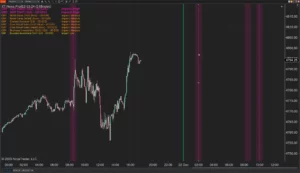
XABCD News (Community Edition) is the best free Indicator for NinjaTrader 8. Don't let news sneak up on you again. Puts economic news events on your charts so you can stay informed and move around positions/stops before the news is released. Works in any market.
XABCD Priceline (Free)
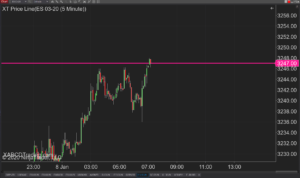
XABCD Price Line tool for NinjaTrader 8 will draw a line at current price and move every time the market changes price. This is useful because it will allow you to easily identify where price is at all times and the exact quoted price.
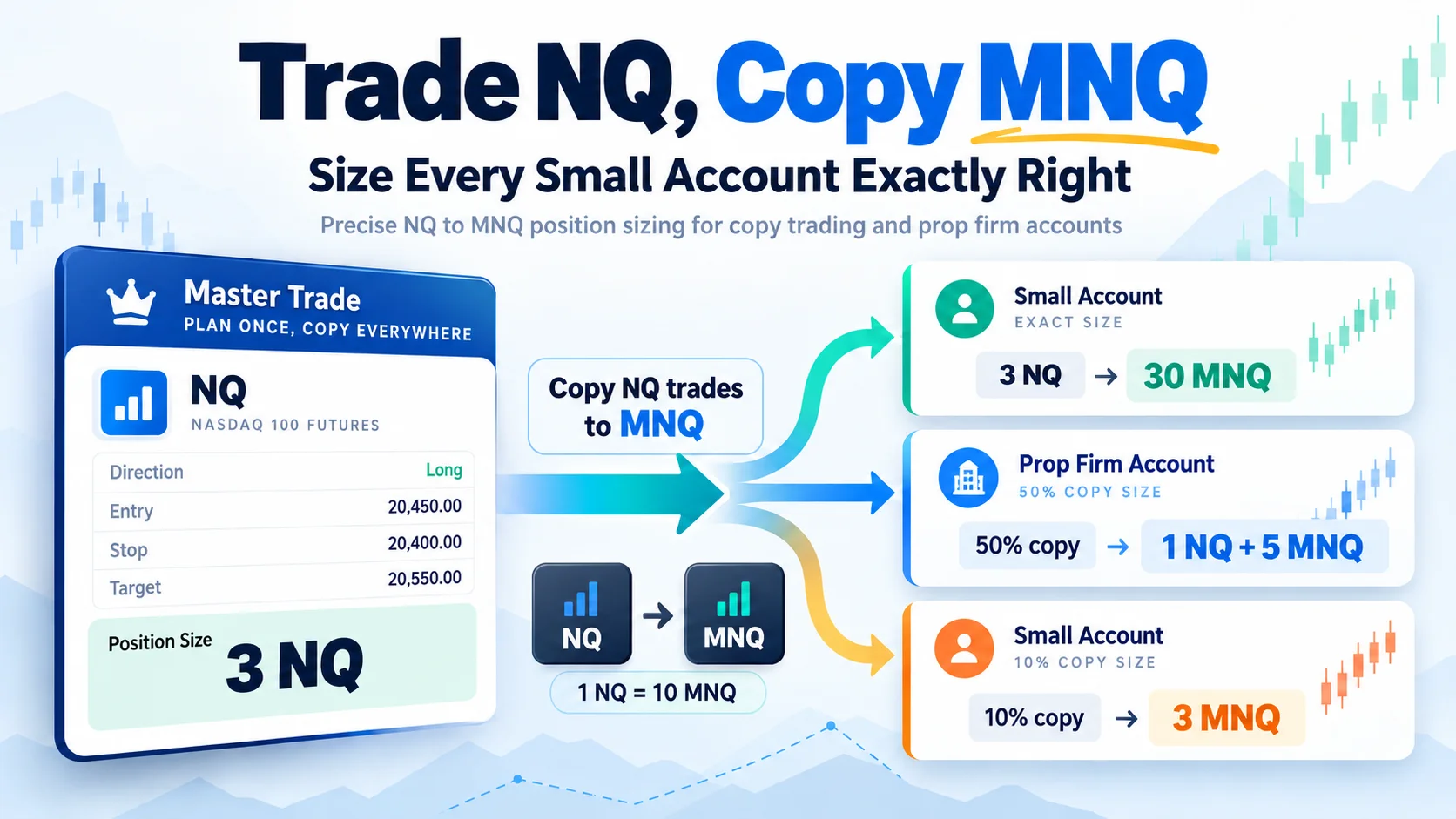
Trade NQ, Copy MNQ: Copy NQ Trades to MNQ in NinjaTrader 8
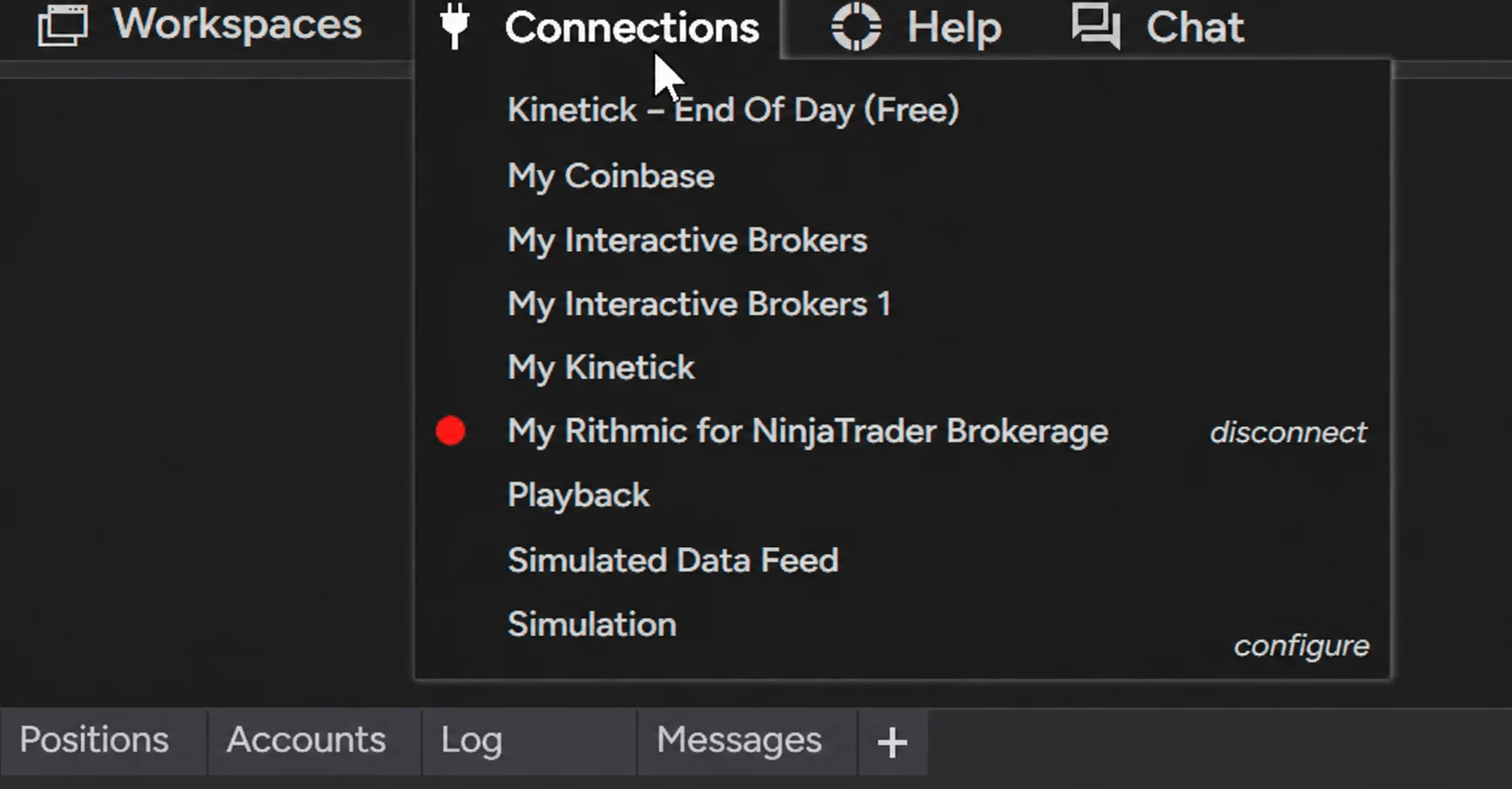
NinjaTrader Data Feed Not Updating? Quick Fixes
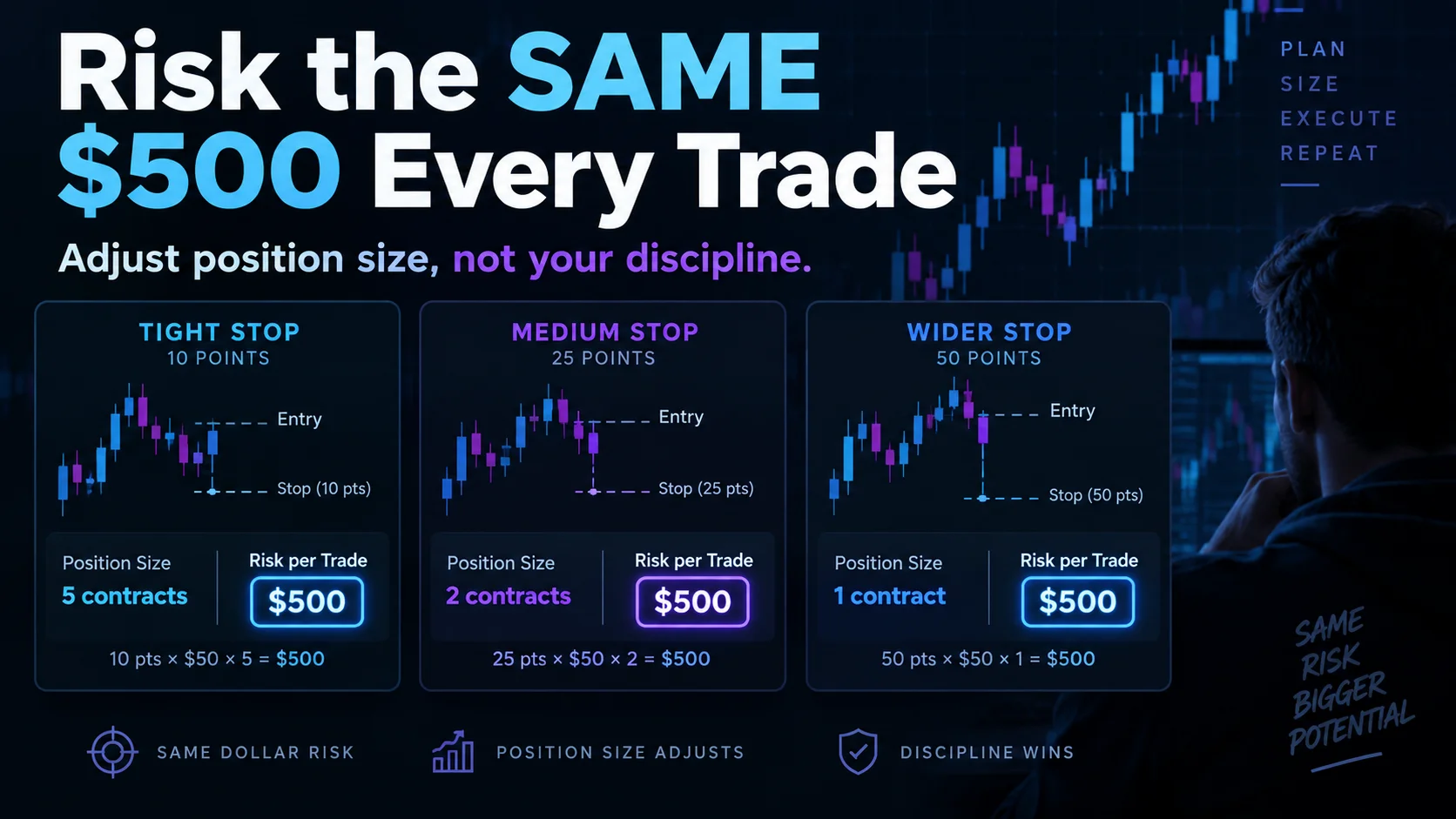
NinjaTrader Risk Per Trade: Risk $500 on Every Trade
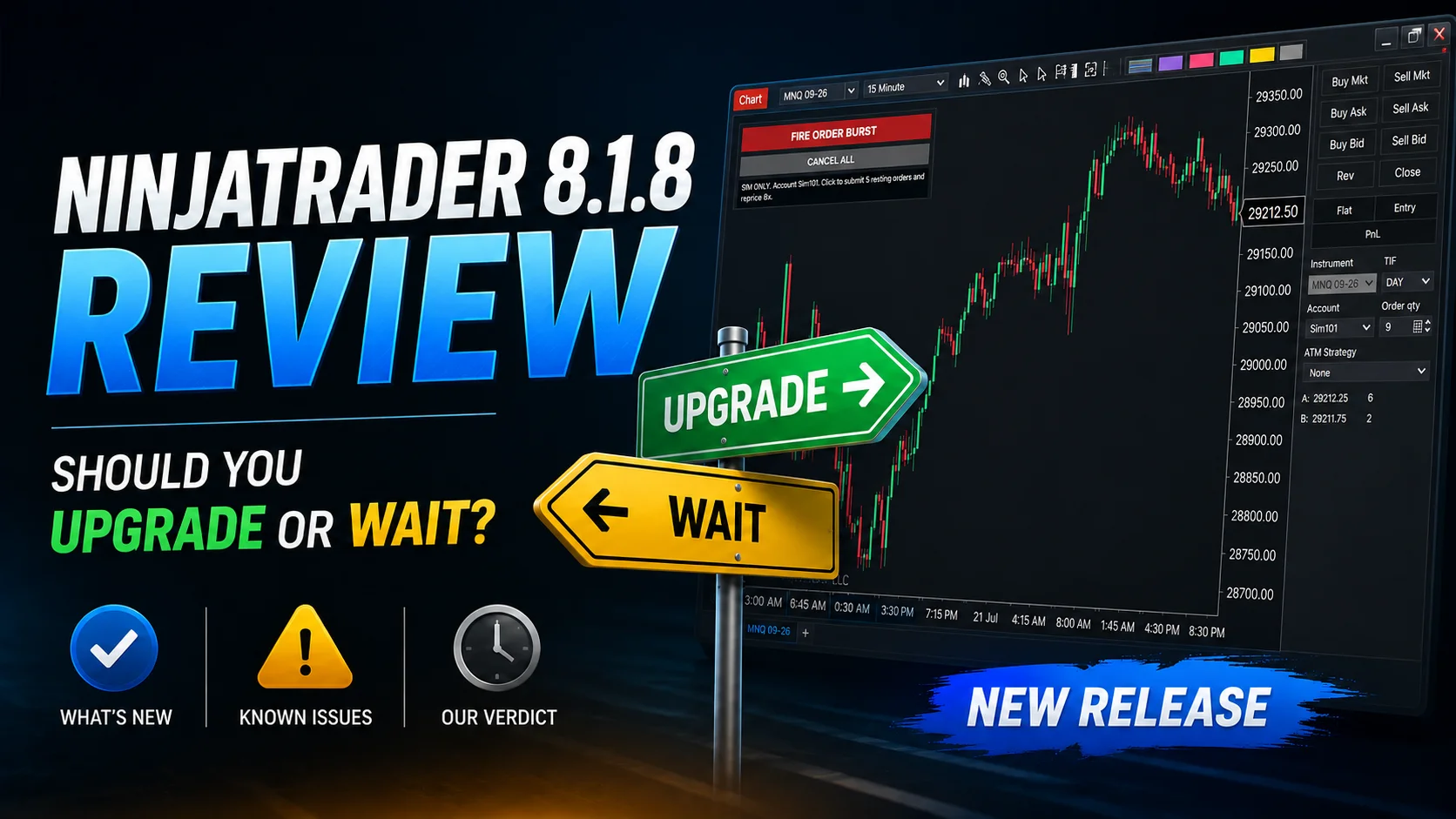
NinjaTrader 8.1.8 Review: Should You Upgrade or Wait?
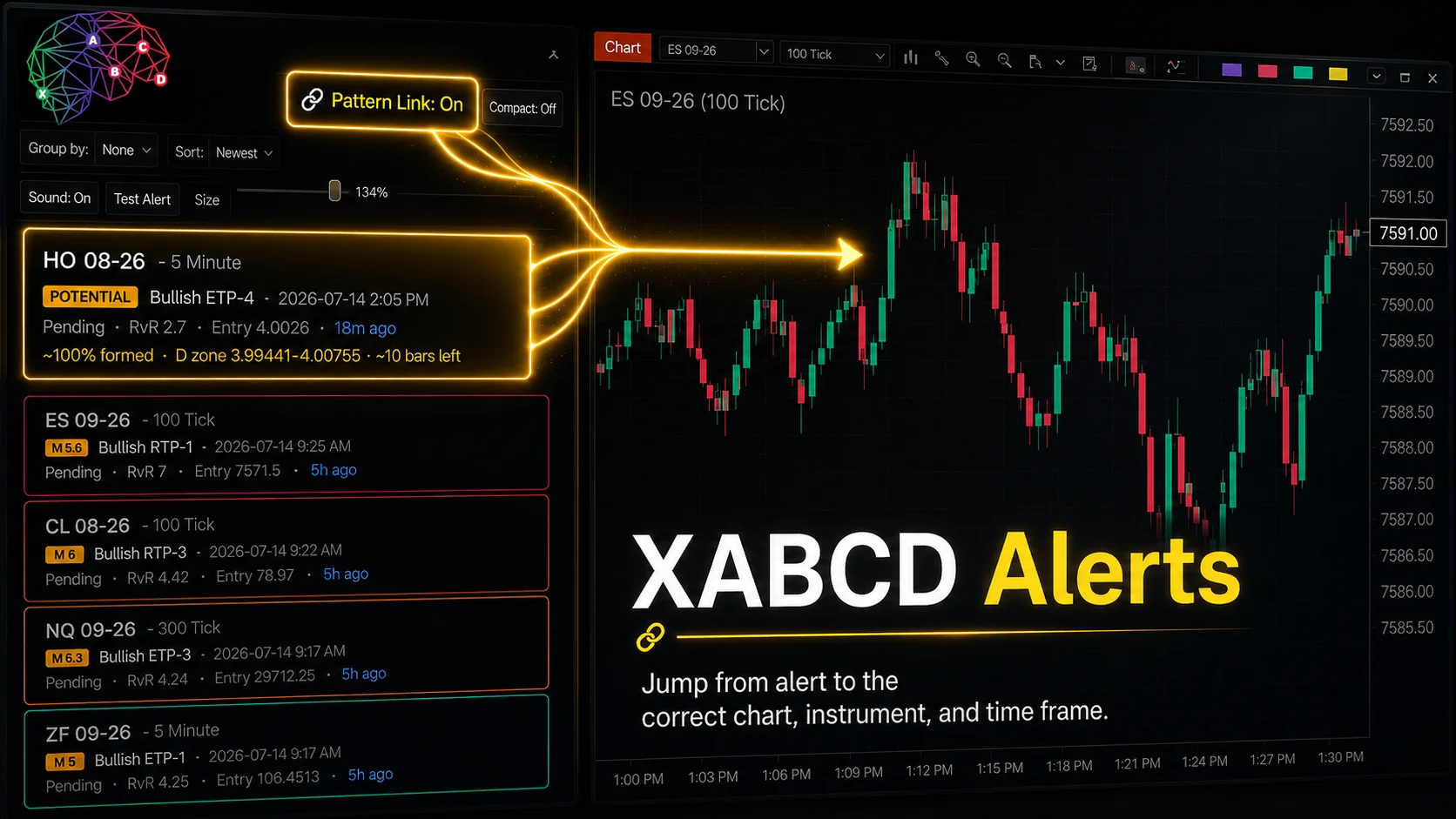
XABCD Pattern Alerts: The Complete Guide for Traders
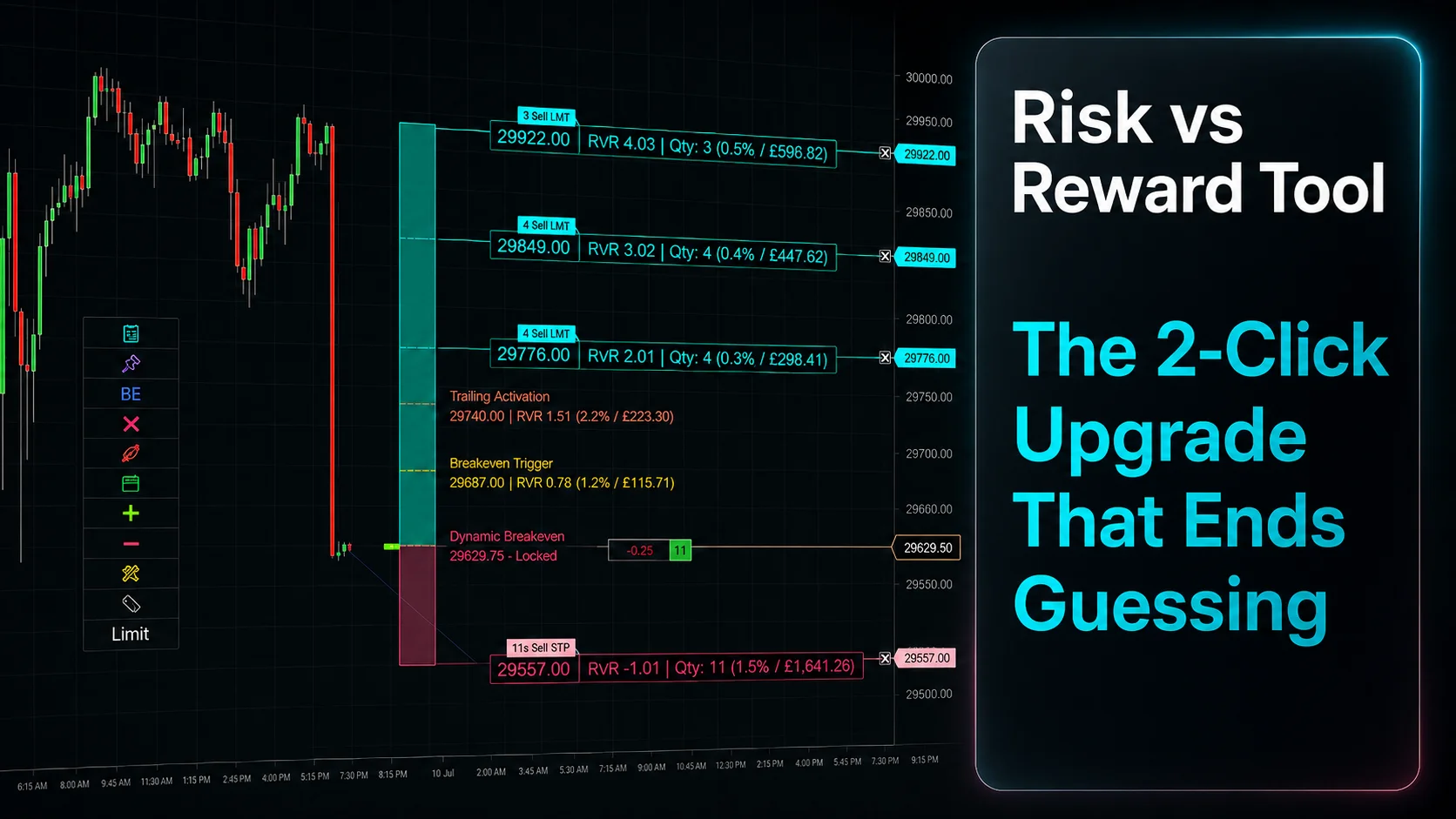
Risk vs Reward Tool: The 2-Click Upgrade That Ends Guessing
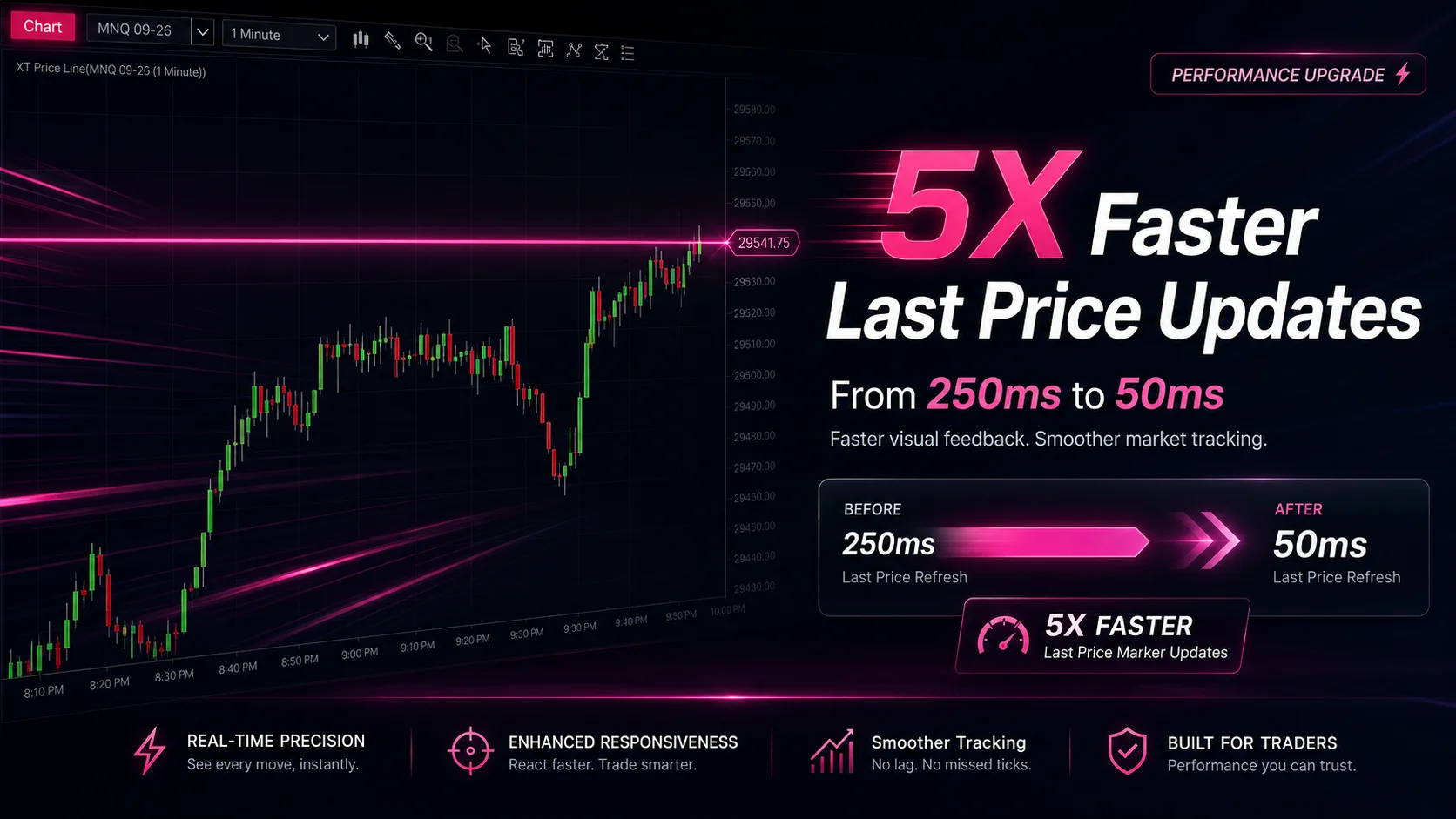
NinjaTrader Faster Last Price Updates on Charts Explained
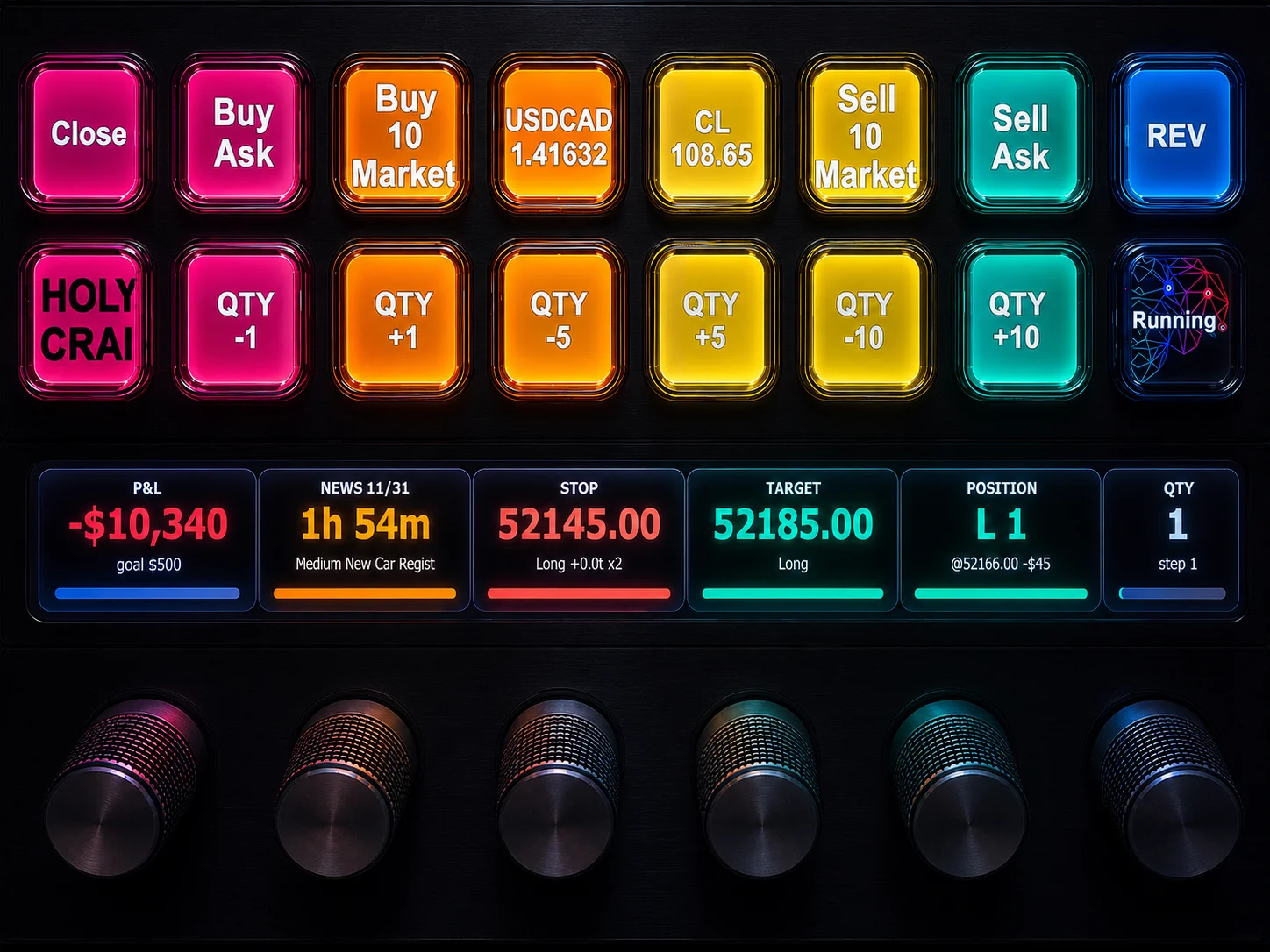
NinjaTrader 8 Hotkeys: Best Shortcuts for Faster Trading
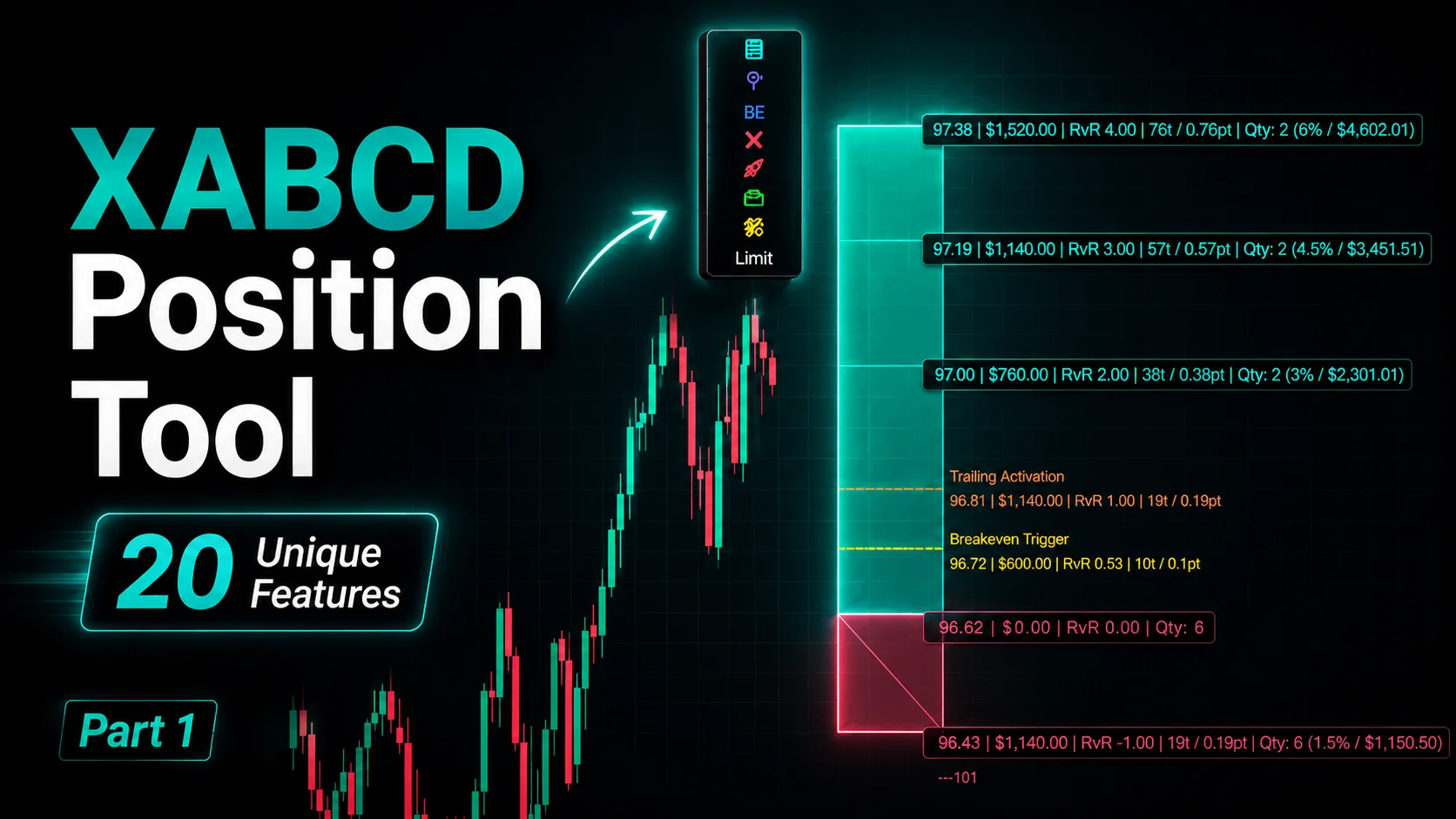
NinjaTrader Position Sizing Tool: 64 Features Stock NT8 Does Not Include