XABCD TRADING

Pattern Recognition Traders – Single Biggest Mistake
Subscribe
to get alerts to our next blog post!
The Biggest Single Mistake Pattern Traders Make
You're Ignoring 50% Of The Data Available
If you're new to what we do here at XABCD Trading, you might be making this pattern recognition problem yourself...
If you're drawing patterns or using software to do it for you ...using price (and not measuring time), then you're ignoring half the data available to you. Patterns will have different shapes if you do not use time. This is why our specific XABCD Pattern Suite will use both time and price measurements to avoid any issues.
We would argue that time would have an equal or almost greater importance to price when using patterns.

The above chart shows 3 patterns ONLY using price. Each pattern "looks" different but all the ratios are the same. The difference is the time it took to form the pattern. This is why using time and price measurements will lead to a more consistent pattern.

Solution: Measure Time For Greater Consistency.
Our XABCD Pattern Suite will calculate the time and when you use the drawing tools or automatic indicator to plot the pattern, the edges of the pattern will appear white if there isn't enough time or blue if there is enough time.
They all look very different and this is why time matters. If price and time are used, you'll get a more consistently shaped pattern.
This pattern has enough time built into it because all the edges of the pattern are blue.
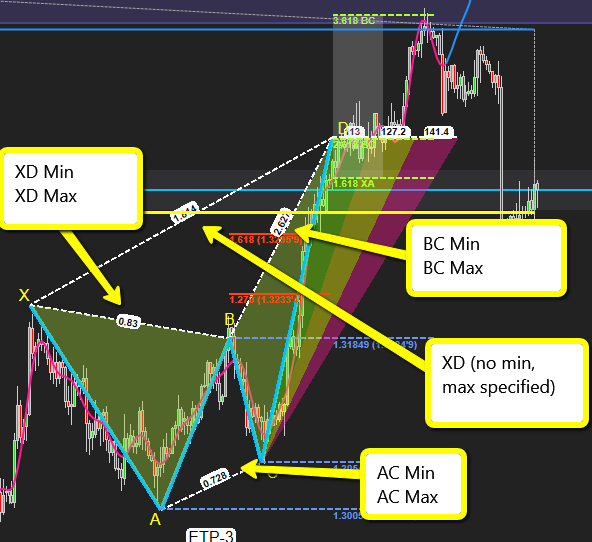
The pattern below shows some legs of the pattern being "white" which tells us that the time measurements do not provide enough distance between each pattern leg.

The rule to remember: All legs should be blue to remain consistent with time and price measurements. This will include 4 price ratios, 4 internal time ratios and 3 external price ratios.
Can't Get Software To Automatically Do this For You?
If you can't automate this using software like ours for your pattern recognition, I would recommend making sure your distances equal a minimal value that you would set. This way, if anything each pattern you're looking at is more consistent with time and will look like a similar shape.
Frequently Asked Questions
What is pattern recognition and why is it important?
Pattern recognition is the process of identifying regularities, trends, or meaningful structures within data, images, sounds, or other inputs. It is a fundamental capability in fields such as artificial intelligence, machine learning, computer vision, and cognitive science. Pattern recognition is important because it enables systems and humans to classify information, make predictions, and automate decision-making across industries like healthcare, finance, and security.
What are the main types of pattern recognition?
The main types of pattern recognition include statistical pattern recognition, structural (or syntactic) pattern recognition, template matching, and neural network-based recognition. Statistical methods rely on probabilistic models to classify data, while structural approaches analyze relationships between features. Neural network-based methods, including deep learning, have become the most widely used approach due to their ability to learn complex patterns from large datasets.
How is pattern recognition used in machine learning?
In machine learning, pattern recognition is used to train algorithms that automatically detect and classify patterns in data without being explicitly programmed. Techniques such as supervised learning, unsupervised learning, and deep learning all rely on recognizing underlying patterns to make predictions or group similar data points. Common applications include image classification, speech recognition, natural language processing, and anomaly detection.
What is the difference between pattern recognition and image recognition?
Pattern recognition is a broad field that involves identifying regularities in any type of data, including text, audio, numerical data, and images. Image recognition is a specific subset of pattern recognition that focuses exclusively on identifying objects, faces, scenes, or features within visual data. In other words, all image recognition is pattern recognition, but pattern recognition extends far beyond images to encompass many other data types.
What are real-world applications of pattern recognition?
Real-world applications of pattern recognition span numerous industries and include facial recognition in security systems, fraud detection in banking, medical diagnosis through imaging analysis, and voice assistants like Siri and Alexa. It is also used in autonomous vehicles for object detection, in recommendation engines for platforms like Netflix and Spotify, and in manufacturing for quality control and defect detection.
New NinjaTrader Articles Delivered First
 (opens in a new tab)
Easy Order Tool
The Strategy


Scanning & Alerting

NinjaTrader Release
XABCD News (Free Version)
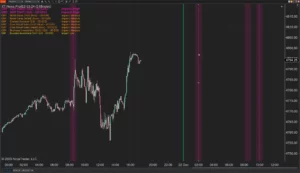
XABCD News (Community Edition) is the best free Indicator for NinjaTrader 8. Don't let news sneak up on you again. Puts economic news events on your charts so you can stay informed and move around positions/stops before the news is released. Works in any market.
XABCD Priceline (Free)
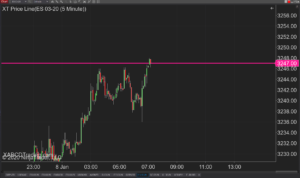
XABCD Price Line tool for NinjaTrader 8 will draw a line at current price and move every time the market changes price. This is useful because it will allow you to easily identify where price is at all times and the exact quoted price.
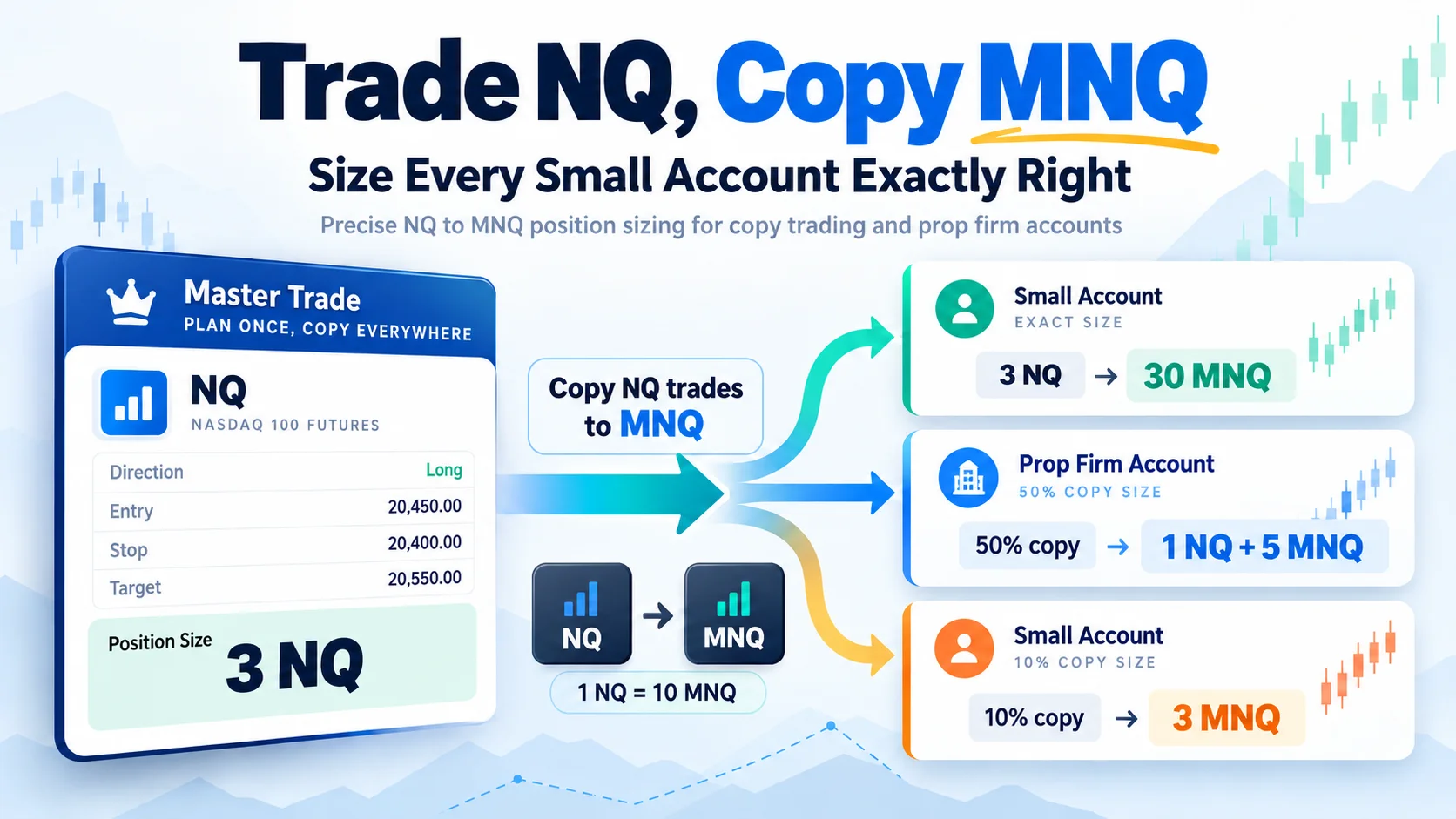
Trade NQ, Copy MNQ: Copy NQ Trades to MNQ in NinjaTrader 8
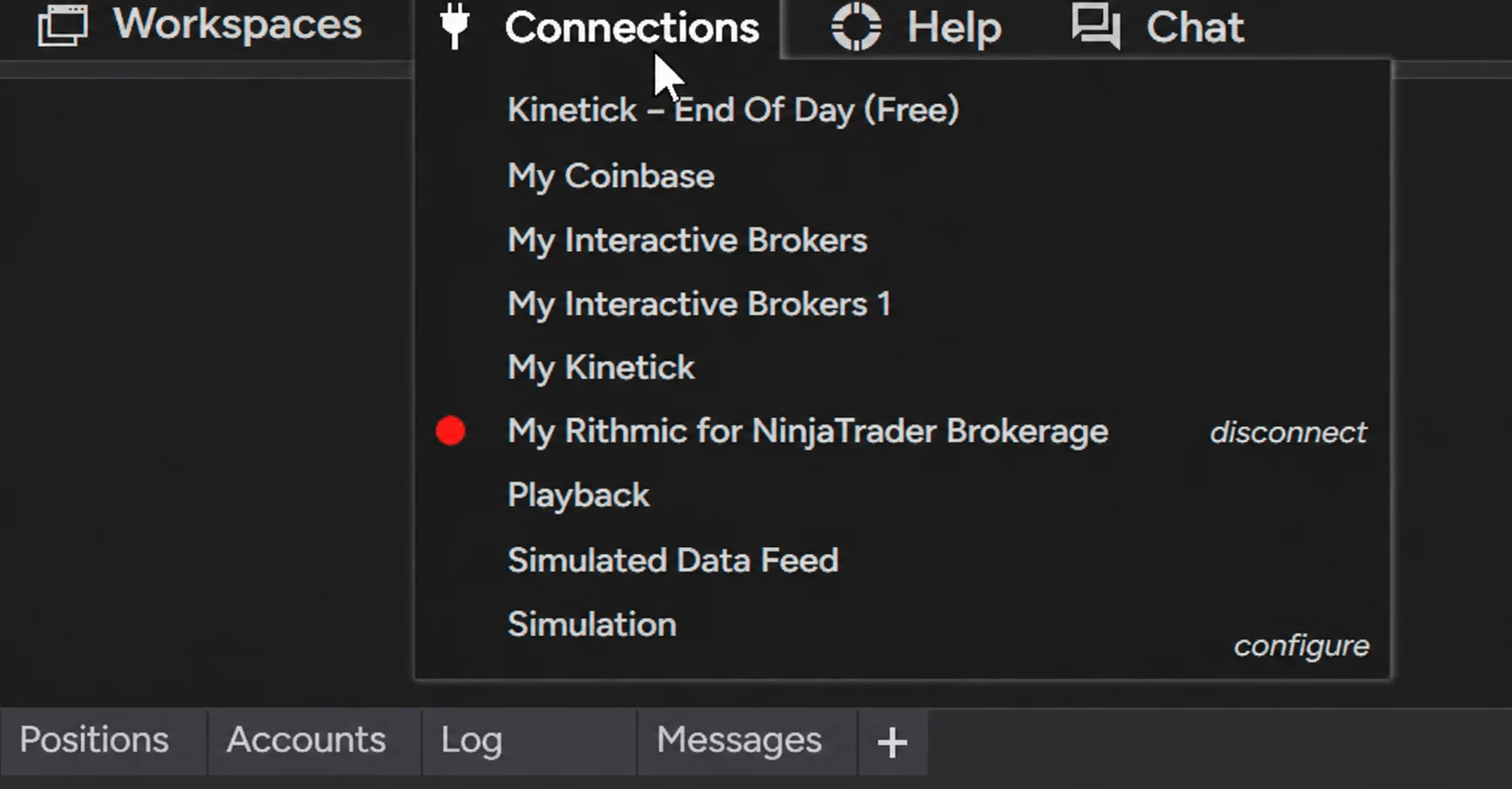
NinjaTrader Data Feed Not Updating? Quick Fixes

NinjaTrader Risk Per Trade: Risk $500 on Every Trade

NinjaTrader 8.1.8 Review: Should You Upgrade or Wait?
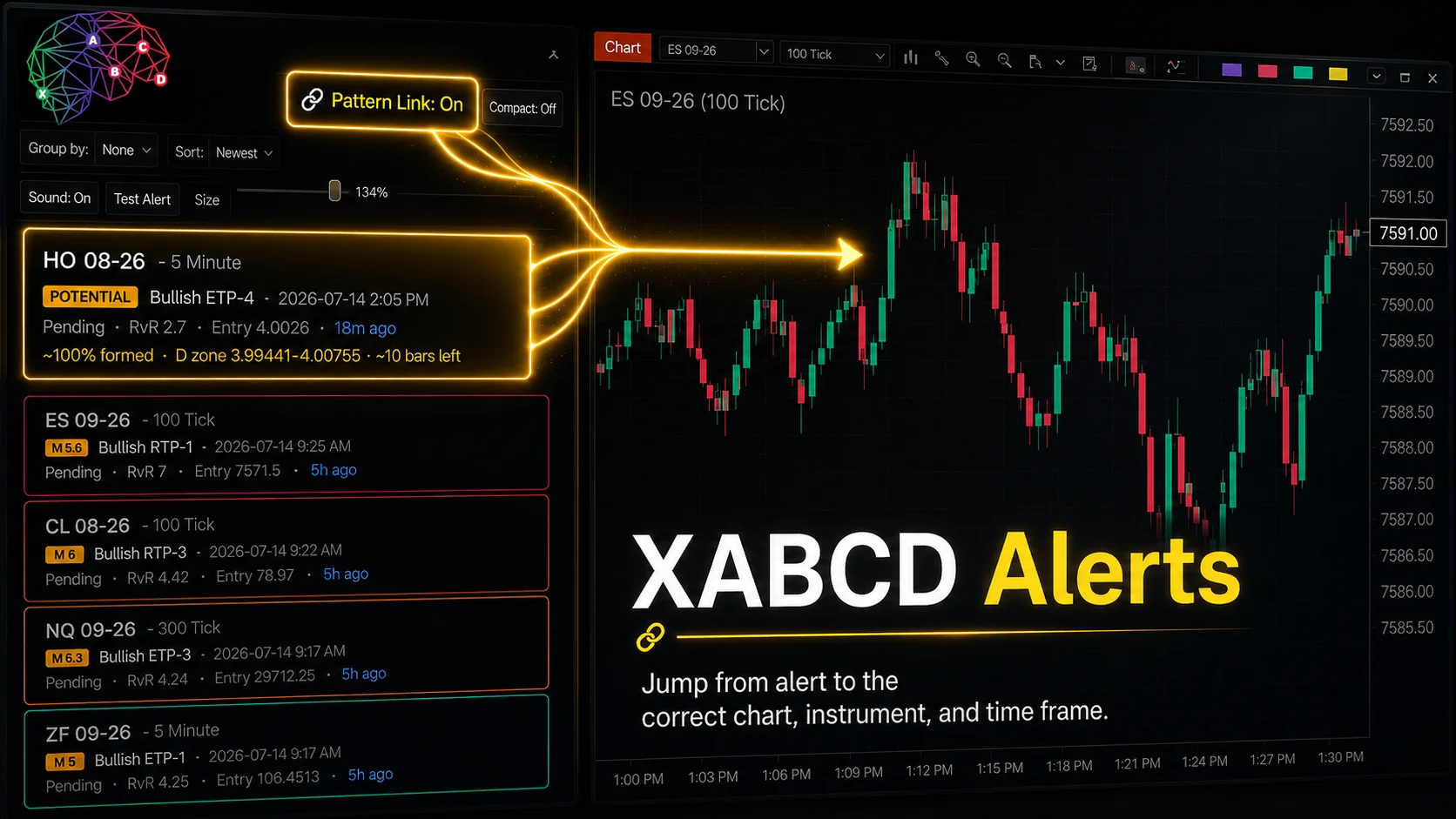
XABCD Pattern Alerts: The Complete Guide for Traders
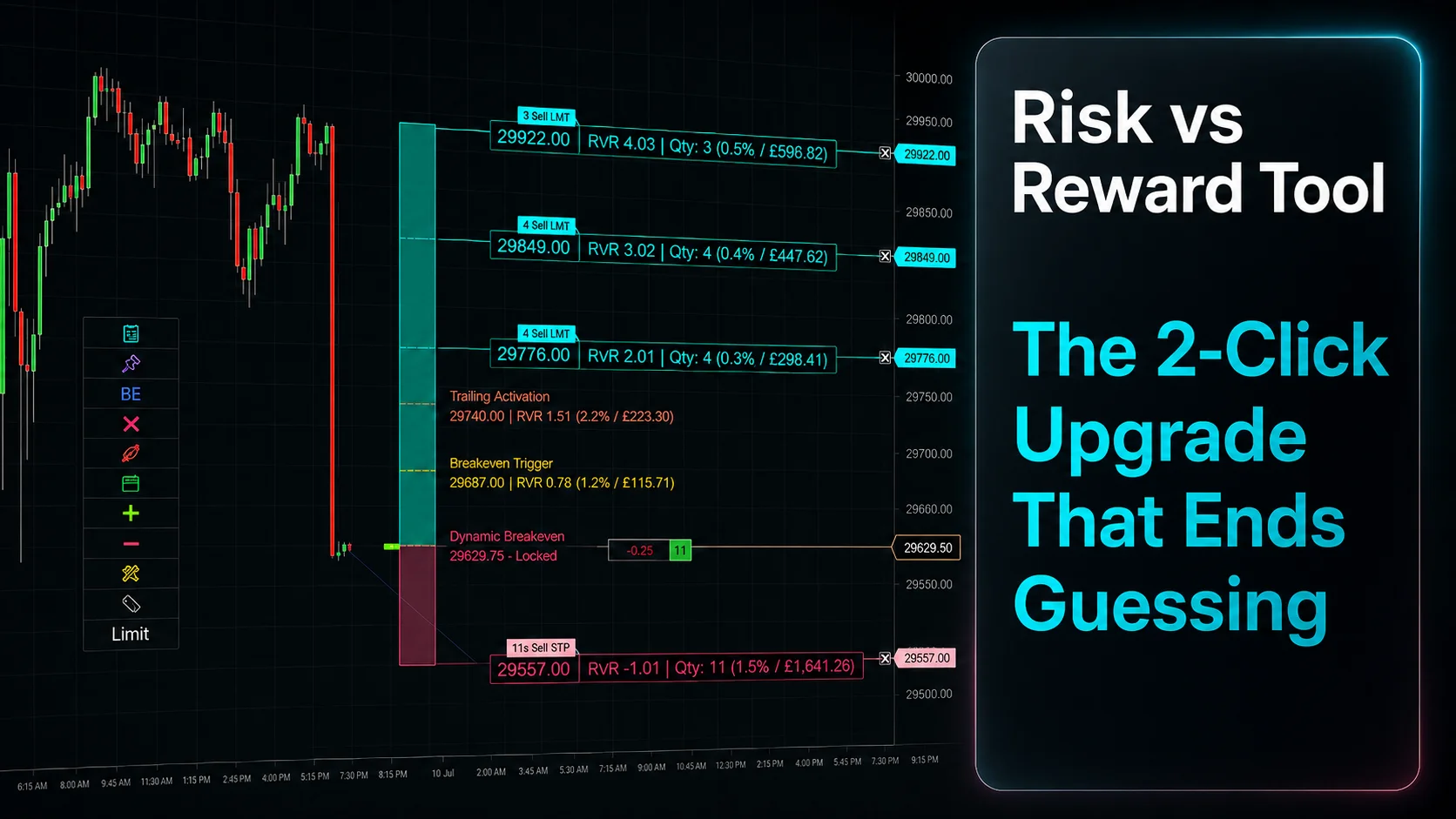
Risk vs Reward Tool: The 2-Click Upgrade That Ends Guessing
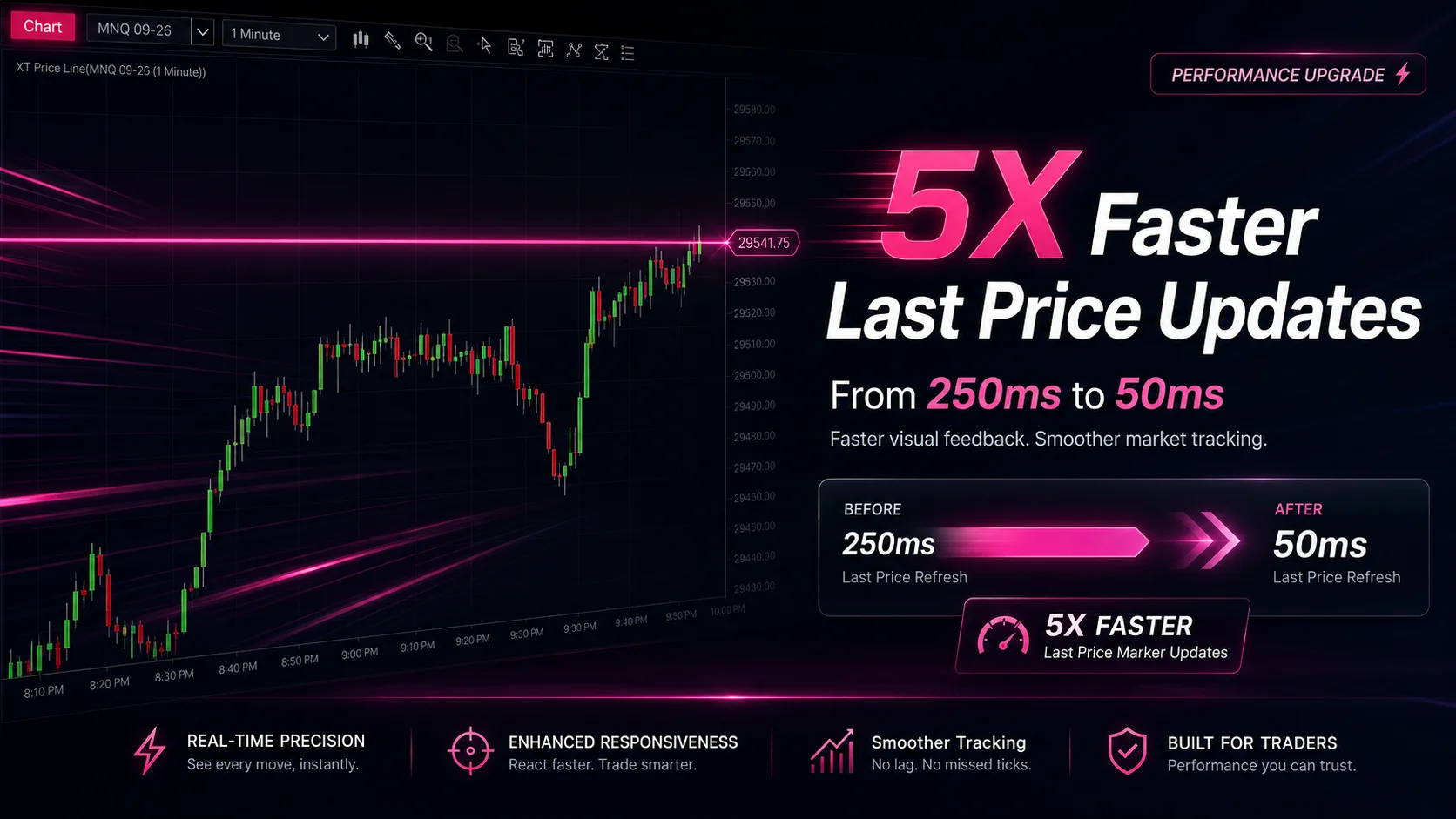
NinjaTrader Faster Last Price Updates on Charts Explained
NinjaTrader 8 Hotkeys: Best Shortcuts for Faster Trading
NinjaTrader Position Sizing Tool: 64 Features Stock NT8 Does Not Include